




Definition & Meaning
A Fabrication Contract Template is a standardized legal document used to outline the terms and conditions agreed upon between a Fabricator and a Client for the provision of fabrication services. This template serves as a blueprint that captures various essential elements such as the scope of work, payment terms, responsibilities, and obligations of both parties. By using a well-drafted template, the involved parties can ensure clarity and minimize misunderstandings throughout the project's duration. It typically encompasses detailed clauses related to timelines, deliverables, quality standards, and contingencies for changes in the project's scope or unforeseen circumstances.
Key Elements of the Fabrication Contract Template
The Fabrication Contract Template includes several crucial components to offer comprehensive coverage of the contractual obligations. Key elements generally comprise:
- Scope of Work: This section defines the precise services or products to be fabricated, including technical specifications, designs, and any special requirements.
- Compensation and Payment Terms: Details the agreed-upon payment structure, including down payments, installment schedules, and any performance-based incentives or penalties.
- Responsibilities of Each Party: Outlines the duties and tasks that both the Fabricator and the Client must undertake, ensuring that both parties are accountable.
- Change Order Procedures: Provides a framework for managing and approving any modifications to the original project specifications or timeline.
- Warranties and Quality Assurance: Specifies any guarantees regarding the quality of work and the remedy available to the client in case of defects or failures.
- Confidentiality Clauses: Protects sensitive information shared between the parties, ensuring that proprietary designs and manufacturing processes remain confidential.
Legal Use of the Fabrication Contract Template
In a U.S. context, the legal use of a Fabrication Contract Template ensures that the agreement adheres to state and federal laws governing contractual relationships. It incorporates provisions for dispute resolution, such as arbitration or mediation, to address potential conflicts. The template functions as an enforceable contract, offering legal protection in instances where one party fails to meet its obligations. Importantly, it includes governing law clauses stipulating which state's laws will be applied to interpret the agreement, offering clarity in multinational or interstate agreements.
Steps to Complete the Fabrication Contract Template
Completing a Fabrication Contract Template involves several procedural steps to ensure that the document is accurate and legally binding:
- Review the Template: Evaluate the template to understand its structure and the specific sections that need customization based on the project requirements.
- Customize the Scope of Work: Tailor the scope of work to reflect the project's specific services, including technical specifics and design requirements.
- Define Compensation Details: Clearly state the payment terms, due dates, and any conditions or penalties related to financial transactions.
- Insert Responsibilities: Specify the roles and duties of both parties, ensuring a comprehensive understanding of expected deliverables.
- Add Special Provisions: Include any project-specific clauses such as confidentiality, intellectual property rights, and change management procedures.
- Review & Verify: Conduct a thorough review with legal counsel to ensure all sections are accurately completed and the contract adheres to relevant legal standards.
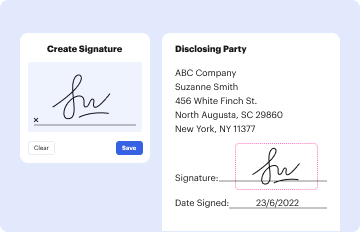
- Sign & Execute: Once both parties agree on the terms, sign the document to formalize the contract.
Examples of Using the Fabrication Contract Template
This template is widely applicable in various scenarios involving manufacturing and production services. For instance, a steel fabrication company might use this contract when engaging with an architecture firm requiring custom components for building construction. Another example involves a small business contracting a local metalwork shop to produce specialty fixtures for retail use. In each case, the template helps define expectations and avoids potential conflicts by clearly documenting the agreed-upon terms and responsibilities.
Who Typically Uses the Fabrication Contract Template
Typically, both small and large businesses engaged in manufacturing, construction, or production fields utilize the Fabrication Contract Template. This includes fabricators who supply parts or products to other businesses and clients from various industries such as automotive, aerospace, or consumer goods. Architects and developers also commonly use this template when sourcing custom-made materials for their projects.


Important Terms Related to Fabrication Contract Template
Understanding significant terms related to a Fabrication Contract Template is essential for effective use and execution:
- Indemnification: A clause where one party agrees to protect the other from legal fault for damages or injuries arising from the project.
- Force Majeure: Provisions that relieve the parties from fulfilling contract obligations due to uncontrollable events like natural disasters.
- Retention: This specifies an amount withheld from payment until successful project completion to ensure performance standards are met.
- Liquidated Damages: Predetermined compensation for loss suffered if the contract terms are breached, often related to delivery delays.
Business Types That Benefit Most from Fabrication Contract Template
Businesses involved in manufacturing, engineering, and custom production are among the primary beneficiaries of a Fabrication Contract Template. Companies in sectors like shipbuilding, construction, automotive part suppliers, and industrial fabrication services find this template particularly advantageous for setting clear expectations and legal protections between contracting parties.