




Definition and Purpose of the Prototype Development Agreement Template
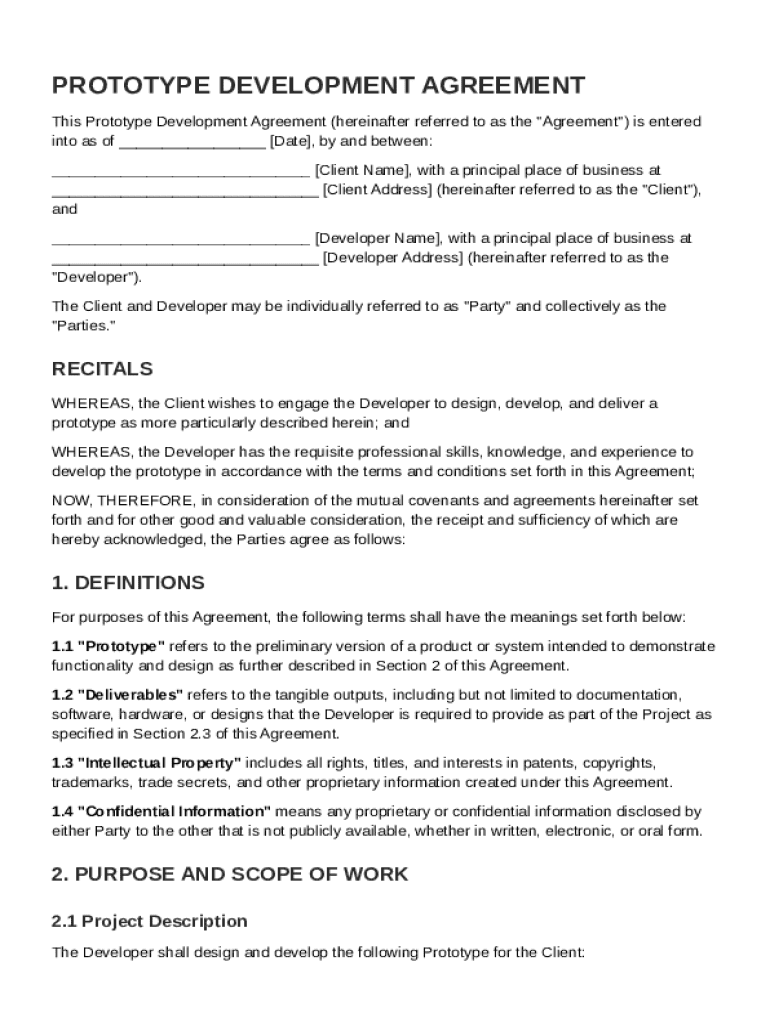
The Prototype Development Agreement Template serves as a formal document detailing the collaborative relationship between a client and a developer. It encompasses the entire scope of the project, including the objectives, responsibilities, and deliverables associated with designing and creating a prototype. The agreement aims to ensure clarity and mutual understanding between the parties involved, reducing potential misunderstandings and disputes. It typically includes sections that define key terms, establish roles, and delineate expectations regarding intellectual property rights and confidentiality.
Key Elements of the Prototype Development Agreement Template
-
Project Scope and Objectives: Outlines the specific goals and deliverables expected from the prototype development process, ensuring both parties are aligned from the outset.
-
Responsibilities of Each Party: Details the roles and responsibilities of both the client and the developer, clarifying who is accountable for specific tasks and stages in the development cycle.
-
Compensation Details: Specifies payment terms, including the agreed pricing model, any milestone payments, and how expenses are reimbursed.
-
Ownership of Intellectual Property: Addresses who retains intellectual property rights over the prototype, ensuring that ownership is clearly defined and agreed upon.
-
Confidentiality Obligations: Includes clauses that protect sensitive information shared during the development process, safeguarding the interests of both parties.
-
Warranties and Indemnification Clauses: Provides assurances regarding the quality and functionality of the prototype, while also outlining liability and protection against potential legal claims.
Steps to Complete the Prototype Development Agreement Template
-
Initial Review and Consultation: Both parties should review the template and consult with legal counsel to ensure the agreement reflects their specific requirements.
-
Define Project Scope: Collaboratively establish the project's scope, deliverables, and timeline.
-
Assign Responsibilities: Clearly outline the tasks and responsibilities of each party, ensuring alignment on resource allocation and deadlines.
-
Negotiate Compensation Terms: Agree on the payment structure, including any advance payments, installments, and reimbursements.
-
Address Legal Aspects: Finalize terms related to intellectual property, confidentiality, warranties, and indemnification.
-
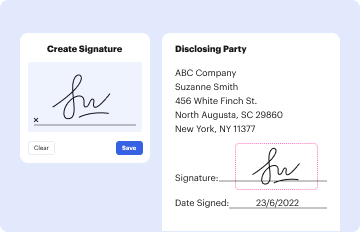
Sign the Agreement: Ensure both parties sign the document to formalize the agreement, potentially using DocHub's electronic signature feature for convenience and compliance.
Important Terms Related to Prototype Development Agreements
-
Prototype: A preliminary model of a product used to evaluate design, functionality, and performance.
-
Intellectual Property (IP): Creations of the mind such as inventions, literary and artistic works, designs, symbols, and names used in commerce.
-
Confidentiality: The obligation to keep sensitive information shared between parties private and secure.
-
Indemnification: A contractual obligation to compensate for loss or damage incurred by another party.
Legal Use of the Prototype Development Agreement Template
In the United States, the legal framework surrounding prototype development agreements emphasizes the protection of intellectual property and confidential information. The agreement legally binds both the client and the developer to the terms outlined, providing a basis for resolving disputes should they arise. Compliance with both federal and state laws is essential, and parties often include clauses that address jurisdiction and dispute resolution. Utilizing DocHub's secure document management features ensures that the agreement is stored and shared with legal protection in mind.
Who Typically Uses the Prototype Development Agreement Template
-
Entrepreneurs and Startups: Often engage developers to create prototypes for innovative products, requiring clear agreements to protect their business ideas.
-
Established Corporations: Use such agreements when collaborating with external developers or seeking to innovate new product lines.
-
Freelance Developers and Design Firms: Frequently enter into prototype development agreements with clients to formalize expectations and deliverables.

Examples of Using the Prototype Development Agreement Template
-
A Startup Developing a New App: An agreement is used to outline the app's desired features, development timeline, and ownership rights between the startup and a contracted developer.
-
A Manufacturer Seeking Product Innovation: Engages a design firm to build a prototype of a new appliance, taking advantage of the agreement to define patent rights and responsibilities.
-
Freelancer Creating a Prototype for a Client: Uses the template to establish payment terms, project timelines, and safeguard intellectual property aspects.
Business Types That Benefit Most from Using the Template
-
Technology Firms: Developing software or hardware prototypes require comprehensive agreements to protect innovations.
-
Design Agencies: Creating prototypes for branding or product design make use of these agreements to define scope and responsibilities clearly.
-
Engineering Consultants: Engage in prototype development to test new engineering solutions, benefiting from structured contracts that manage expectations and legal obligations.
By understanding the structure and utility of the Prototype Development Agreement Template, users can ensure their projects are legally sound and strategically managed, paving the way for successful collaborations and innovative outcomes.