




Definition & Meaning
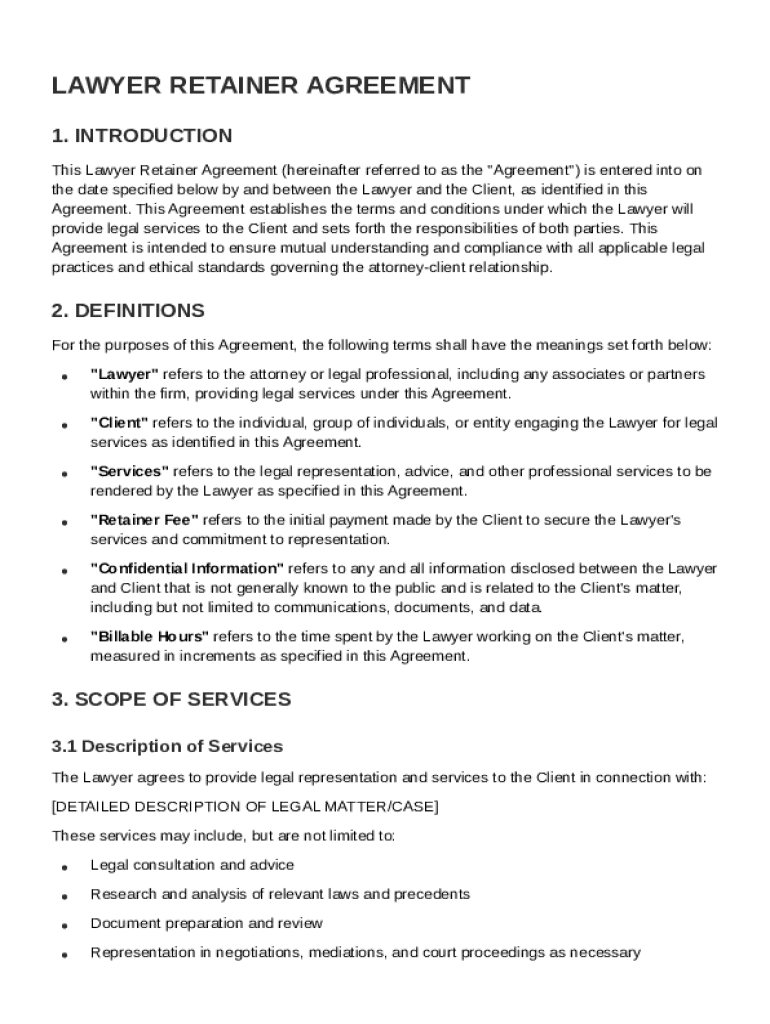
A Lawyer Retainer Agreement Template is a legal document that outlines the relationship between a lawyer and a client, specifically regarding the provision of legal services. It establishes the framework for the terms under which the lawyer will serve the client, including fees, scope of work, and responsibilities. The agreement ensures clarity and mutual understanding, setting a standard for service expectations and legal compliance. This template is often used when hiring legal representation for ongoing or specific legal matters, providing a structured approach to legal service agreements.
Key Elements of the Lawyer Retainer Agreement Template
The Lawyer Retainer Agreement Template includes several critical elements to ensure a comprehensive understanding between the lawyer and the client:
- Scope of Services: Clearly defines what legal tasks and areas the lawyer will handle.
- Retainer Fee Structure: Details the pricing model, including advance payments and hourly rates.
- Payment Terms: Specifies when and how payments should be made, including acceptable methods and intervals.
- Confidentiality: Outlines the lawyer’s duty to keep client information protected and private.
- Responsibilities: Defines the duties of both the lawyer and the client throughout the engagement.
- Termination Clause: Provides conditions under which the agreement can be ended by either party.
- Dispute Resolution: Describes the process for resolving any disagreements that may arise.
How to Use the Lawyer Retainer Agreement Template
To utilize the Lawyer Retainer Agreement Template effectively, consider the following steps:
- Initial Review: Thoroughly read through the template to understand its provisions and whether they match the legal services needed.
- Customization: Modify the template to tailor it to the specific needs and circumstances of the legal relationship, including fee adjustments and service specifics.
- Consultation: Discuss the terms with the lawyer to ensure mutual agreement and prevent any misunderstandings.
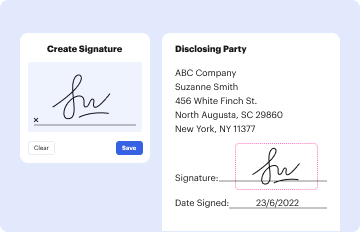
- Execution: Both parties should sign the document to solidify the agreement, making all terms binding.
- Review Periodically: Regularly revisit the agreement to ensure compliance and determine if modifications are necessary.
Who Typically Uses the Lawyer Retainer Agreement Template
This template is predominantly used by:
- Individual Clients: Those requiring legal services for personal matters such as family law, estate planning, or civil disputes.
- Business Entities: Corporations and other business structures seeking legal counsel for corporate governance, compliance, or litigation.
- Non-Profit Organizations: Groups in need of legal advice on charitable activities, compliance, and regulatory issues.
- Frequent Litigants: Entities or individuals regularly involved in legal proceedings that require ongoing legal assistance.


Steps to Complete the Lawyer Retainer Agreement Template
Completing the Lawyer Retainer Agreement Template involves several critical steps to ensure accuracy and effectiveness:
- Client and Lawyer Information: Begin by inserting the full legal names, contact details, and addresses of both parties.
- Detailed Scope of Services: Clearly document the specific legal tasks the lawyer will be handling.
- Fee Agreement: Outline the payment structure, including initial retainers, hourly rates, and any additional costs.
- Responsibilities and Obligations: Define what each party is expected to do throughout the period of the agreement.
- Confidentiality Provisions: Ensure there are clear terms regarding the handling and protection of sensitive information.
- Signature and Date: Conclude the document with signatures and dates from both the lawyer and the client, which formalizes the agreement.
Important Terms Related to Lawyer Retainer Agreement Template
Understanding the terminology associated with the Lawyer Retainer Agreement Template is crucial:
- Retainer Fee: An upfront cost paid by the client to the lawyer as a part of securing their services. This fee is often non-refundable.
- Billable Hours: Hours that a lawyer spends working on a client's case, which are typically charged at a predetermined hourly rate.
- Conflict of Interest: A situation where the lawyer's ability to act in the client's best interest is compromised.
- Amendments: Changes or additions to the original agreement that both parties must consent to and document.
Legal Use of the Lawyer Retainer Agreement Template
The Lawyer Retainer Agreement Template serves several critical legal functions:
- Defines Professional Role: Establishes the lawyer’s duties and responsibilities, preventing potential disputes about service scope.
- Ensures Compliance: Helps in maintaining legal and ethical standards for representation, in line with state bariatric regulations.
- Protects Confidentiality: Provides a clear structure for safeguarding sensitive client information.
- Facilitates Dispute Resolution: Offers predetermined processes for handling disagreements or breaches in the agreement.
Examples of Using the Lawyer Retainer Agreement Template
Different scenarios illustrate how the Lawyer Retainer Agreement Template is utilized:
- Family Law: A client hires a family lawyer to handle divorce proceedings, agreeing to a retainer structure for ongoing representation.
- Corporate Retainer: A business enters into an agreement with a law firm for regular legal consultations, covering contract reviews and compliance checks.
- Criminal Defense: An individual facing criminal charges arranges for a defense lawyer, specifying the terms of engagement and payment in a retainer agreement.
State-Specific Rules for the Lawyer Retainer Agreement Template
State-specific regulations can impact the structure and requirements of retainer agreements:
- California: Requires detailed disclosure of the lawyer's fees and billing practices within the agreement.
- New York: Mandates written agreements for services expected to exceed a specific monetary threshold, ensuring client awareness of costs.
- Texas: Enforces strict rules on non-refundable retainers, ensuring clarity on what constitutes earned fees.
Understanding these nuances is crucial to creating an enforceable and effective retainer agreement tailored to regional legal requirements.