






Definition and Meaning
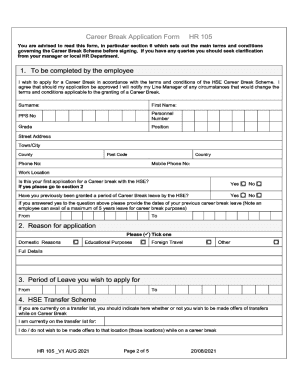
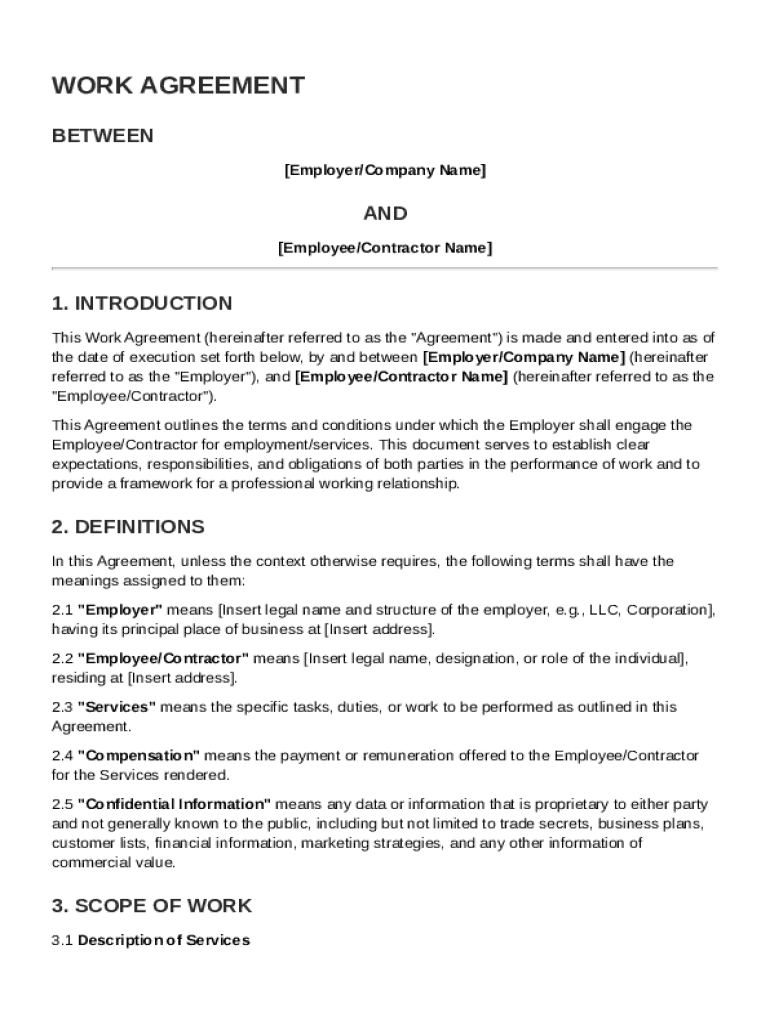
A work agreement template is a formal document that outlines the terms and conditions of employment or service between an employer and an employee or contractor. This template serves as a foundational guide to establish clear expectations, responsibilities, and rights for both parties. It usually includes key sections such as definitions, scope of work, compensation, term and termination, confidentiality, ownership of work product, dispute resolution, governing law, and various other provisions. By utilizing a well-structured work agreement template, parties can ensure the alignment of their professional relationship, reducing the likelihood of misunderstandings or disputes.
Key Elements of the Work Agreement Template
A well-crafted work agreement template should contain essential elements to cover all aspects of the employment or service relationship effectively. Some of these key elements include:
- Scope of Work: Clearly defines the roles, responsibilities, and expectations for the employee or contractor, including specific duties and obligations.
- Compensation Details: Outlines the payment structure, including salary, bonuses, commissions, or any other forms of remuneration.
- Term and Termination: Specifies the duration of the agreement and conditions under which it can be terminated by either party.
- Confidentiality Agreement: Protects sensitive business information by restricting the disclosure of proprietary knowledge to external parties.
- Ownership of Work Product: Establishes the ownership rights of work products, creations, or inventions developed during the employment or service term.
Important Terms Related to Work Agreement Template
A solid understanding of the important terms related to work agreement templates can help ensure clarity and avoid potential legal issues. Key terms often found in these agreements include:
- Non-Compete Clause: Prevents the employee from engaging in competitive activities within a certain period after termination.
- Arbitration Clause: Stipulates that any disputes will be resolved through arbitration rather than court litigation.
- Intellectual Property Rights: Defines the rights related to creations or inventions produced during the employment period.
- Indemnity Clause: Provides protection from loss or damage liability for either party under specified conditions.
- Force Majeure: Considers certain unforeseeable events that might prevent contract fulfillment, such as natural disasters or other crises.
How to Use the Work Agreement Template
Using a work agreement template effectively involves several steps:
- Selection of Template: Choose a template that suits the specific nature of the job roles or services.
- Customization: Tailor the template by adding specific details such as names, roles, and dates relevant to the agreement.
- Review: Carefully review the terms and conditions outlined in the template with a legal professional to ensure compliance with applicable laws and regulations.
- Agreement: Both parties should formally agree to the terms by signing the document.
- Execution: Once signed, the agreement should be executed according to its terms, and a copy retained by both parties for future reference.
Steps to Complete the Work Agreement Template
Completing a work agreement template involves several detailed steps to ensure its accuracy and validity:
- Gather Necessary Information: Collect all essential information such as full names, addresses, and employment details of both parties involved.
- Complete Template Sections: Fill out the different sections, including job title, responsibilities, and specific terms related to compensation and benefits.
- Legal Compliance: Ensure all clauses comply with federal and state employment laws to avoid any legal repercussions.
- Review and Edit: Review the completed template for any spelling or grammatical errors and ensure clarity of terms.
- Obtain Legal Advice: If needed, seek legal counsel to review the agreement for any potential loopholes or areas of concern.
- Sign and Date: Once everything is in place, both parties should sign and date the document, making it officially binding.
Legal Use of the Work Agreement Template
Having a legally binding work agreement template is crucial for the enforcement of its terms. Here are some considerations for its legal use:
- Compliance with Laws: The template must adhere to applicable federal, state, and local employment or contract laws.
- Inclusion of Mandatory Clauses: Certain clauses might be legally required based on the nature and location of the employment.
- Signatures: For the document to be enforceable, it must be signed by both parties, indicating their agreement.
- Modifications: Any changes made post-signing should be documented and agreed upon by both parties, typically requiring new signatures.
- Record Keeping: The signed agreement should be stored securely, either digitally or physically, as a reference in case of future disputes.
Who Typically Uses the Work Agreement Template
Work agreement templates cater to a variety of users, each with specific needs:
- Employers: Large and small businesses use these templates to formalize the hiring of employees or contractors.
- Contractors and Freelancers: Utilize such templates to clarify the scope of work and payment terms with companies.
- Human Resources Departments: Often responsible for drafting, reviewing, and managing these agreements within organizations.
- Legal Consultants: May assist in crafting or reviewing these templates to ensure legal compliance and adequacy.
- Employees: Understand the terms of their employment through these agreements, gaining insight into their roles and responsibilities.


Business Types That Benefit Most from Work Agreement Template
Various business types can significantly benefit from implementing a structured work agreement template:
- Startups: Require clear documentation of work roles and compensation structures as they rapidly expand.
- Consulting Firms: Use these templates to outline expectations and deliverables between them and clients.
- Technology Companies: Protect intellectual property with stringent confidentiality and ownership clauses.
- Construction Companies: Clarify project roles and responsibilities through detailed scope of work sections.
- Non-Profit Organizations: Establish volunteer and employee expectations, including ethical and operational guidelines.