





Definition & Meaning
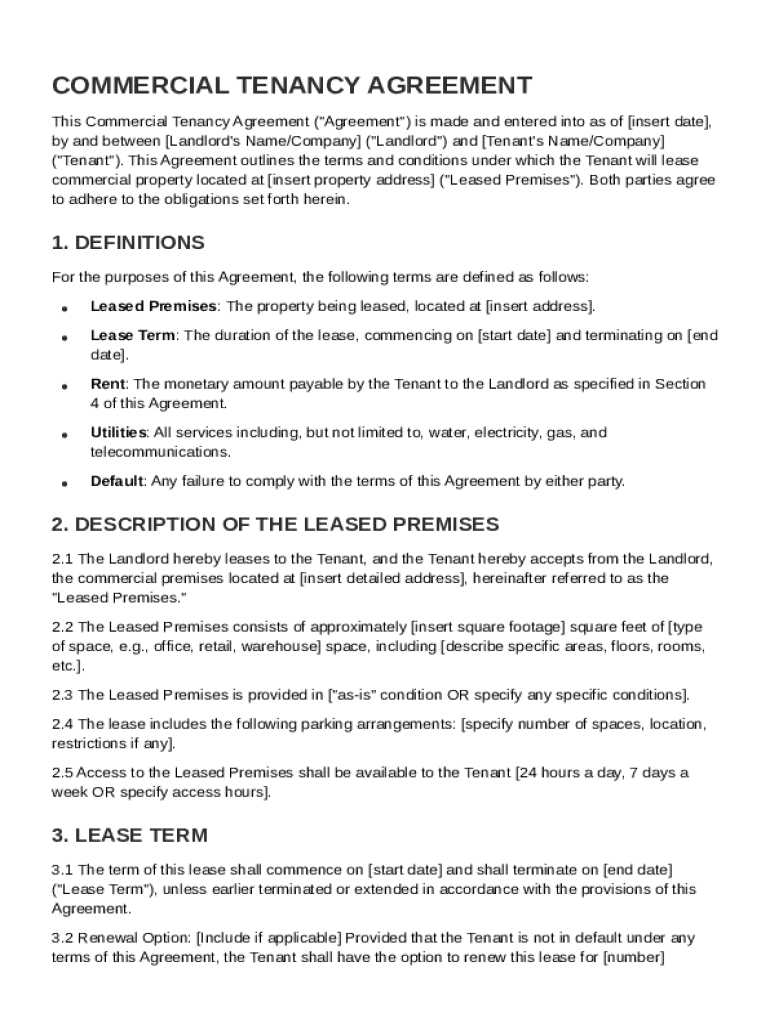
A Commercial Tenancy Agreement Template is a legal document used to outline the terms and conditions under which a commercial property is rented between a landlord and a tenant. It serves as a standard framework for detailing essential aspects such as the length of the lease, rent amounts, and the responsibilities of both parties involved. The agreement provides clarity and legal protection, ensuring that both the landlord's and tenant's rights and obligations are clearly established. By using a template, property owners and tenants can streamline the process of drafting agreements by following a pre-defined structure that can be customized to specific terms.
Key Elements of the Commercial Tenancy Agreement Template
The Commercial Tenancy Agreement Template typically includes several critical components essential for a comprehensive lease agreement:
- Lease Term Details: Specifies the duration of the lease, including the start date and end date.
- Rent Obligations: Clearly outlines the rent amount, due dates, and methods of payment.
- Security Deposit Requirements: Details the amount required, conditions for deductions, and timelines for returning the deposit.
- Permitted Uses: Describes the allowable activities within the rented premises to ensure the property is used appropriately.
- Maintenance Responsibilities: Allocates duties for property repairs and maintenance between the landlord and tenant.
- Insurance Requirements: Sets forth the necessary insurance policies that tenants must hold during the lease term.
- Default Remedies: Outlines the procedures and consequences in case of lease violations by either party.
- Miscellaneous Provisions: Includes any additional clauses pertinent to the agreement, such as renewal options or early termination terms.
Each element is designed to enhance understanding and minimize disputes, providing a well-rounded legal foundation for commercial property leases.
How to Use the Commercial Tenancy Agreement Template
Using the Commercial Tenancy Agreement Template involves several steps to ensure its proper completion and effectiveness:
- Review the Template: Begin by carefully examining the template to understand the framework and identify sections needing customization.
- Customize the Agreement: Fill in specific details that pertain to the lease, such as tenant and landlord names, property address, and lease duration.
- Edit and Add Specific Clauses: Tailor the template to include any specific conditions that apply to your agreement, making necessary revisions for clarity and precision.
- Consult Legal Advice: Before finalizing, seek legal counsel to ensure compliance with state and local laws.
- Both Parties Review: Have both the landlord and tenant thoroughly review the completed document to ensure all terms are agreeable.
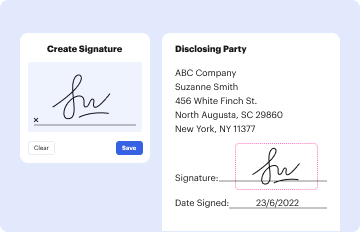
- Sign the Agreement: Once all parties are satisfied, signatures can be affixed to bind the agreement legally.
- Distribute Copies: Provide each party with a copy of the signed agreement for reference and record-keeping.
Important Terms Related to Commercial Tenancy Agreement Template
Understanding the technical terminology within the Commercial Tenancy Agreement Template is crucial:
- Lessee/Lessor: The tenant (lessee) and landlord (lessor) in the agreement context.
- Force Majeure: Clauses that address unforeseeable events preventing contract fulfillment.
- Sublease: An arrangement wherein the tenant rents the leased property to another party.
- Indemnity: Specifies conditions under which one party agrees to compensate the other for certain losses.
- Escalation Clause: Provisions for rent increases over the lease term, often tied to market changes or inflation.
These terms ensure clarity and operational efficiency within the agreement?
State-Specific Rules for the Commercial Tenancy Agreement Template
Commercial tenancy laws can differ notably between states, affecting lease terms and execution:
- California: Requires landlords to adhere to statewide rent control laws in some cases, impacting permissible rent increases.
- Texas: Generally allows greater flexibility in lease terms but mandates specific disclosures.
- New York: Features detailed commercial leasing regulations requiring compliance with local property ordinances.
- Florida: Has unique eviction procedures that landlords must conform to as part of the agreement.
- Illinois: Often necessitates specific physical accommodations within leased spaces as per state accessibility requirements.
Understanding these variations can aid landlords and tenants in navigating regional legal landscapes efficiently.
Steps to Complete the Commercial Tenancy Agreement Template
The completion of the Commercial Tenancy Agreement Template is a methodical process, requiring attention to detail:
- Input Basic Information: Enter the full names and contact details of the landlord and tenant.
- Describe the Property: Specify the location and description of the commercial space being leased.
- Set Lease Terms: Establish the lease's start and end dates, alongside renewal provisions.
- Detail Financial Requirements: Clarify rent amounts, payment terms, and any related financial obligations.
- Outline Maintenance and Usage Terms: Assign maintenance responsibilities and permitted uses of the property.
- Include Legal Provisions: Incorporate clauses that address dispute resolution, indemnity, and legal compliance.
- Finalize with Signatures: Ensure both parties sign and date the agreement to make it legally enforceable.
Ensuring each step is accurately followed guarantees a well-drafted final document.
Legal Use of the Commercial Tenancy Agreement Template
The legal utilization of the Commercial Tenancy Agreement Template is foundational to enforceability:
- Ensure Legal Compliance: The agreement must conform to federal, state, and local laws applicable to commercial leases.
- Use Approved Language: Employ precise legal language to prevent ambiguities within the contract.
- Document Modifications: Record any amendments made post-signing, with both parties' consent.
- Notarize if Required: In some jurisdictions, notarization of a commercial lease might be necessary.
Proper legal use ensures the agreement protects the interests of both parties.
Why Should You Use a Commercial Tenancy Agreement Template?
Adopting a Commercial Tenancy Agreement Template offers significant advantages:
- Efficiency: Reduces the time spent drafting a lease from scratch by providing a structured starting point.
- Consistency: Ensures all necessary elements are included, avoiding omissions that could lead to disputes.
- Cost-Effective: Minimizes legal costs associated with developing a lease by offering a comprehensive foundation.
- Flexibility: Allows customization to suit specific tenant and landlord needs while adhering to legal standards.
These benefits make the Commercial Tenancy Agreement Template a valuable tool in property management and leasing.
Examples of Using the Commercial Tenancy Agreement Template
In practice, the Commercial Tenancy Agreement Template can be applied in numerous scenarios:
- Retail Spaces: Leasing premises in malls or shopping centers often involves intricate clauses around usage, foot traffic, and store hours.
- Office Buildings: These agreements may contain specific terms about shared facilities, parking allocations, and maintenance services.
- Industrial Properties: Terms might include storage regulations, noise levels, and health and safety requirements.
- Restaurants: Additional clauses for compliance with health and local food regulations are typically included.
These real-world applications highlight the template's versatility across various commercial property types.