




Definition and Meaning
A Telework Agreement Template is a formal document used to outline the policies, responsibilities, and expectations for employees who work from a location other than the traditional office setting. It is designed to clarify what telework entails, such as work hours, communication protocols, and the use of company equipment. This agreement ensures both employers and employees are aligned on the terms and conditions of the teleworking arrangement, fostering an environment of trust and accountability. By standardizing the telework process, these templates help organizations maintain productivity while offering flexibility to their workforce.
Key Elements of the Telework Agreement Template
The Telework Agreement Template typically includes several critical components to ensure comprehensive coverage of all pertinent teleworking aspects. Key elements often featured in these templates are:
- Work Hours: Defines the expected working hours, including core hours when the employee should be available online or by phone.
- Equipment and Resources: Details the equipment provided by the employer, such as laptops or software, and outlines the maintenance and security protocols.
- Communication Guidelines: Sets out expectations for regular communication, including email check-ins, video meetings, and instant messaging.
- Performance Monitoring: Describes how employee performance will be monitored and evaluated remotely.
- Data Security: Lists the measures in place to protect sensitive company information, including secure connection requirements and data handling protocols.
- Termination Conditions: Specifies the conditions under which the telework agreement may be terminated.
These elements ensure that employees know their responsibilities and that employers can maintain oversight without infringing on employee autonomy.
Steps to Complete the Telework Agreement Template
Completing a Telework Agreement Template involves several steps to tailor the document to the specific needs of the employer and employee. The process includes:
- Review the Template: Read through the template to understand its structure and requirements.
- Customize Sections: Modify sections to reflect the unique needs of the position and organization, such as specific work hours or equipment policies.
- Include Additional Clauses: Add any additional clauses that address specific concerns, such as data protection or communication obligations.
- Consult HR or Legal: Have the document reviewed by human resources or legal counsel to ensure compliance with company policies and legal standards.
- Discuss with the Employee: Review the completed document with the teleworking employee to clarify any questions and confirm mutual understanding.
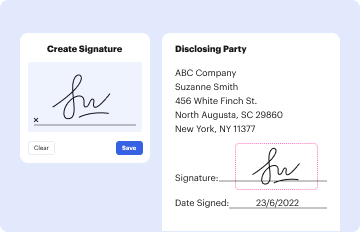
- Obtain Signatures: Once agreed upon, both parties should sign the document to formalize the agreement.
By following these steps, organizations can ensure a clear and effective telework agreement is established.
Who Typically Uses the Telework Agreement Template
The Telework Agreement Template is commonly used by various individuals and organizations that engage in remote work arrangements. These include:
- Corporate Organizations: Large and medium-sized businesses utilizing telework to increase flexibility and employee satisfaction while reducing overhead costs.
- Government Agencies: Public sector departments looking to implement telework policies for enhanced employee work-life balance and continuity of operations during emergencies.
- Educational Institutions: Schools and universities facilitating remote work for faculty and staff.
- Small Businesses: Entrepreneurs and small business owners seeking to offer telework options to attract and retain talent.
- Non-Profit Organizations: Adopting telework policies to better manage resources while supporting employee needs.
These entities use Telework Agreement Templates to standardize their teleworking policies and clearly communicate expectations to their teleworking staff.


Important Terms Related to Telework Agreement Template
Understanding the common terms and definitions within a Telework Agreement Template is crucial for effective implementation and compliance:
- Telework: Performing job duties from a location other than the traditional office environment, often using digital communication tools.
- Remote Work: Similar to telework but often used interchangeably to indicate working from home or another remote location.
- Core Hours: Predetermined hours during which the remote worker is expected to be readily available.
- Virtual Private Network (VPN): A secure connection method used to safeguard data transmitted over public networks.
- Synchronous Communication: Real-time means of communication, such as chat or video conferencing.
- Asynchronous Communication: Non-real-time communication like email or message boards.
These terms help both the employer and employee navigate the nuances of teleworking effectively.
Legal Use of the Telework Agreement Template
The legality of using a Telework Agreement Template hinges on compliance with relevant employment laws and regulations. Key legal considerations include:
- Fair Labor Standards Act (FLSA): Ensures that teleworkers are compensated for all hours worked, including overtime, as per federal standards.
- Occupational Safety and Health Administration (OSHA): Requires that the remote work environment adheres to safety standards to limit workplace injuries.
- Data Privacy Laws: Compliance with data protection regulations, such as the General Data Protection Regulation (GDPR) and the Health Insurance Portability and Accountability Act (HIPAA), is crucial when teleworking involves handling personal or sensitive information.
- State Laws: Employees and employers must ensure the agreement complies with state-specific employment regulations.
Adhering to these legal standards helps protect organizations from potential legal challenges stemming from telework arrangements.
Examples of Using the Telework Agreement Template
Several real-world examples showcase the effective use of a Telework Agreement Template for different scenarios:
- Large Corporations: A tech firm in Silicon Valley uses the template to formalize remote work arrangements for software engineers, detailing core communication hours and equipment provisioning.
- Higher Education: A university employs the template to allow faculty to work remotely, addressing academic integrity and online teaching guidelines.
- Government Departments: A federal agency utilizes the template to enable continuity during emergencies, specifying data security measures and emergency contact protocols.
- Non-Profit Sector: A charity adopts the template to support flexible work options for its policy analysts, focusing on performance metrics and communication standards.
These examples illustrate the versatility and applicability of Telework Agreement Templates across various industries and sectors.
State-Specific Rules for the Telework Agreement Template
State-specific regulations may influence the provisions of a Telework Agreement Template. Variations often occur in the following areas:
- Wage and Hour Laws: States such as California enforce stricter overtime and minimum wage requirements that must be reflected in telework agreements.
- Worker's Compensation: States have varying stipulations regarding coverage for injuries sustained in a home office setting.
- Expense Reimbursements: Some states require employers to reimburse teleworkers for costs incurred while working remotely, such as internet usage or office supplies.
Employers should review state-specific labor laws to ensure the Telework Agreement complies with local requirements, minimizing the risk of legal disputes.