





Definition & Meaning
A Co-Production Contract Template is a comprehensive agreement between two or more parties that outlines the terms, responsibilities, and financial arrangements for collaborating on a specific project. This document is commonly used in the production of films, television series, or any project that requires shared contributions and resources. The contract stipulates each participant's role, delineates how profits and costs will be divided, and addresses intellectual property rights, ensuring all parties have a clear understanding of their obligations and expectations. It serves as a legally binding framework for cooperation, promoting transparency and mitigating potential disputes.
Key Elements of the Co-Production Contract Template
Roles and Responsibilities
Each party's roles and responsibilities are explicitly defined in the Co-Production Contract Template. This section includes details on the contribution of resources, whether financial, material, or talent. It also outlines the tasks each party agrees to undertake, from pre-production through to post-production phases, ensuring accountability and clarity.
Financial Arrangements
Financial arrangements cover the budget contributions and revenue-sharing agreements between the co-production parties. This section outlines the financial responsibilities of each participant, how costs will be managed, and the formula for distributing any profits. Understanding and agreeing upon this part is crucial to avoid financial disputes during or after the project.
Intellectual Property Rights
The template addresses intellectual property rights concerning the content created during the project. It details how rights are shared among the parties, who retains ownership of the final product, and what restrictions or permissions apply to the distribution and use of project-related materials. This ensures that each party's contributions are respected and appropriately credited.
Dispute Resolution Processes
To mitigate conflicts, the Co-Production Contract Template includes predefined dispute resolution mechanisms. These may involve mediation, arbitration, or legal proceedings and aim to provide a fair and efficient process for resolving disagreements. This section assures the parties that there is a reliable method to handle disputes without compromising the project's progress.
Steps to Complete the Co-Production Contract Template
-
Initiate Collaboration Discussion: Begin by discussing the project's scope, expectations, and visions with all parties involved. Establish a mutual understanding of the project's objectives and goals.
-
Draft the Initial Agreement: Utilize a Co-Production Contract Template and fill in preliminary details such as the names of the parties, project description, and timeline. Include as much specific information as possible.
-
Define Key Elements: Work collaboratively to outline the roles, responsibilities, financial arrangements, intellectual property rights, and dispute resolution procedures. Ensure each party's contributions and expectations are clearly documented.
-
Legal Review: Have a legal professional review the draft to ensure compliance with relevant laws and regulations. This step is crucial to avoid any legal pitfalls and ensure enforceability.
-
Negotiate Terms: Discuss and negotiate any areas of contention or needed adjustments with the parties involved. Ensuring all parties agree to the contract terms is vital for smooth collaboration.
-
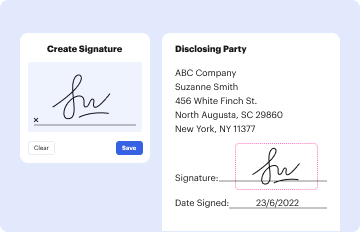
Final Approval and Signing: Once all parties are satisfied with the contract, each should sign the agreement to signify acceptance and readiness to proceed under the stated terms.
Legal Use of the Co-Production Contract Template
Compliance with U.S. Laws
The Co-Production Contract Template must adhere to United States laws for it to be enforceable and valid in legal scenarios. Regular updates to the template are necessary to reflect changes in relevant laws and industry practices. This ensures participants are protected and comply with all applicable regulations.
Protection of Parties
Legal use of the contract aims to protect each party against breaches and disputes. It sets definitive guidelines concerning contributions, liabilities, and rights, offering a legal avenue for recourse if necessary. Using an official template helps create a structured and understandable legal agreement that minimizes potential misunderstandings.
Examples of Using the Co-Production Contract Template
Film Production Scenario
Two production companies decide to collaborate on a new independent film. They use the Co-Production Contract Template to clarify their scriptwriting, casting, and financing contributions. The agreement ensures that both companies are credited appropriately and share box office revenue based on their input level, streamlining collaboration and production processes.
Television Series Development
A streaming platform teams with a media production company to create a new series. The Co-Production Contract Template helps them delineate story development responsibilities, set filming schedules, and outline marketing efforts. This contract ensures both parties clearly understand their roles and how profits will be handled, ensuring a successful and harmonious partnership.
Important Terms Related to the Co-Production Contract Template
- Contribution: The amount of resources—financial or otherwise—that a party pledges to offer according to the contract's terms.
- Net Profits: Revenue generated minus the costs associated with the production, defining what will be shared amongst parties.
- Exclusive Rights: These refer to the rights granted to one party to distribute and use the produced content without external interference.
- Termination Conditions: Circumstances under which the contract can be dissolved before the project's completion, protecting parties' rights and investments.
Software Compatibility
Utilization with Document Platforms
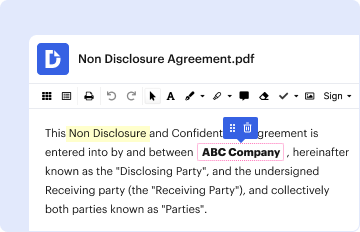
The Co-Production Contract Template is compatible with various document editing software, allowing parties to adjust, annotate, and finalize the agreement digitally. Platforms like DocHub facilitate online editing, signing, and sharing tasks without converting documents, thus streamlining workflow and maintaining file integrity.
Integration with Cloud Services
By integrating with cloud platforms such as Google Drive, Dropbox, or OneDrive, the Co-Production Contract Template can be stored, accessed, and managed efficiently. This accessibility ensures that teams can collaborate in real-time from various locations, providing a seamless working experience.