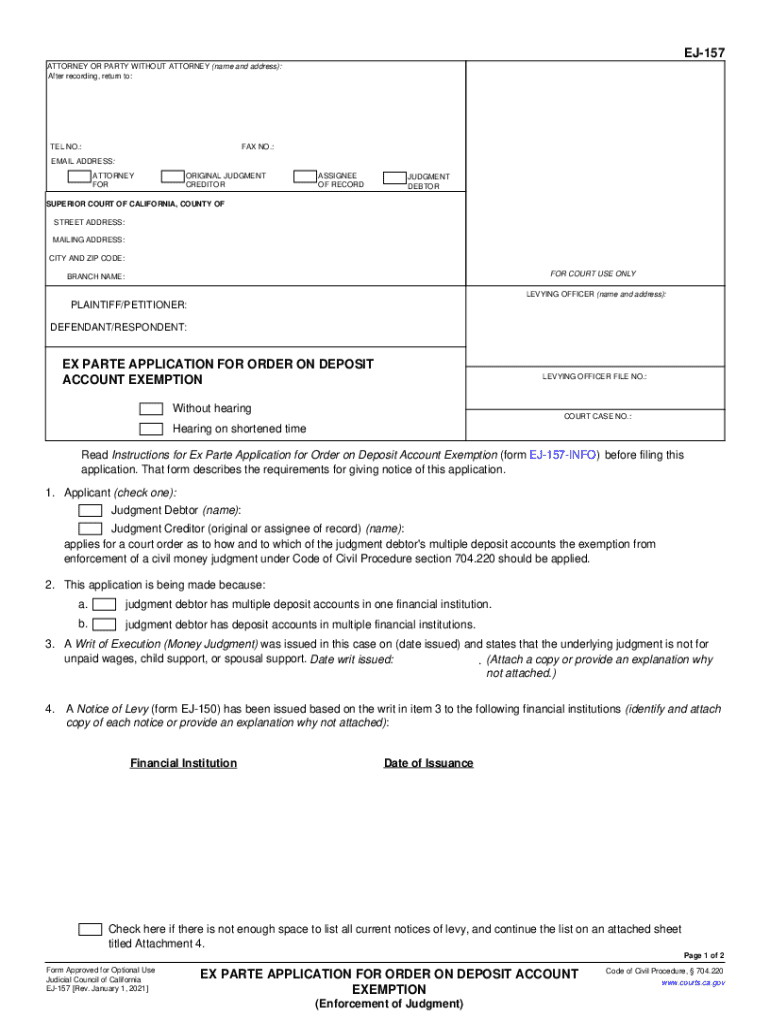







Definition & Meaning
The "Service of Process Not Proper on Party's Attorney Absent" refers to the legal principle that service of process, which is the procedure by which a party to a lawsuit gives appropriate notice of initial legal action to another party, must be correctly executed to ensure the recipient has proper notice of the proceedings. Serving process on an attorney without appropriate authorization, or in situations where the attorney is absent or unauthorized to accept service on behalf of their client, is deemed improper. This can result in delays or dismissals if not rectified, as proper service is foundational to due process.
Eligibility Criteria
To correctly utilize the "Service of Process Not Proper on Party's Attorney Absent," it is essential to understand whether the attorney is authorized to accept service on behalf of their client. Factors determining this eligibility include:
- The attorney must have explicit written authorization from the client to accept such service.
- The service method must comply with jurisdictional rules, which often require direct service to the party unless exceptions apply.
- Verification through case records confirming the attorney's authority to accept service is advisable prior to proceeding.


Steps to Complete the Service of Process Not Proper on Party's Attorney Absent
- Identify the Authority: Confirm if the attorney has specific authority from the client to accept service. This is often determined through written agreements or court directives.
- Determine Proper Methods: Understand jurisdictional rules governing proper service methods. Each state may have variations requiring strict adherence to procedures.
- Execute Service: Deliver the documents according to legal protocols. If the attorney cannot accept service, serve the party directly as per legal guidelines.
- File Proof of Service: Submit documentation to the court demonstrating that proper service has been executed. This typically includes an affidavit or declaration from the individual who made the service.
Important Terms Related to Service of Process
Understanding the terminology is critical:
- Service of Process: The formal delivery of legal documents to a party.
- Authorized Agent/Attorney: An individual or lawyer duly authorized to receive service on behalf of a client.
- Affidavit of Service: A sworn statement detailing how and when legal documents were served.
- Immunity from Service: Situations where parties cannot be served, such as during certain legal protections or within specific locations.
Legal Use of the Service of Process Not Proper on Party's Attorney Absent
The legal implications of using this service improperly can be severe:
- Invalid Service: If an attorney is not authorized to receive service, the action can be dismissed or proceedings delayed.
- Right to Due Process: Ensures all parties are fully aware of legal actions and have the opportunity to respond.
- Corrective Actions: If improperly served, parties may need to reissue service correctly, following up with necessary legal steps to regain compliance.
State-Specific Rules for Service of Process
Each U.S. state has distinct regulations detailing how service must occur. Key considerations include:
- Different Acceptance Protocols: Some states require explicit written authorization, while others allow broader interpretations of authorization.
- Unique Timing Requirements: Certain states have time constraints within which process must be served to achieve validity.
- Specific Delivery Methods: Methods such as personal delivery, registered mail, or electronic service might vary by state.
Key Elements of the Service of Process Not Proper on Party's Attorney Absent
Understanding core components ensures compliance and adherence to legal standards. These include:
- Correct Identification of Parties: Ensuring that the correct party is named and served.
- Method of Delivery: Varies as per legal jurisdiction mandates.
- Record Keeping: Maintaining accurate documentation and proof of service to uphold legal standards.
Examples of Using the Service of Process Not Proper on Party's Attorney Absent
Practical scenarios illustrate its application:
- Mismatched Authority: A party attempts to serve process on an attorney without verifying authority, resulting in delayed legal proceedings.
- Jurisdictional Misunderstanding: Misinterpretation of state-specific rules leads to improper service, necessitating repeat efforts.
Penalties for Non-Compliance
Failing to comply with service requirements can result in:
- Dismissal of Cases: Courts may dismiss actions where improper service significantly affects proceedings.
- Costs and Sanctions: Additional legal expenses may accrue, including court-imposed penalties for re-servicing.
- Legal Delays: Unnecessary postponements can compound complications, particularly in time-sensitive cases.