






Definition & Purpose of the Form
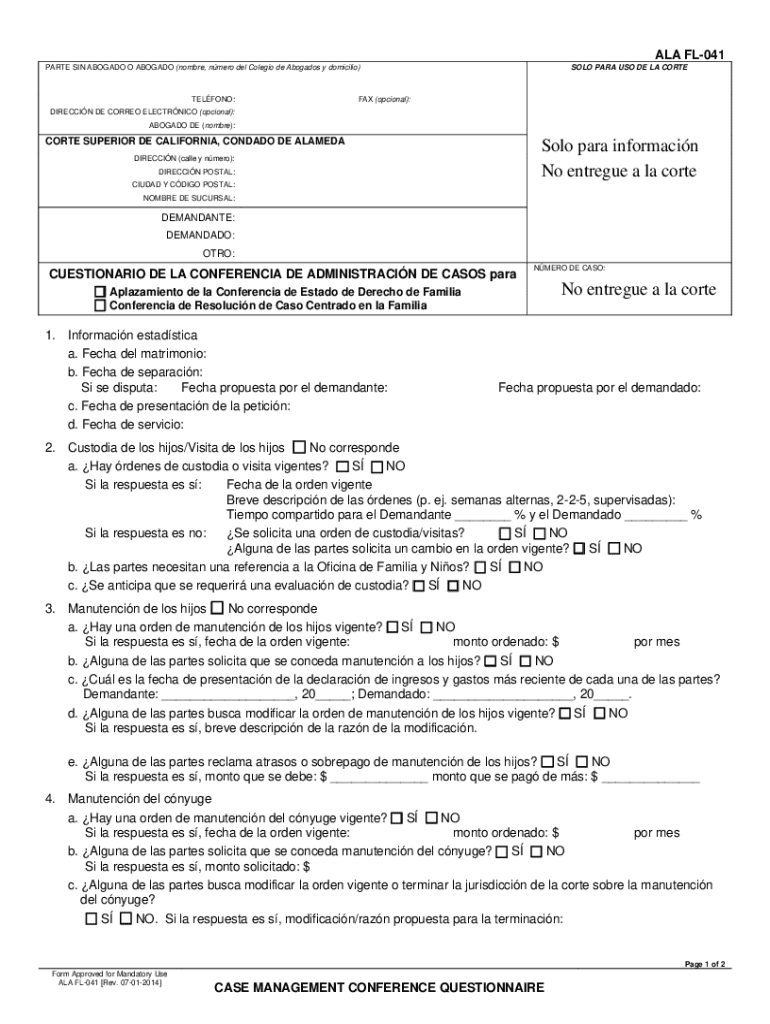
The form "PARTE SIN ABOGADO O ABOGADO (nombre, número del Colegio de Abogados y domicilio)" is designed for the documentation of representation in legal procedures. It serves to formally declare whether a party is self-represented or has legal representation, including details such as the attorney's name, bar association number, and address.
Key Elements of the Form
- Representation Status: Indicates if the person is self-represented or represented by an attorney.
- Attorney Information: If applicable, includes the lawyer’s full name, bar number, and office address.
- Contact Information: Essential for communication and official notices.
How to use the Form
To use this form correctly, individuals must assess their representation status in legal matters. This form must be submitted where the legal process requires documentation of such status.
Steps to Complete the Form
- Select Representation Status: Choose between self-represented or attorney-represented.
- Fill Personal Information: Enter your full name and contact details.
- Provide Attorney Details: If represented, include attorney name, bar number, and address.
- Signature and Date: Sign the document and note the current date for valid submission.
Why Use the Form
This form is vital for clarifying the legal representation in proceedings, ensuring that courts and other involved parties are informed of representation status, which affects communications, proceedings, and responsibilities.
Benefits of Using the Form
- Clarity in Representation: Avoids confusion regarding who is authorized to act on behalf of the party.
- Efficient Communication: Ensures that notices and documents are sent to the correct person.
- Legal Compliance: Meets procedural requirements for court appearances and legal processes.
Who Typically Uses the Form
The form is commonly used by individuals involved in legal proceedings, particularly in family law or civil cases, where representation must be clearly identified.


Professional Scenarios
- Civil Cases: Parties involved in lawsuits need to declare representation.
- Family Law: In divorce or custody matters, this form helps formalize who is handling the case.
Legal Use of the Form
The form adheres to legal standards by providing necessary declarations in court proceedings, ensuring that all parties maintain the integrity and transparency of representation.
State-Specific Rules
- California: Legal documents, including this form, must comply with state-specific regulations that might require additional information or submission processes.
Examples of Using the Form
In a divorce case in California, you would file this form to declare who represents you in court proceedings to ensure timely communication and proper legal protocol.
Practical Scenarios
- Self-Representation: Useful when defending oneself to establish communication lines.
- Attorney Representation: Essential for updating court records with attorney information.
Important Terms Related to the Form
- Pro Se: Referring to individuals representing themselves without an attorney.
- Bar Number: A unique identification number assigned to attorneys upon admission to the bar association.
Important Dates & Deadlines
Legal documents typically have submission deadlines that are important for maintaining compliance in legal proceedings. Check specific court regulations for relevant dates.
Filing Considerations
- Timely Submission: Ensuring deadlines are met to avoid delays in legal cases.
- Court-Specific Deadlines: Different jurisdictions may have varying deadlines.
Eligibility Criteria for Use
Anyone involved in a legal proceeding requiring the declaration of legal representation status must use this form. This includes individuals both self-represented or represented by an attorney.

Considerations for Eligibility
- Involvement in Legal Proceedings: Required if participating in a case as either a plaintiff or defendant.
- Representation Status: Necessary to confirm whether self-represented or attorney involvement.
Steps to Obtain the Form
Obtain the form through court websites or physical court offices, ensuring it's the correct version for your jurisdiction and legal matter.
Access Methods
- Online Download: Accessible through court websites for faster procurement.
- In-Person Collection: Available at local courthouse offices for those unable to access digital forms.