






Definition of Admissions and Registration at Montana State University
Admissions and registration at Montana State University (MSU) refer to the initial steps required for students to gain entry into the university and enroll in their chosen courses. This process involves the submission of applications along with supporting documents, meeting the eligibility criteria, and completing any required tests or interviews. Understanding these terms ensures prospective students are adequately prepared to navigate the application and enrollment procedures at MSU.
How to Use the Admissions and Registration Form
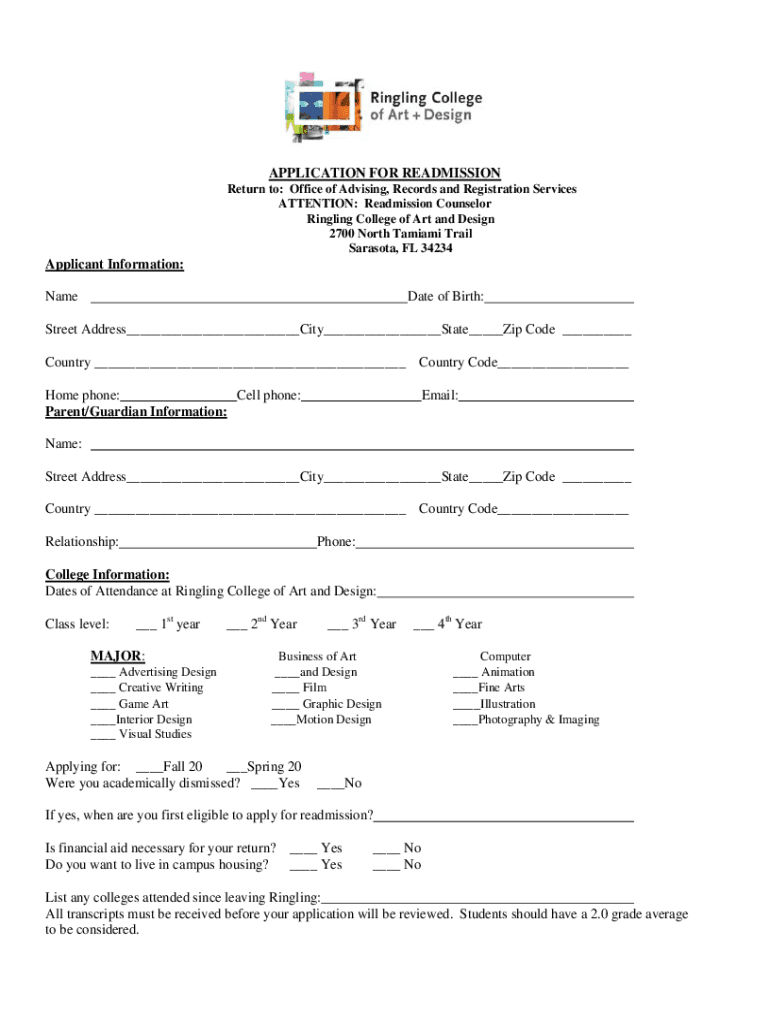
Using the admissions and registration form effectively involves filling out personal and academic information accurately.
- Provide Personal Information: Ensure your name, contact details, and social security number (if applicable) are correct.
- Academic History: Include details of previous education, such as high school or previous college transcripts.
- Program Selection: Clearly specify the program or course you are applying for within MSU.
- Supporting Documents: Attach any additional documents like test scores, recommendation letters, and personal statements as required.
By following these steps, you can efficiently complete the form to enhance the likelihood of acceptance into the desired program.
Steps to Complete the Admissions and Registration Form
Completing the admissions form requires a series of precise steps to ensure all necessary information is captured.
- Review Requirements: Read through the list of documents and information required for your program.
- Gather Documentation: Collect all necessary paperwork, including transcripts and test scores.
- Fill Out the Form: Carefully enter all personal, academic, and program-specific details on the form.
- Attach Supporting Documents: Ensure all additional materials are included to support your application.
- Review and Submit: Double-check for errors or omissions before submitting the form through the designated channels, whether online or in-person.
Following this structured process helps streamline the admissions task and minimizes the risk of overlooking critical details.
Important Terms Related to Admissions and Registration
Understanding key terms in the admissions and registration process aids in smoother navigation.
- Transcripts: Official records from educational institutions covering courses taken and grades received.
- Personal Statement: An essay explaining your motivations for applying and your career aspirations.
- Eligibility Criteria: Specific requirements you must meet to qualify for program entry, like GPA or standardized test scores.
Familiarity with these terms ensures clarity when completing forms and interacting with university admissions officials.
Key Elements of the Admissions and Registration Process
Several components are crucial when navigating the admissions and registration process:
- Application Fee: A non-refundable fee you must pay when submitting your form.
- Deadline: The final date by which your application and all materials must be received.
- Decision Notification: The date by which you will be informed of the university's decision regarding your application.
- Orientation: A program for new students to familiarize themselves with campus life and resources.
These elements provide a timeline and framework for completing the admissions steps, guiding prospective students towards successful enrollment.
State-Specific Rules for Montana State University Admissions
While Montana State University follows general admission procedures, certain state-specific guidelines may apply.
- Resident vs. Non-Resident Tuition: Tuition fees vary for in-state and out-of-state students, impacting financial planning.
- Montana Residency: Criteria to qualify for in-state tuition rates, often requiring proof of permanent residence.
- State Scholarship Opportunities: Availability of scholarships specifically for Montana residents.
Recognizing these state-specific nuances assists applicants in making informed decisions regarding their education and potential financial commitments.
Required Documents for Application Submission
Specific documents must accompany your admissions application to Montana State University.
- High School/Previous College Transcripts: Official copies that validate your educational background.
- Standardized Test Scores: Results from exams like the SAT or ACT, if applicable to your program.
- Letters of Recommendation: Endorsements from teachers or professionals familiar with your capabilities.
Compiling these documents ahead of time enables a smoother application process and ensures compliance with MSU’s requirements.
Form Submission Methods: Online, Mail, and In-Person
Admissions forms can be submitted through various methods, catering to different preferences and situations.
- Online: Submit via the university’s official admissions portal; convenient and efficient.
- Mail: Send completed documents to the university’s admissions office; essential for those without internet access.
- In-Person: Visit the admissions office to hand-deliver forms, allowing for immediate clarification if needed.
Understanding and choosing the right submission method ensures your application reaches the university efficiently and on time.
Eligibility Criteria for Admissions
Essential eligibility criteria must be met for successful admission.
- Academic Requirements: Must meet minimum GPA criteria and submit standardized test scores.
- English Proficiency: For international students, proof of proficiency through TOEFL or IELTS may be required.
- Program-Specific Criteria: Certain programs may have additional requirements, such as prerequisite courses or portfolios.
Being aware of these criteria allows prospective students to align their qualifications with MSU’s expectations, increasing their chances of being accepted.
By covering these aspects comprehensively, applicants can better prepare their applications for Montana State University, ensuring all components are understood and addressed accordingly.