






Definition and Meaning of the School Travel Plan Coordinators' Guide
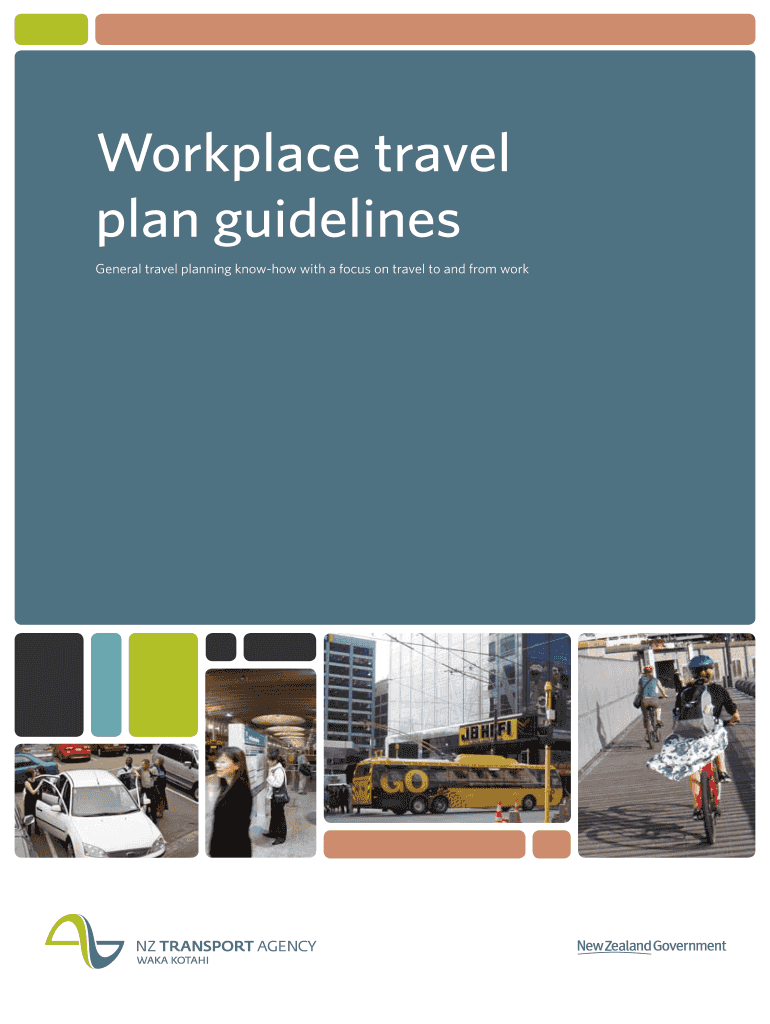
The "School Travel Plan Coordinators' Guide" by the NZ Transport Agency serves as a detailed blueprint for assisting schools in developing and implementing travel plans aimed at enhancing sustainable commuting options for students and staff. The guide delves into strategies to reduce dependency on cars, encouraging alternative methods such as walking, cycling, public transport, and carpooling. This document functions as an essential resource for coordinators tasked with minimizing the environmental impact of school travel while promoting healthier, more cost-effective commuting habits.
How to Use the School Travel Plan Coordinators' Guide
The guide is tailored to support coordinators in establishing and executing effective school travel plans. It outlines a step-by-step approach, including:
- Initial Setup: Engage stakeholders, define objectives, and allocate resources.
- Data Collection: Conduct surveys and analyze existing travel patterns.
- Action Planning: Develop strategies and set measurable goals based on collected data.
- Implementation: Roll out strategies across the school community.
- Monitoring and Evaluation: Continually review plan effectiveness and make necessary adjustments.
These steps provide a structured framework that ensures a comprehensive approach to fostering sustainable travel habits within schools.
Important Terms Related to the School Travel Plan Coordinators' Guide
Understanding key terms is crucial for effectively using the guide:
- Sustainable Commuting: Travel methods that reduce carbon footprints, including walking, cycling, and public transport.
- Stakeholders: Individuals or groups with a vested interest in the school's travel plans, such as parents, teachers, and local authorities.
- Action Plan: A detailed strategy outlining steps to achieve specific travel objectives.
- Data Collection: Gathering quantitative and qualitative data on existing travel behaviors.
- Monitoring: Ongoing assessment of travel plan outcomes against initial goals.
These terms form the foundational language of the guide, essential for coordinating and communicating plans effectively.
Key Elements of the School Travel Plan Coordinators' Guide
The guide is composed of several crucial elements designed to assist coordinators:
- Framework for Planning: Outlines phases of plan development, from initiation to monitoring.
- Research and Data Analysis: Provides methodologies for collecting and interpreting data.
- Actionable Strategies: Offers practical tactics for promoting sustainable travel modes.
- Communication Tools: Includes methods for engaging and informing the school community.
- Evaluation Metrics: Establishes criteria for assessing plan success and areas for improvement.
These elements ensure a comprehensive approach to creating effective and sustainable school travel plans.
Who Typically Uses the School Travel Plan Coordinators' Guide
The guide is primarily utilized by school travel coordinators tasked with implementing transport strategies. Users often include:
- School Administrators: Oversee plan integration within school operations.
- Local Government Officials: Collaborate with schools to align community travel objectives.
- Environmental Advocacy Groups: Support schools in sustainable initiatives.
- PTAs and Parent Groups: Engage in promoting healthier travel choices among families.
These stakeholders work collectively to ensure the travel plan is effective, inclusive, and aligned with broader community goals.


Examples of Using the School Travel Plan Coordinators' Guide
The guide provides real-world scenarios and case studies illustrating successful implementations:
- Case Study 1: A suburban school reduced local traffic congestion by implementing a walking school bus program, highlighting community engagement and safety improvements.
- Case Study 2: An urban school integrated cycling as a primary commuting method, providing infrastructure support such as bike racks and safety workshops.
- Case Study 3: A rural school collaborated with local transport agencies to improve bus routes, ensuring accessibility and reliability for students.
These examples showcase practical applications of the guide's strategies in diverse settings.
Steps to Complete the School Travel Plan Coordinators' Guide
Completing the guide involves a systematic approach:
- Stakeholder Engagement: Identify and involve key participants in planning discussions.
- Survey Execution: Conduct comprehensive surveys to gather baseline travel data.
- Goal Setting: Define specific, measurable objectives informed by data analysis.
- Strategy Development: Craft targeted plans to address identified travel issues.
- Implementation: Initiate strategies, ensuring resources are allocated appropriately.
- Feedback Collection: Engage the school community for feedback during rollout.
- Continuous Monitoring: Track plan performance and adjust strategies as needed.
Following these steps results in the development of a robust, effective school travel plan.
State-Specific Rules for the School Travel Plan Coordinators' Guide
The guide is applicable across varying regions, but coordinators must be aware of state-specific requirements that may impact implementation:
- Transport Regulations: Compliance with local traffic laws and safety standards.
- Environmental Policies: Aligning school travel plans with state sustainability initiatives.
- Funding Options: State-specific grants and subsidies for implementing sustainable travel measures.
Coordinators must collaborate with local authorities to ensure adherence to relevant state laws and policies, optimizing the efficacy of school travel strategies.