





Understanding Technical Report 4
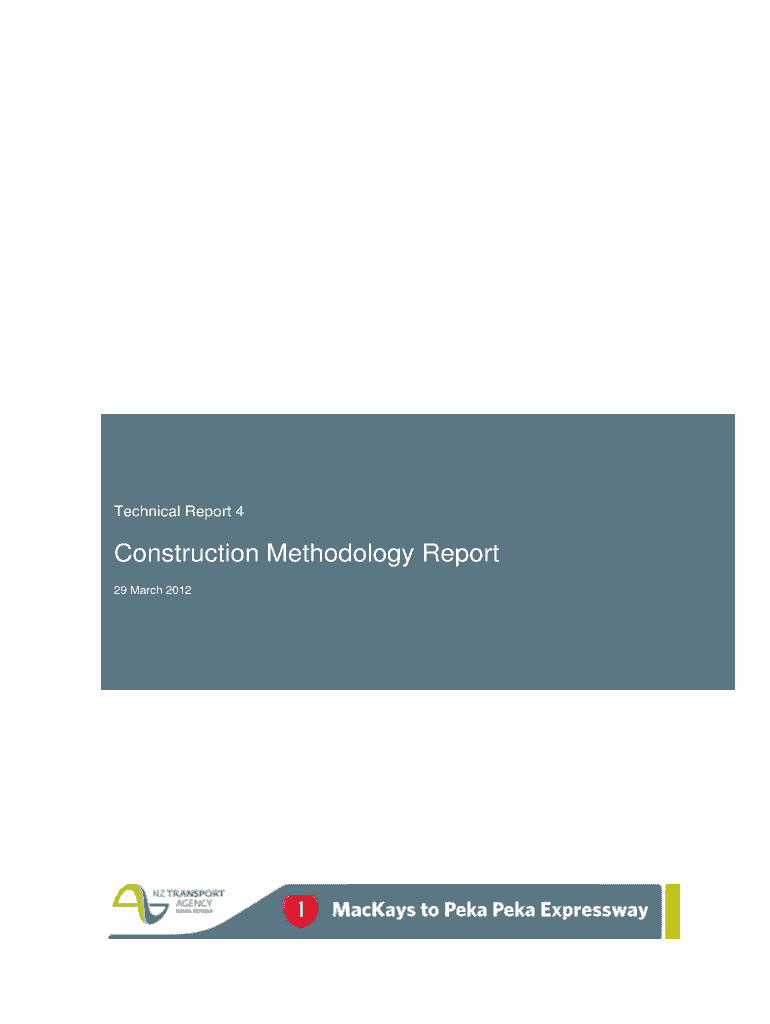
Technical Report 4 is a comprehensive document that outlines the construction methodology for infrastructure projects, with a specific focus on minimizing environmental impacts while ensuring efficient progress. This report is essential for project managers, engineers, and stakeholders involved in construction projects to ensure adherence to specified guidelines and objectives.
How to Use Technical Report 4
To use Technical Report 4 effectively, familiarize yourself with the sequence of operations detailed within the report. It's crucial for coordinating activities such as preload embankments, earthworks, and bridge construction. Make sure to study the objectives and construction philosophy to align with project goals.
- Preload Embankment: Understand the requirements and benefits of preloading to stabilize soil.
- Earthworks Overview: Pay attention to guidelines regarding excavation and earth-moving activities.
- Bridge Construction: Implement methodologies for bridge construction as stipulated.
Key Elements of Technical Report 4
Technical Report 4 contains several critical components that are vital for successful project execution:
- Construction Yards: The setup and management of construction yards, including placement and logistics.
- Water Supply Management: Effective strategies for sourcing, distributing, and conserving water.
- Stormwater Drainage Systems: Design and maintenance protocols to handle runoff.
These elements are integral to maintaining project sustainability and efficiency.
Steps to Complete Technical Report 4
- Identify Objectives: Clearly outline the objectives of the construction project.
- Gather Required Documents: Collect all necessary data and documents related to construction methodologies.
- Review Guidelines: Examine the guidelines on minimizing environmental impacts.
- Prepare Detailed Sections: Document the methodology, including earthworks and bridge construction.
- Environmental Impact Assessment: Incorporate findings and management plans into the report.
- Compile and Submit: Assemble all sections into a cohesive report and submit it according to project protocols.
Legal Use of Technical Report 4
In the U.S., Technical Report 4 must comply with local, state, and federal regulations concerning construction and environmental protection. It serves as a legal document to demonstrate compliance with environmental and safety standards.
- Regulatory Adherence: Ensure that the report aligns with regulations from agencies such as the Environmental Protection Agency (EPA).
- Documentation: Keep detailed records of assessments and mitigation plans.
Important Terms Related to Technical Report 4
Understanding key terms is crucial for accurately interpreting Technical Report 4:
- Preload Embankments: A technique used to stabilize soft ground before construction.
- Earthworks: Civil engineering works involving modification of landform for a specific purpose.
- Mitigation Plans: Strategies designed to reduce negative impacts on the environment.
These terms form the foundation of the report’s content and guide its implementation.
Examples of Using Technical Report 4
Case studies provide insight into the successful application of Technical Report 4 in real-world projects:
- Large-scale Highway Projects: Utilizing the report to manage and mitigate extensive environmental impacts.
- Urban Infrastructure Development: Applying methodologies to structure efficient construction operations in urban areas.
By referring to these examples, stakeholders can better understand the versatility and applicability of the report.
Form Submission Methods
Technical Report 4 can be submitted via various channels depending on the project's scope and jurisdiction:
- Online Submission: Digital submission through project management software or regulatory body portals.
- Mail: Physical submission of copies through postal services for formal records.
- In-Person: Submission through meetings or consultations with relevant authorities.
Choosing the appropriate method depends on specific project requirements and regulatory standards.