






Definition & Meaning
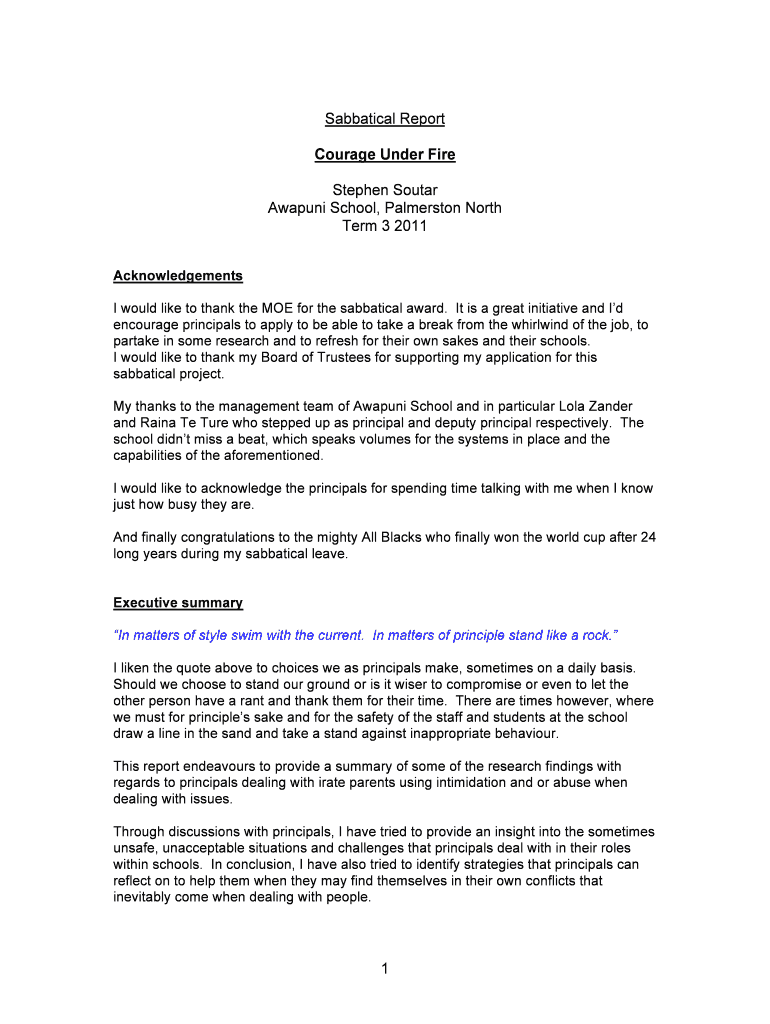
The "Full report (PDF 98 kB) - Educational Leaders" serves as a comprehensive document aimed at addressing key issues educational leaders usually encounter. This report is especially useful for school principals and other educational personnel seeking strategies and insights to manage challenges effectively. The report outlines best practices and methodologies for improving educational environments.
Steps to Complete the Full Report
Completing the "Full report (PDF 98 kB) - Educational Leaders" involves several structured steps:
- Familiarize Yourself with the Report's Purpose: Understand the primary objectives and intended outcomes of engaging with the report.
- Gather Necessary Information and Data: Collect relevant details and case studies that are applicable to your educational setting.
- Analyze Current Challenges in Your Institution: Identify specific issues faced by educational leaders within your organization.
- Apply Best Practices and Strategies: Evaluate the recommended practices in the report and integrate them into your strategic planning.
- Review and Finalize: Check for completeness and relevance before implementing the suggested strategies.
Key Elements of the Full Report
Several important components are consistent across the "Full report (PDF 98 kB) - Educational Leaders":
- Strategic Frameworks: Guidelines for developing effective communication and security strategies within educational settings.
- Case Studies: Practical examples and insights from other schools dealing with similar issues.
- Best Practices: Recommendations for maintaining a safe and supportive school environment.
- Intended Outcomes: The report outlines specific goals, such as enhancing community relationships and improving conflict management skills.
Why You Should Use the Full Report
Utilizing the "Full report (PDF 98 kB) - Educational Leaders" is crucial because it:
- Guides Educational Leaders: Offers structured guidance for principals and administrators in handling complex situations.
- Improves Institutional Safety: Emphasizes the importance of safety for both staff and students, suggesting strategies that can be immediately implemented.
- Encourages Professional Development: Promotes continuous learning and adaptation of new methodologies to address evolving challenges.
Who Typically Uses the Full Report
This report is primarily used by:
- School Principals: Seeking detailed insights and solutions for administrative challenges.
- School Administrators: Looking to enhance their institution's policies and procedures.
- District Supervisors: Aiming to apply successful strategies from other schools at a district level.
- Educational Consultants: Providing advisory services to educational institutions.


Important Terms Related to the Full Report
Understanding specific terminology is critical for effectively engaging with the report:
- Intimidation and Abuse in Schools: Refers to instances where school personnel face aggressive behavior from parents or other stakeholders.
- Community Relationships: The efforts toward building strong bonds and communication channels between the school and its community.
- Professional Development: Continuous training and education for staff to keep up with best practices.
Legal Use of the Full Report
The "Full report (PDF 98 kB) - Educational Leaders" is valuable for ensuring compliance with educational standards and protective measures:
- Lawful Resource Utilization: Institutions can legally adopt the strategies within the report to improve their operational procedures.
- Guidance on Conflict Resolution: Encourages schools to adhere to lawful conflict management and resolution practices.
Digital vs. Paper Version
The report can be accessed in both digital and paper formats, offering flexibility:
- Digital Version: Easily accessible and shareable via most file-sharing platforms.
- Paper Version: Useful for tangible review and sharing in meetings or training sessions without the need for electronic devices.
Examples of Using the Full Report
Practical applications include:
- School Safety Plans: Schools have implemented tailored safety protocols by leveraging insights from the report.
- Parent-Principal Meetings: Instituted new frameworks for handling parent interactions and de-escalating situations based on recommendations.
- Policy Refinements: Educational bodies have updated their policies to improve staff training and student protection measures.
By meeting the specific needs of educational leaders, this report offers a rich source of knowledge and practical tools for enhancing the efficacy of schools and addressing pertinent challenges head-on.