






Definition & Meaning
The concept "U S Would Benefit from Partner Navies, Flexibility of 2nd and" likely refers to a strategic military and cooperative approach where the United States could enhance its naval operations by collaborating with partnered navies. This idea emphasizes the value of joint maritime exercises, technological sharings, such as advancements in second-line defenses, and increased flexibility in naval deployment. Such partnerships could lead to improved operational effectiveness and readiness. By leveraging the diverse capabilities of allied naval forces, the U.S. Navy could enhance its global reach and resource optimization.
How to Use this Strategic Partnership
To effectively utilize this strategy, the U.S. Navy should focus on building and maintaining strong relationships with allied navies. This involves:
- Joint Training Exercises: Engaging in regular joint exercises to ensure seamless interoperability and readiness.
- Technology and Intelligence Sharing: Establishing protocols for sharing technology, intelligence, and best practices.
- Strategic Deployment: Coordinating the deployment of naval assets to cover broader areas and respond to global challenges more efficiently.
- Cultural Exchanges: Promoting cultural exchanges and educational programs to foster mutual understanding and trust.
Leveraging these components will ensure that the partnership remains strong and beneficial for all parties involved.
Steps to Complete the Partnership Implementation
- Identify Potential Allies: Assess which navies offer compatible capabilities and strategic benefits.
- Formal Agreements: Draft and sign Joint Naval Partnership Agreements outlining the terms of cooperation.
- Resource Allocation: Determine resource needs, such as funding, personnel, and technology, and allocate them accordingly.
- Regular Evaluations: Conduct regular assessments to ensure the partnership meets its strategic objectives and evolves as necessary.
- Feedback Loop: Establish a system for continuous feedback to address challenges and improve collaboration mechanisms.
These steps are crucial to ensure that the partnerships yield tangible benefits in line with national defense objectives.
Key Elements of the Strategic Partnership
- Interoperability: Ensuring that equipment and procedures are compatible across different navies.
- Flexibility in Deployment: Allowing for the rapid redeployment of forces in response to changing global situations.
- Shared Responsibilities: Distributing operational roles and responsibilities to optimize the strengths of each participating navy.
Understanding and implementing these elements are essential for maximizing the partnership’s efficiency and effectiveness.
Who Typically Uses Such Partnerships
Typically, the U.S. Navy and its allied naval forces are the primary participants. However, other branches of the armed forces and government agencies might also engage, especially those involved in:
- Defense Policy Making: To align strategies and operational plans.
- Intelligence Agencies: For sharing information that underpins naval operations.
- Defense Technology Developers: Involved in creating compatible and advanced naval technology.
These stakeholders play a crucial role in the success of naval partnerships, ensuring that objectives are met and aligned with broader defense strategies.
Examples of Successful Naval Collaborations
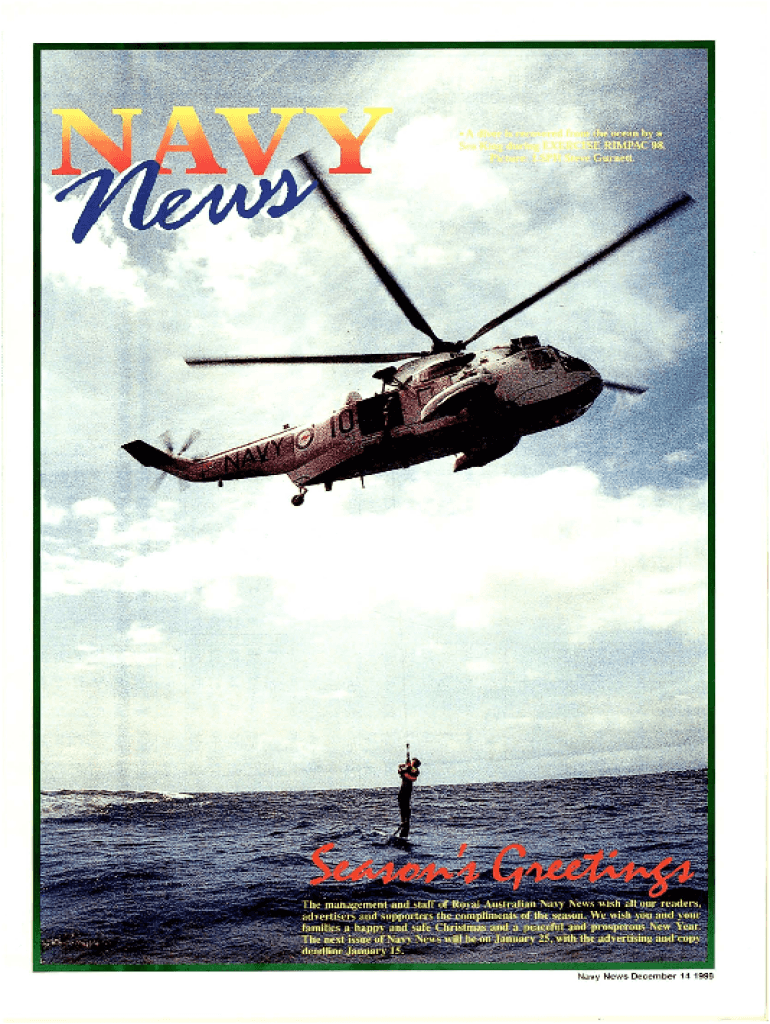
Examples of successful collaborations include the U.S. Navy conducting joint exercises with the Royal Australian Navy and NATO naval forces. These partnerships have resulted in:
- Enhanced readiness for maritime security operations.
- Development of new joint operational tactics.
- Broader understanding and integration of technological advancements in naval warfare.
Detailed case studies of such collaborations can offer insights into the practical benefits and challenges of naval partnerships.
Legal Use of Naval Partnerships
Naval partnerships are governed by international and national laws, including treaties and bilateral agreements:
- Status of Forces Agreements (SOFAs): Define how military personnel operate within allied countries.
- Maritime Law: Compliance with the United Nations Convention on the Law of the Sea (UNCLOS).
- Defense Treaties: Such as the North Atlantic Treaty Organization (NATO) agreements, binding participating navies to collective defense principles.
Compliance with these legal frameworks ensures that partnerships operate within the bounds of international law and national interests.
Important Terms Related to Naval Collaboration
- Interoperability: The ability of different naval forces to work together efficiently.
- Joint Operations: Missions or activities conducted by multiple allied navies.
- Strategic Deployment: The allocation of naval assets to priority areas for maximum impact.
Familiarity with these terms enables effective communication and understanding in collaborative naval environments.