






Definition & Significance of “Australia's Biggest Maritime Mystery Solved After 'Unknown”
The phrase “Australia's biggest maritime mystery solved after 'unknown” generally pertains to uncovering significant facts about a previously unsolved maritime event or case within Australia. These mysteries often involve unsolved disappearances, shipwrecks, or naval accidents that have puzzled historians and scientists for years. Discovering new information or evidence that solves such mysteries holds great historical and cultural significance, as it can reshape our understanding of maritime history and provide closure to long-standing questions. This term may not refer to a singular event but denotes a category of fascinating historical marine investigations.
Steps to Examine Australia's Maritime Mysteries
Examining maritime mysteries in Australia involves several methodical steps:
- Research Historical Records: Access archives, naval records, and historical documents to gather initial data.
- Consult Expert Opinions: Engage historians, maritime archaeologists, and naval experts for insights and hypotheses.
- Analyze Physical Evidence: Review artifacts recovered from wrecks or underwater sites using advanced technologies like sonar mapping.
- Utilize Modern Technology: Employ satellite imagery and AI-driven data analysis to uncover patterns not visible before.
- Document Findings: Compile research into comprehensive reports to provide detailed accounts and conclusions.
- Public Dissemination: Share discoveries through media releases, documentaries, or publications for public knowledge.
Each step is crucial for a thorough investigation and contributes to piecing together the puzzle of maritime enigmas.
Who Engages with Australia's Biggest Maritime Mysteries
Several individuals and organizations are typically involved in investigating maritime mysteries in Australia:
- Historians and Researchers: Conduct in-depth research using historical data.
- Maritime Archaeologists: Explore shipwreck sites and analyze artifacts.
- Naval Historians: Provide context regarding naval operations and technology of the period involved.
- Government Agencies: Such as the Royal Australian Navy or maritime heritage bodies.
- University Departments: Engage in research and explorations as part of academic projects.
These stakeholders collaborate to build a coherent narrative from scattered evidence and bring historical events to light.
Examples of Resolved Maritime Mysteries in Australia
Solving maritime mysteries often involves miraculous discoveries and breakthroughs:
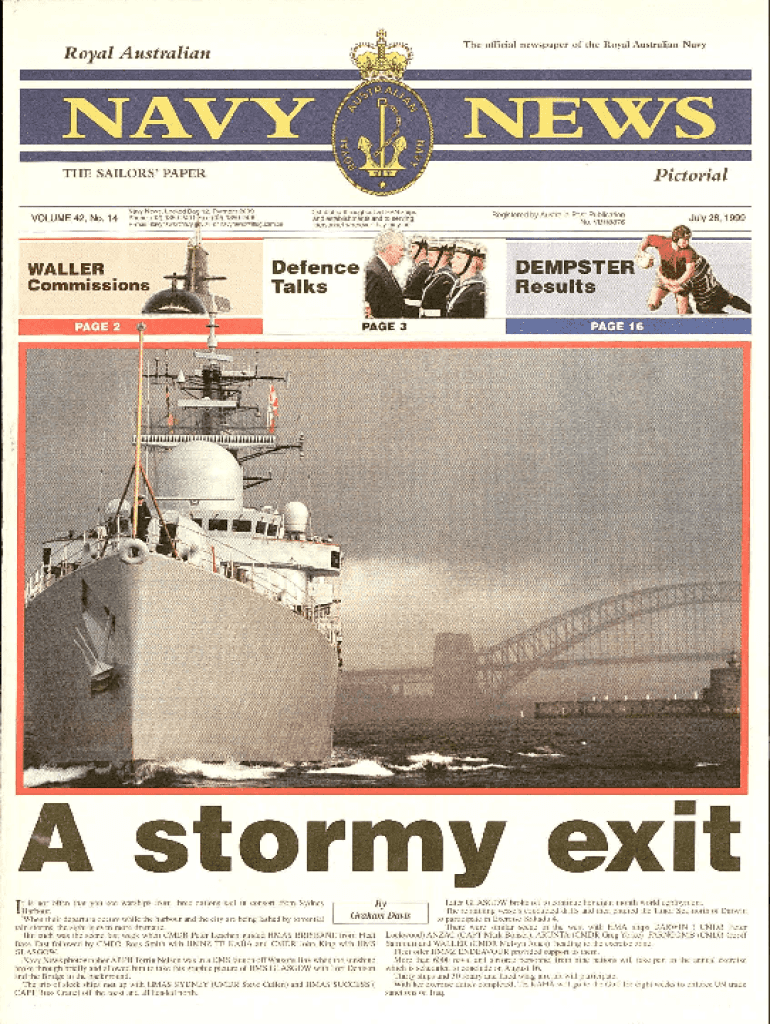
- HMAS Sydney: The wreck of this World War II cruiser was discovered after 66 years, clarifying its fate.
- Batavia: Recovery of this 17th-century Dutch shipwreck unveiled stories of mutiny and survival.
- The Mary Celeste of Australia: Instances where intact vessels without crew were found have drawn intense investigation and media attention.
Such examples illustrate the profound impact of solving these mysteries on understanding Australia’s maritime history.
Technological Advancements in Solving Maritime Mysteries
In the quest to solve maritime mysteries, technology plays a pivotal role:
- Sonar Technology: Essential for identifying underwater wreckage.
- Underwater Drones: Capture high-resolution images in deep-sea explorations.
- Geographic Information Systems (GIS): Analyze spatial data to track ship movements and wreck locations.
- Virtual Reality (VR): Assist in creating digital reconstructions of wreck sites.
These advancements have revolutionized the field, making it feasible to solve mysteries that were once considered unsolvable.
Key Elements in Solving Maritime Mysteries
Several key elements are instrumental in solving maritime mysteries:
- Artifacts and Debris Analysis: Identifying and dating ship components and personal items found at sites.
- Eyewitness Testimonies: Accounts from survivors or isolated reports help in forming hypotheses.
- Historical Context: Understanding the geopolitical and socio-economic context of the period.
- Weather Analysis: Investigating historical weather patterns for insights into maritime disappearances.
Each element contributes crucial information to piece together the mystery’s resolution.
Legal Considerations and Cultural Heritage
Conducting archaeological explorations in Australia involves legal and ethical considerations:
- Permits and Regulations: Required for exploration and excavation, ensuring protection of heritage sites.
- Ownership and Rights: Legal ownership of discovered artifacts and intellectual property rights.
- Cultural Sensitivity: Respecting the cultural importance and potential indigenous significance of certain sites.
These legal frameworks ensure that discoveries are not only educational but also respectful of Australia’s cultural legacy.