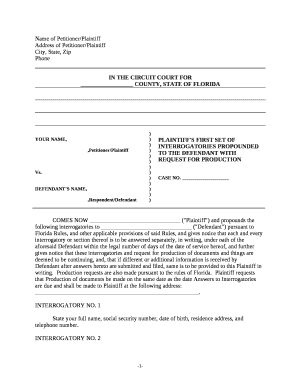







Definition and Importance of BACKGROUND TO THE REVIEW
The "BACKGROUND TO THE REVIEW" is a comprehensive examination process intended to assess regulations or policies relevant to a specific context. It typically focuses on evaluating effectiveness, identifying gaps, and suggesting improvements to current frameworks. This review is crucial as it ensures that policies remain relevant and effective in achieving their intended objectives, particularly in areas like public health, consumer protection, and professional standards.
- Purpose: The primary goal is to safeguard public interest by scrutinizing existing legislation and making necessary updates.
- Scope: Reviews often cover a wide range of topics, including regulatory frameworks, compliance measures, and potential impacts on stakeholders.
Who Typically Engages with BACKGROUND TO THE REVIEW
This review process is often utilized by government agencies, policymakers, industry regulators, and sometimes private organizations who have a vested interest in the particular subject matter. For example:
- Government Agencies: Engage in these reviews to ensure regulations align with current public needs and standards.
- Industry Professionals: Use these reviews to understand how changes may affect their practices and compliance requirements.
Steps to Complete the BACKGROUND TO THE REVIEW
Completing a review involves several detailed steps to ensure a thorough assessment:
- Initiation: Start by defining the scope and objectives of the review to focus on specific issues or aspects.
- Data Collection: Gather relevant data and information through research, surveys, or public consultations to provide a basis for analysis.
- Analysis: Assess data against current policies to identify effectiveness and areas for improvement.
- Recommendations: Create well-founded suggestions for policy amendments, including proposed regulations or adjustments needed.
- Final Review and Report: Compile a detailed report outlining findings and recommendations for stakeholders.
Legal Use of the BACKGROUND TO THE REVIEW
The review outcomes can influence the development of new legislation or amendments to existing laws. It is important to ensure that:
- Compliance: Outcomes align with both federal and state legal requirements.
- Documentation: Maintain transparency through detailed documentation of the review process and results.
Key Elements Found in BACKGROUND TO THE REVIEW
The review often includes several critical components:
- Evaluation Criteria: Defines the key indicators used to assess the effectiveness of current policies.
- Objective Analysis: Offers an impartial examination of the policies in question to eliminate bias.
- Stakeholder Input: Incorporates feedback from relevant parties to ensure comprehensive coverage.
Examples of Using BACKGROUND TO THE REVIEW
Examples demonstrate the practical application and benefits of conducting a review:
- Public Health: Evaluating the impact of health regulations on disease prevention and control measures.
- Education Sector: Revisiting academic policies to align with emerging educational technology and learning methodologies.
Important Terms Associated with BACKGROUND TO THE REVIEW
Understanding key terminology is essential for comprehending review processes:
- Legislation: The body of laws pertinent to the review subject.
- Regulation: Specific rules or directives made and maintained by an authority.
- Compliance: Adherence to laws and regulations.
Required Documents for BACKGROUND TO THE REVIEW
Conducting a comprehensive review requires specific documentation:
- Current Legislation: Existing policies and regulations to be reviewed.
- Historical Data: Records illustrating past performance and impacts of policies.
- Stakeholder Submissions: Input from those affected, offering different perspectives and insights.
State-Specific Rules and Differences in BACKGROUND TO THE REVIEW
Legal and regulatory requirements often vary between states, impacting how reviews are conducted:
- State Modifications: Some jurisdictions may have additional or different requirements that need to be addressed.
- Adaptations: Adjusting reviews to align with state-specific legal frameworks ensures relevance and legal compliance.
Software Compatibility with BACKGROUND TO THE REVIEW
In some cases, software tools are employed to facilitate the review process:
- Document Management: Tools like DocHub assist in organizing, annotating, and sharing documents efficiently.
- Compliance Software: Helps track regulatory changes and ensure up-to-date compliance information.
Penalties for Non-Compliance with BACKGROUND TO THE REVIEW
Failing to properly conduct or implement the findings from a review can have serious consequences:
- Legal Repercussions: Organizations may face fines or legal action if they do not comply with review obligations.
- Operational Risks: Non-compliance can lead to operational inefficiencies and reputational damage.
By examining each detailed element of the "BACKGROUND TO THE REVIEW," stakeholders can gain comprehensive insights into their regulatory landscape and make informed decisions for future enhancements.