






Definition and Meaning
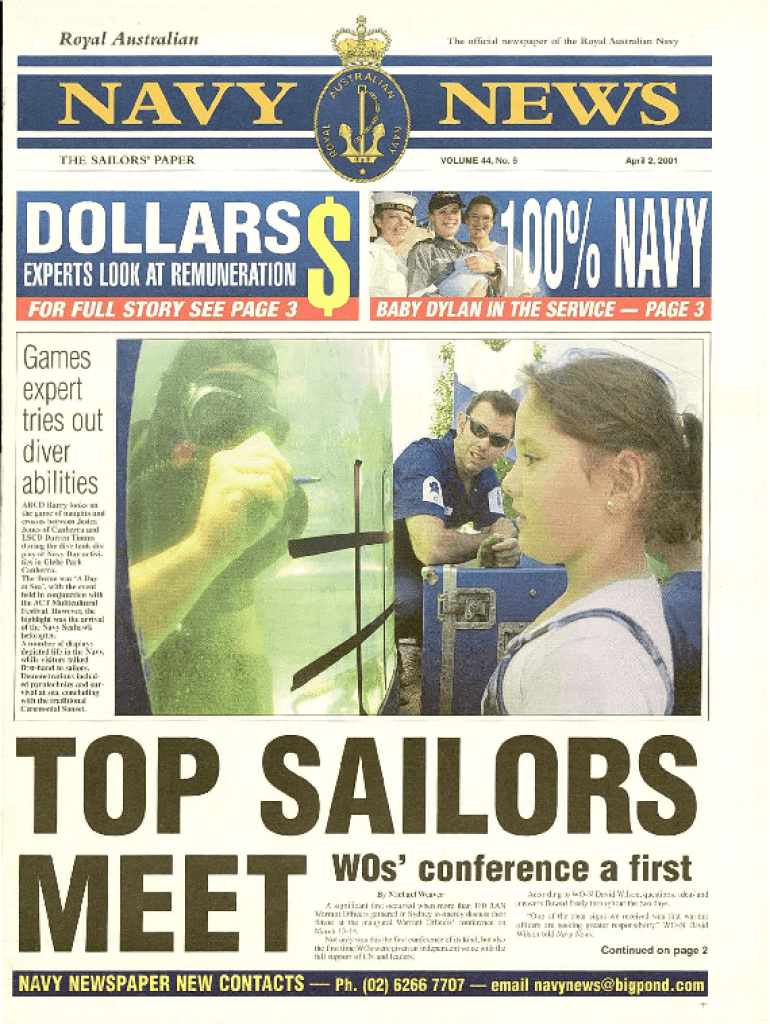
The term "Canberra: US commissions first Navy warship in foreign port" refers to a significant milestone in naval history where the United States Navy commissioned a warship in a foreign port, specifically in Canberra, Australia. This event marks a pivotal collaboration between the US and Australian navies, showcasing international maritime partnerships. Such a commissioning ceremony signifies the official entry of a naval vessel into active service, complete with traditional naval rites and protocols.
Importance of International Naval Collaboration
Naval collaboration between the US and Australia reflects strategic alliances and mutual interests in maintaining regional stability and security. These partnerships are vital for sharing resources, intelligence, and technology, enhancing joint operational capabilities. By commissioning a warship in a foreign port, both nations demonstrate their commitment to cooperative security efforts and the importance of maritime presence in geopolitically significant regions.
How to Use the Commemorative Event
This historical event can be leveraged for educational purposes, fostering a deeper understanding of naval operations and international relations. Universities and military academies may incorporate this case into their curriculum to illustrate the significance of bilateral defense collaborations. Additionally, it can serve as a case study for discussions in history and political science courses focusing on modern military alliances.
Steps to Organize a Commissioning Ceremony
-
Selection of the Location: A suitable port is chosen considering factors such as strategic importance and logistical feasibility.
-
Coordination with Foreign Governments: Diplomatic channels are engaged to secure necessary permissions and support.
-
Invite Dignitaries and Stakeholders: Notable military and government officials are invited to attend the event.
-
Ceremony Planning: Traditional naval rituals and protocol are integrated into the ceremony.
-
Media Coverage and Public Engagement: Ensure adequate media presence and public awareness to highlight the event’s significance.
Key Elements of the Event
-
Ceremonial Traditions: Include the ship’s christening, raising the national flag, and the first official orders given to the vessel.
-
Speeches by Officials: Addresses by naval and governmental leaders emphasizing the strategic alliance and mutual benefits.
-
Public Participation: Engaging the local community and dignitaries fosters greater public understanding and support for the naval mission.
Legal and Operational Implications
Commissioning a warship in a foreign country involves legal agreements and operational protocols ensuring adherence to international law. This includes matters related to jurisdiction, the crew’s legal standing, and operational guidelines in the host nation’s waters. Such agreements underline the respect for sovereignty while fostering collaborative defense operations.
Examples of Past Naval Collaborations
Similar events in history serve as benchmarks, highlighting successful international naval collaborations. For instance, the joint exercises in the Pacific Rim or the NATO naval exercises illustrate the practice and benefits of multinational naval cooperation. These examples showcase how collaborative missions enhance global maritime security and preparedness.
Differences When Done Domestically vs. Internationally
-
Logistical Challenges: International commissioning may involve complex logistics related to transport and coordination across jurisdictions.
-
Cultural and Diplomatic Sensitivities: The need for careful handling of cultural and diplomatic nuances when operating within a foreign nation’s territory.
-
Media and Public Perception: Engaging with international media to accurately represent the event’s significance and foster positive international relations.
Software and Tools for Virtual Engagement
In today’s digital age, using platforms such as virtual reality and live-streaming technologies can facilitate broad participation and engagement. Software like Zoom or WebEx can host virtual ceremonies for global audiences, while social media can provide real-time updates and interactions. This digital approach ensures widespread accessibility and participation irrespective of geographical barriers.
Conclusion
The commissioning of the first US Navy warship in a foreign port serves as a resounding testament to the power of international alliances and the strategic importance of maritime presence. It offers a rich subject for study and discussion, illustrating how such events propel diplomatic, educational, and operational advancements in global naval operations.