Definition & Meaning
The concept "in the arts" encompasses a broad spectrum of activities, disciplines, and industries related to creative expression. It includes visual arts like painting and sculpture, performing arts such as theatre and dance, and literary arts, covering writing and poetry. Each of these disciplines contributes to cultural enrichment, aesthetic innovation, and societal commentary. Understanding what "in the arts" entails allows individuals and organizations to fully engage with and appreciate various forms of artistic expression and to support or participate in related initiatives effectively.
How to Use "In the Arts"
Utilizing "in the arts" involves engaging with artistic disciplines in a way that aligns with personal or organizational objectives. For individuals, this can mean attending performances, exhibitions, or participating in workshops. For businesses and educational institutions, leveraging "in the arts" might entail incorporating creative elements into curriculums, commissioning artwork, or hosting community art events. Active participation and support can enhance cultural literacy, foster creativity, and contribute to a vibrant cultural landscape.
Steps to Complete Forms Related to "In the Arts"
- Identify Purpose and Requirements: Begin by understanding the specific purpose of the form within the context of a particular art-related initiative or requirement.
- Gather Necessary Information: Collect all required details, including personal data, project descriptions, and supporting documentation.
- Complete Form Fields Accurately: Carefully fill out each section of the form, ensuring that all information is accurate and consistent with any attached documentation.
- Review and Revise: Double-check all entries for errors or omissions. Make any necessary corrections to avoid delays in processing.
- Submit Using Appropriate Method: Depending on the form's guidelines, submit it online, via mail, or in person to the specified address or through the designated digital platform.
Key Elements of Forms in the Arts
Forms related to "in the arts" often include several essential components that ensure clarity and facilitate smooth processing:
- Purpose Statement: Defines the specific aim of the form and what it seeks to accomplish.
- Personal and Professional Information: Collects data about individuals or organizations involved, including contact details.
- Project Description: Provides in-depth information on the artistic initiative, including goals, methodologies, and expected outcomes.
- Budget and Funding Details: Outlines the financial aspects, including budgets, funding sources, and any associated costs.
- Authorization and Signatures: Requires formal acknowledgment and approval by relevant parties.
Who Typically Uses Forms in the Arts
Forms related to "in the arts" are primarily utilized by a diverse array of individuals and organizations involved with artistic endeavors. This includes:
- Artists and Creators: Individuals seeking grants, exhibitions, or participation in festivals and events.
- Arts Organizations and Institutions: Museums, galleries, theaters, and educational bodies applying for funding or partnerships.
- Government and Regulatory Bodies: Agencies overseeing compliance with arts funding regulations and public art initiatives.
- Community and Cultural Groups: Initiatives seeking resources to support local arts programs and public engagement activities.
Legal Use of Forms in the Arts
Properly utilizing forms associated with "in the arts" ensures compliance with legal and regulatory guidelines that govern the arts sector:
- Copyright and Intellectual Property: Facilitating the protection of creative works through documentation and formal registration processes.
- Funding and Grants: Applications for public and private funding must adhere to outlined legal criteria and submission guidelines.
- Exhibitions and Performances: Permissions and rights clearance for showcasing or performing artistic works in various settings.
- Public Art Projects: Legal requirements for installation, maintenance, and rights management for art in public spaces.
State-Specific Rules for "In the Arts"
Each state in the United States may have different regulations and support mechanisms for initiatives "in the arts." These variations can include:
- Funding and Grants: State-level art councils often offer specific grants with unique criteria and procedures.
- Public Art Programs: Requirements and opportunities for public art can vary widely, including processes for approval and installation.
- Education and Curriculum Standards: Policies can impact how the arts are incorporated into educational systems and public institutions.
- Cultural Heritage Protection: States may have distinct laws regarding the preservation and recognition of culturally significant art.
Examples of Using "In the Arts"
Various scenarios illustrate the application of forms and processes "in the arts":
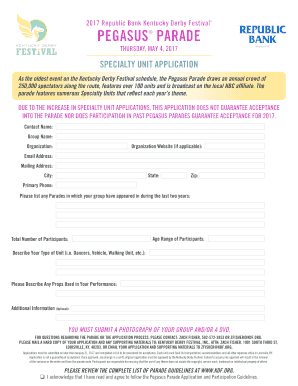
- Grant Applications: An independent filmmaker applies for state funding to produce a documentary. The form requires detailed descriptions of the project scope, anticipated impact, and a breakdown of required resources.
- Exhibition Proposals: A visual artist submits a proposal to a gallery, including artistic statements, visual samples, and logistical plans for an upcoming exhibition.
- Public Art Installations: A municipality commissions a sculptor to create a public work. The application includes legal agreements, design plans, and maintenance provisions to comply with state regulations.
Exploring these examples provides insight into the functionality and relevance of forms in facilitating and supporting creative endeavors within the arts sector.