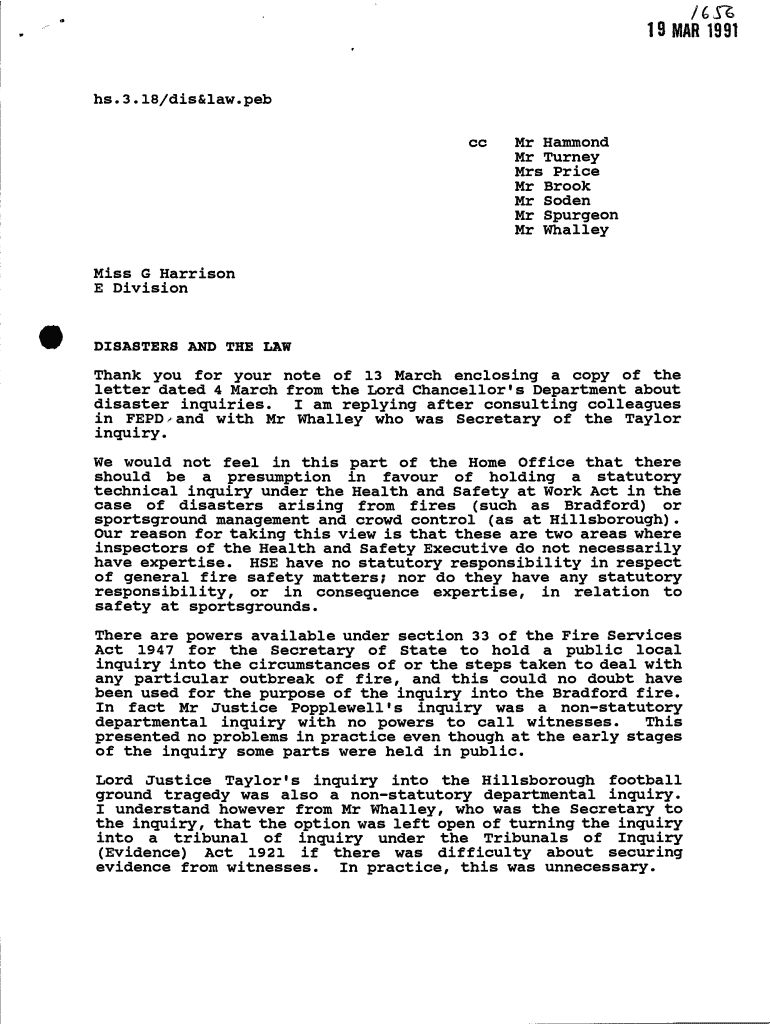







Definition and Meaning
The "18 disandamp" form is a pivotal document often employed for specific legal or procedural purposes. It serves as a foundational tool for ensuring compliance, accurate data recording, or facilitating a transaction. Understanding its definition and meaning is crucial for proper application and avoiding potential issues related to misinterpretation. For those navigating this form, comprehension of its purpose can lead to better utilization and integration into related processes. Multiple sectors might use or require this form, making its meaning context-dependent and potentially varying across different uses.
Steps to Complete the 18 disandamp
Successfully completing the 18 disandamp involves understanding each section of the form and ensuring accurate and thorough responses:
-
Gather Information: Before starting, prepare all required documentation and personal information, as detailed understanding and completion depend on this preparatory step.
-
Read Instructions Carefully: Instructions accompanying the form provide critical information that can clarify specific questions and details about required documents.
-
Fill Out Personal Details: This often includes the name, contact information, and any identification numbers required.
-
Complete the Required Sections: Follow the sequence provided in the form, and ensure that all mandatory fields are filled for a successful submission.
-
Review and Double-Check: Errors can lead to delays or rejections, so verify all entries for accuracy.
-
Submit the Form: Depending on the submission method, ensure the form is correctly sent to the appropriate entity or platform.
Required Documents
Preparation of the proper documentation is vital to streamline the process of completing the 18 disandamp. Essential documents might include identification, prior correspondence, or any other supporting materials pertinent to the form's purpose. These documents serve as foundational evidence or support, validating the data and information provided. Ensuring all requisite documents are collected can prevent incomplete submissions and facilitate smoother processing.
Legal Use of the 18 disandamp
The legal framework surrounding the 18 disandamp stipulates how it should be used and the legal requirements for its use. Understanding these legal uses ensures compliance with relevant laws and guidelines. The form might be used to verify compliance with state or federal regulations, provide evidence in legal proceedings, or fulfill statutory obligations. Ignorance of these legal aspects can lead to non-compliance penalties or legal disputes. It's crucial to consult legal guidance if there's any uncertainty about these obligations.
Who Typically Uses the 18 disandamp
Various individuals and entities might find the 18 disandamp relevant. This includes businesses that require compliance with a specific regulatory practice, individuals in need of documenting information for legal purposes, or professional services that need to file regularly. Identifying who typically uses this form can provide insights into its practical applications and the scope of its utility across different contexts and sectors.


Software Compatibility
Ensuring compatibility with digital platforms is essential for those opting to complete the 18 disandamp electronically. Software such as TurboTax or QuickBooks may offer features that streamline this process, making the form more accessible and easier to manage. Compatibility with these programs provides users with the ability to integrate the form into their existing financial or organizational software. This synergy enhances efficiency and accuracy in the form's completion and submission.
Filing Deadlines and Important Dates
Adhering to the proper timeline is crucial when dealing with the 18 disandamp. Deadlines and important dates associated with the form must be carefully noted to avoid penalties. Understanding each stage of the form process, from acquisition to final submission, ensures that all requirements are met within the legal timeframe. Prompt submission avoids unnecessary complications or sanctions.
Penalties for Non-Compliance
Failing to comply with the necessary requirements or deadlines associated with the 18 disandamp can lead to significant consequences. Penalties might include fines or other legal sanctions, depending on the non-compliance's severity and jurisdiction. Being aware of these potential penalties highlights the importance of thoroughness and punctuality in the form's completion and submission. Proper adherence to the form’s guidelines prevents legal issues and ensures smooth processing.