






Definition & Meaning
The "House of Commons - Environment, Transport and" relates to committees or sessions within the House of Commons that focus on policies and discussions in areas such as environmental protection, transportation systems, and related public policy. These sessions are critical for shaping legislation affecting national transport infrastructure, environmental regulations, and sustainable development initiatives.
- Environment: This involves policies concerning climate change, pollution control, conservation of natural resources, and sustainable practices.
- Transport: Includes the development and regulation of national and regional transportation networks, public safety measures, and innovation in transport systems.
How to Use the House of Commons - Environment, Transport and
Engaging with the House of Commons sessions on environment and transport matters can offer insights into upcoming legislative changes that might impact business and daily life.
- Stay Informed: Monitor announcements and publications from these sessions as they provide updates on policy shifts and legislative proposals.
- Advocacy: Participate in public consultations to provide input on proposed policies affecting environmental and transport sectors.
- Research: Use transcripts and reports from these sessions for academic, policy, or strategic business planning.
How to Obtain Access to Sessions
Gaining access to information and sessions related to the House of Commons debates and discussions can be done in several ways:
- Public Archives: Access past sessions and reports through public archives available on official government websites.
- Live Streams: Many sessions are broadcast live online, providing real-time access to discussions.
- Public Attendance: Sign up to attend sessions in person if allowed; often these require pre-registration due to limited seating availability.
Steps to Complete Engagement
Participating or understanding the House of Commons sessions requires several steps to ensure effective engagement:
- Identify Relevant Topics: Start by pinpointing which discussions are pertinent to your interests or industry.
- Gather Resources: Collect all necessary documents, prior reports, and session schedules.
- Engage with Materials: Study materials in advance to familiarize yourself with the topics.
- Active Participation: If permitted, contribute through public consultations or by contacting representatives with concerns or suggestions.
Key Elements of the House of Commons - Environment, Transport and
Key elements driving discussions in the House of Commons concerning environment and transport include:
- Legislative Proposals: New laws or amendments affecting the environment and transportation sectors.
- Public Opinion: How citizen feedback influences policy directions.
- Technological Advances: Adoption of new technologies to improve environmental outcomes and transport efficiency.
Important Terms Related to Environment and Transport
Understanding key concepts and terminologies used in the discussions can aid in grasping the nuances of policy-making:
- Sustainable Development: Strategies aimed at meeting present needs without compromising future generations.
- Carbon Footprint: The total greenhouse gas emissions caused by an individual, event, organization, service, place, or product.
- Multi-Modal Transport Systems: Integration of different modes of transport to increase efficiency and reduce carbon emissions.
Examples of Implementation
Implemented by national governments, these policies impact local transport systems and environmental projects:
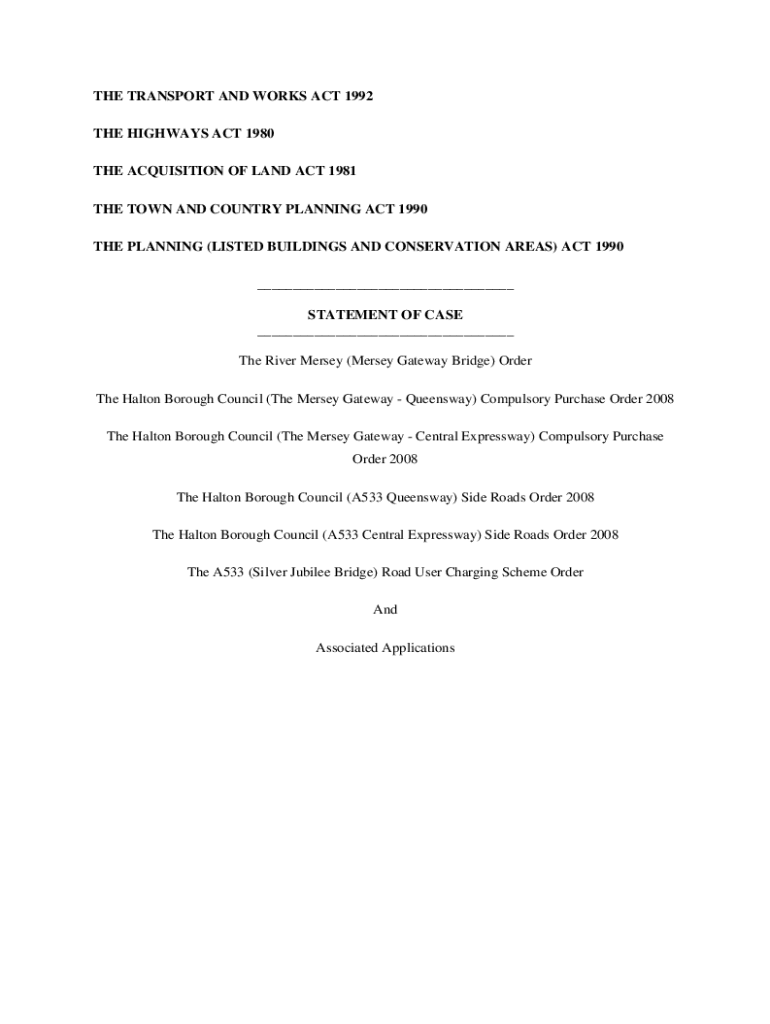
- Case Study - Mersey Gateway Project: Discusses public interest benefits, improving transport links and fostering economic growth.
- Renewable Energy Projects: Policies promoting wind, solar, and other renewable energy sources.
Legal Use of Discussions
Legal implications of decisions made in the House of Commons can affect compliance:
- Compliance Requirements: Industries must adhere to the legal frameworks established by these discussions.
- Environmental Impact Assessments (EIA): Required for significant projects affecting the environment.
State-by-State Differences
While the House of Commons manages nationwide policies, states or regions may have varying adaptations:
- Local Ordinances: States may implement additional regulations to address specific environmental or transport challenges.
- Flexibility in Implementation: Variations exist based on geographical, cultural, and economic differences.
Providing comprehensive coverage of these elements allows individuals and organizations to effectively navigate the implications and applications of decisions made in the House of Commons related to environment and transport.