






Definition & Meaning
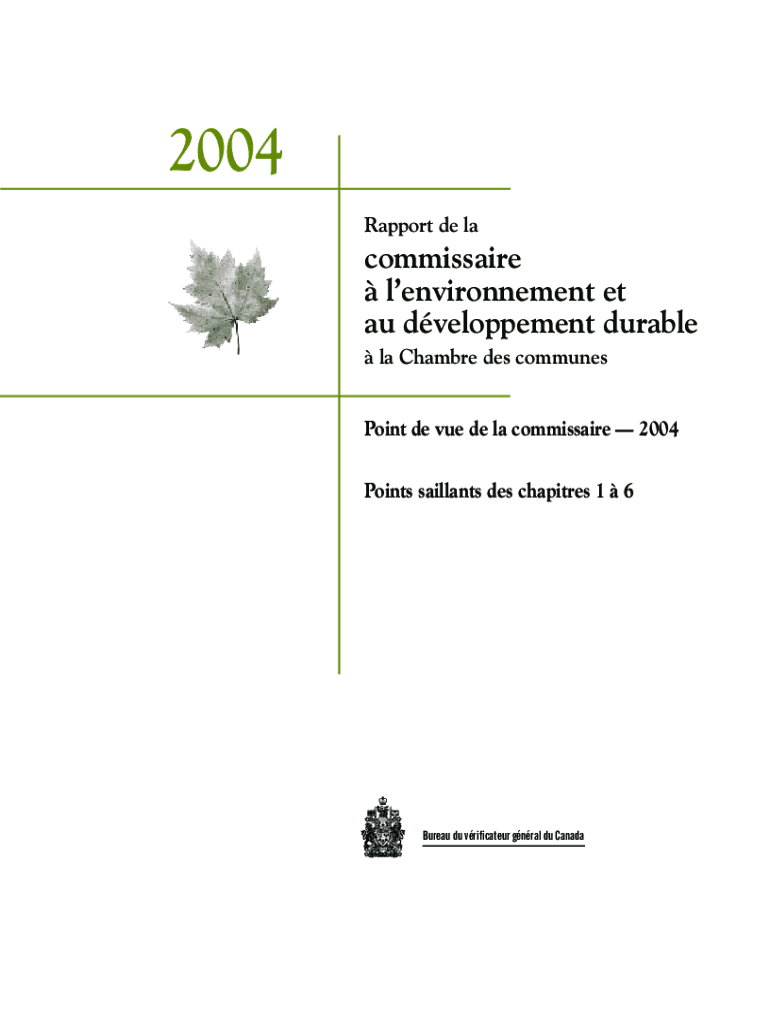
The "Sous-ministre du commerce international - Cahier d'information" serves as a comprehensive briefing document, designed to inform and guide stakeholders involved in international trade. This document is critical for understanding policy frameworks, trade agreements, import and export regulations, and operational procedures within the context of international commerce. It is instrumental in ensuring that the stakeholders are well-equipped with the necessary knowledge to engage in trade activities that conform to legal and economic standards.
Key Elements of the Cahier d'information
- Trade Policy Overview: Provides a detailed analysis of current trade policies, including objectives, strategies, and impacts on international trade relations.
- Regulatory Compliance: Information on compliance requirements, covering import and export regulations, tariffs, and taxation.
- Economic Data: Includes statistical insights and trends related to trade volumes, economic forecasts, and bilateral agreements.
- Stakeholder Roles: Outlines the roles and responsibilities of various stakeholders involved in international trade, ensuring clarity on participation and accountability.
- Resources and Support: Details on available resources such as trade assistance programs, financial incentives, and support networks.
How to Use the Cahier d'information
- Initial Review: Thoroughly read the document to understand its scope and purpose.
- Identification of Relevant Sections: Highlight sections most pertinent to your role or interest, such as policy changes, economic data, or compliance guidelines.
- Integration into Decision-Making: Utilize the insights and information to inform strategic decisions and operational plans.
- Ongoing Reference: Keep the document accessible for continued reference, especially when engaging in new trade activities or policy discussions.
Steps to Complete the Cahier d'information
- Gather Information: Collect relevant data and documents required for the completion of the report.
- Document Drafting: Prepare draft sections, ensuring accuracy and completeness of all information.
- Review and Verification: Conduct a thorough review for factual correctness and regulatory compliance.
- Finalization: Make necessary revisions based on feedback from stakeholders, ensuring a polished and accurate final version.
- Approval and Distribution: Secure necessary approvals and distribute the finalized document to all relevant parties.
Legal Use of the Cahier d'information
The "Sous-ministre du commerce international - Cahier d'information" must be used in a manner that adheres to all legal stipulations surrounding confidentiality and trade policy dissemination. Ensuring that all shared information is accurate and complies with legal standards is crucial to maintaining trust and credibility within the international trade community.
Who Typically Uses the Cahier d'information
- Government Officials: Policy makers and administrative officials involved in shaping and implementing international trade policies.
- Trade Compliance Officers: Professionals ensuring adherence to trade regulations and policies.
- Business Executives: Leaders in companies engaging in or considering international trade activities.
- Legal Advisors: Attorneys and legal professionals providing guidance on compliance and trade-related legal issues.


Important Terms Related to Cahier d'information
- Trade Agreement: A formal arrangement between two or more countries regarding trade policies.
- Tariffs: Taxes imposed on imported goods and services.
- Import Regulations: Rules governing the importation of goods into a country.
- Bilateral Relations: Political, economic, or social relations between two sovereign states.
- Compliance: Ensuring adherence to laws, regulations, and guidelines within international trade practices.
Software Compatibility
The document is typically available in various digital formats compatible with common software tools used in professional and governmental settings, such as PDF readers, DOC editors like Microsoft Word, and integrated platforms like DocHub. This compatibility ensures ease of access and the ability to annotate or edit as necessary.