
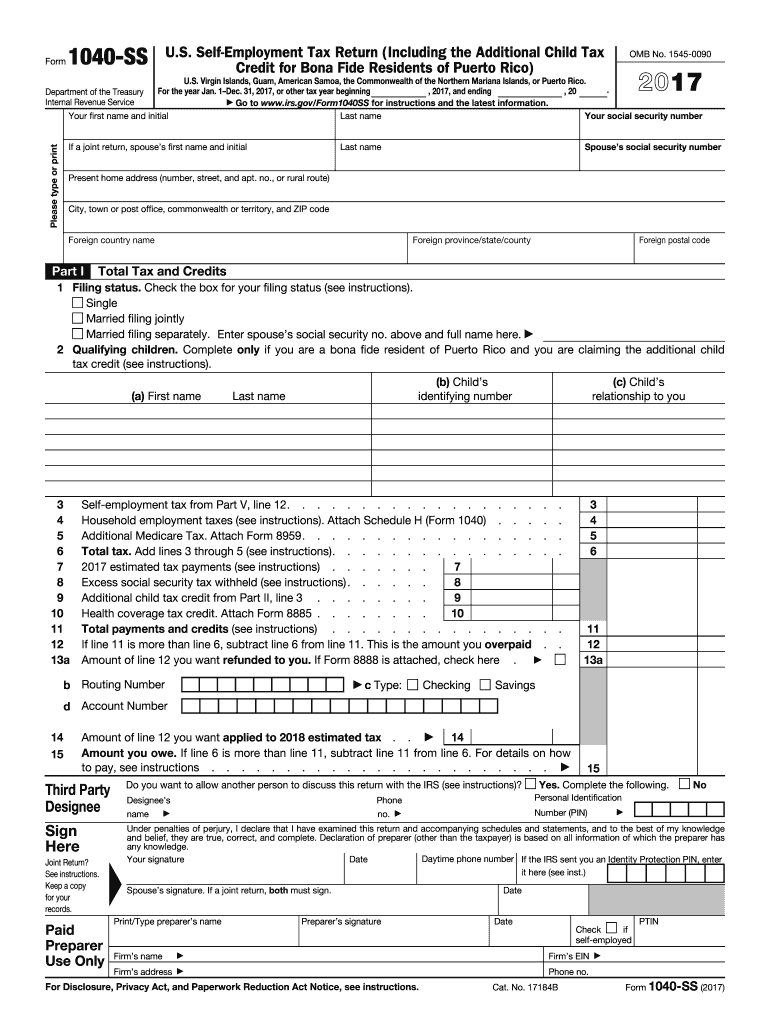







Definition & Meaning
Estimated tax payments are prepayments made towards potential tax liabilities throughout the year, rather than paying a large amount at once at the end of the year. The 2017 estimated tax payments are specific to the tax year 2017, where individuals or businesses preemptively pay taxes, typically on a quarterly basis, to avoid underpayment penalties. The aim is to align tax payments with income earned and taxed quarterly, particularly useful for those without tax withholding from a paycheck, like self-employed individuals.
How to Use the 2017 Estimated Tax Payments (See Instructions)
Using the 2017 estimated tax payments involves calculating your expected tax liability and making periodic payments. Here’s a step-by-step guide:
-
Estimate Your Income: Predict your annual income from all sources, including salary, dividends, and business earnings.
-
Calculate Taxes Owed: Utilize the tax rates, credits, and deductions applicable for 2017 to determine your projected tax liability.
-
Divide Payments: Split your total estimated taxes into four equal payments, aligning with IRS quarterly due dates.
-
Submit Payments: Use Form 1040-ES vouchers to send your payments to the IRS, ensuring each payment is submitted by the quarterly deadline.
Steps to Complete the 2017 Estimated Tax Payments (See Instructions)
Properly completing the 2017 estimated tax payments form involves specific steps:
-
Collect Financial Information: Gather all necessary income documents, such as W-2s, 1099s, and bank interest statements.
-
Use Tax Calculation Worksheets: Refer to the estimated tax worksheets in the 1040-ES instructions to compute your obligations for the year.
-
Determine Payment Amounts: Based on your calculations, decide the amount to be paid each quarter.
-
Fill Out Form 1040-ES: Complete the applicable sections of the form for each quarterly payment.
-
Make Payments: Submit payments through the IRS electronic payment system, mail, or in-person to confirm timely delivery.
Important Terms Related to 2017 Estimated Tax Payments (See Instructions)
Understanding specific terms associated with 2017 estimated tax payments is crucial:
- Withholding: Portion of income directly deducted by employers as advance tax payment.
- Self-Employed Tax: This encompasses both Social Security and Medicare taxes for self-employed individuals.
- Safe Harbor Rule: Protects taxpayers from penalties if payments total at least 90% of the current year’s tax or 100% of the previous year’s liability.
- Quarterly Due Dates: Specific IRS deadlines for paying estimated taxes, typically April, June, September, and January.
IRS Guidelines for 2017 Estimated Tax Payments
The IRS provides guidance on who should make estimated payments and how. Key guidelines include:
- Eligibility: Required for those expecting to owe $1,000 or more in taxes after withholding and credits.
- Avoiding Penalties: Payments must be made on time; penalties apply to underpayments.
- Special Rules for Farmers and Fishermen: These groups often have different payment requirements.
Filing Deadlines / Important Dates
Staying aware of critical filing dates is essential to avoid late fees:
- Payment Deadlines: April 15, June 15, September 15, and January 15 of the next year.
- Annual Tax Return: Must be filed by April 15 unless an extension is requested.
Required Documents
Key documents necessary for determining estimated tax liability and filing include:
- Prior Year’s Tax Return (Form 1040): Offers a baseline for estimating current year taxes.
- Current Financial Records: Income statements, projected expenses, and any expected deductions.
Penalties for Non-Compliance
Failing to comply with estimated tax requirements can lead to various penalties:
- Underpayment Penalty: Imposed when insufficient estimated taxes are paid over the year.
- Failure to Pay Penalty: Additional fees for not meeting payment deadlines.
These sections provide an in-depth examination of the 2017 estimated tax payments form, catering to individuals and businesses seeking clarity on expectations, processes, and compliance necessities.




