
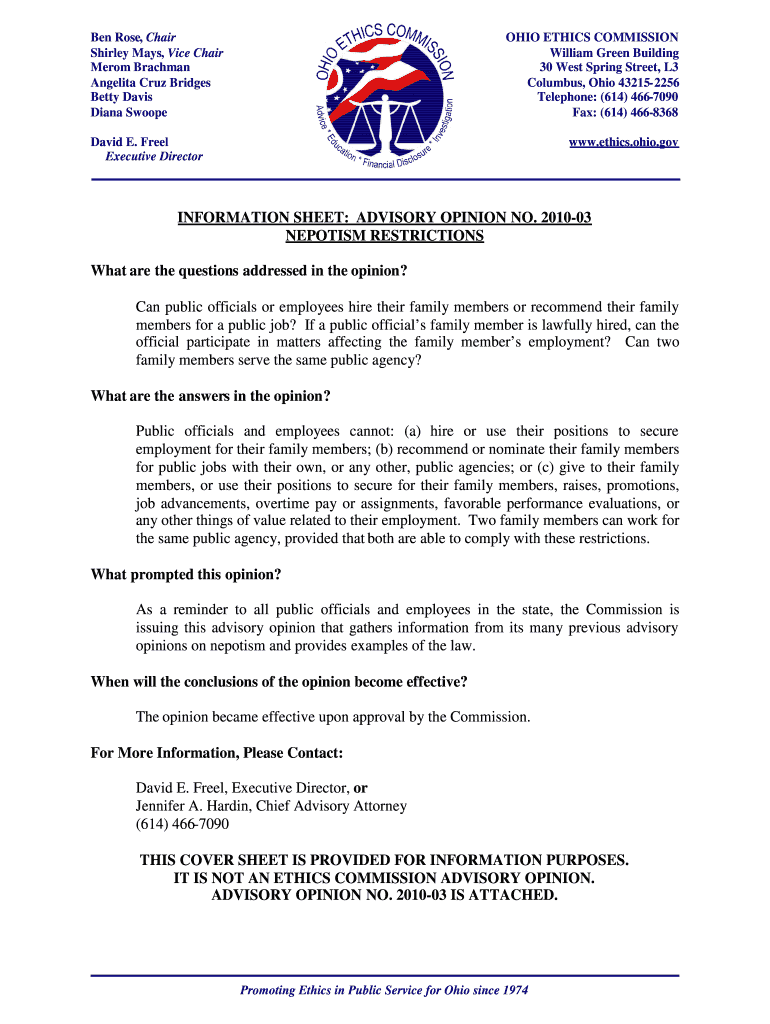







Definition & Meaning
The "Ben Rose, Chair" refers to a specific document or position, often associated with someone holding a significant role within an organization, such as a board of directors or a committee. The title suggests that Ben Rose may be an individual who heads meetings, oversees projects, or ensures governance within a particular context, like a corporate or non-profit setting.
Key Functions
- Setting agendas for meetings and ensuring topics are covered efficiently.
- Facilitating discussions during meetings to ensure all voices are heard.
- Serving as a tie-breaker in voting scenarios when necessary.
- Representing the committee or board in external affairs.
Practical Importance
- Ensures smooth and orderly meetings.
- Provides leadership and direction for the organization's goals.
- Acts as a liaison between the board and external stakeholders.
Steps to Complete the Ben Rose, Chair
- Preparation: Prior to undertaking duties as "Ben Rose, Chair," understand the organization's mission, current projects, and member roles.
- Meeting Planning: Develop a comprehensive agenda that includes all necessary topics, giving ample time for important decisions.
- Conducting Meetings: Lead the meeting by following the agenda, managing time efficiently, and ensuring inclusive participation.
- Decision-Making: Facilitate decision-making processes, ensuring all viewpoints are considered before reaching a consensus.
- Follow-Up: After meetings, summarize decisions and actions needed, distributing minutes and tasks to relevant participants.
Tips for Success
- Stay neutral in discussions to ensure fair decision-making.
- Be well-prepared with background information on topics to be discussed.
- Encourage participation from all members to gather diverse perspectives.
Important Terms Related to Ben Rose, Chair
Key Terminology
- Quorum: The minimum number of members required to be present for meetings to be valid.
- Minute-Taking: Recording discussions, decisions, and actions during meetings.
- Agenda: A structured outline of topics to be discussed during a meeting.
- Voting Rights: Rights given to members on decisions that require a formal vote.
Contextual Usage
- Understanding these terms is crucial for anyone involved in board activities or organizational leadership to ensure operations run smoothly and legally.
Legal Use of the Ben Rose, Chair
Legal Considerations
- The role typically adheres to specific organizational bylaws and legal standards dictated by local, state, or federal regulations.
- Decisions made under "Ben Rose, Chair" must abide by ethical guidelines to avoid conflicts of interest.
- Transparency in meeting procedures and outcomes is often required to meet legal and ethical standards.
Compliance
- Ensure that all meeting procedures and decisions comply with the applicable laws and bylaws.
- Document all actions comprehensively to maintain a clear audit trail for legal and compliance purposes.
Key Elements of the Ben Rose, Chair
Essential Components
- Leadership: Capability to guide discussions and lead the group towards consensus.
- Diplomacy: Skill in negotiating between different viewpoints and mediating conflicts.
- Organization: Ability to organize meetings, set agendas, and manage time effectively.
- Communication: Strong verbal and written communication skills to articulate ideas clearly.
Impact
- These elements ensure that the responsibilities of the chair are fulfilled effectively, maintaining the organization's integrity and efficiency.
State-Specific Rules for the Ben Rose, Chair
Variations Across States
- Certain states may have specific regulations affecting how meetings are conducted and who can serve as a chair.
- Some states might require specific filings or notifications before and after meetings.
Considerations
- Stay informed about state-specific requirements or updates that might influence chair duties.
- Engage legal counsel or governance experts when necessary to ensure compliance.
Examples of Using the Ben Rose, Chair
Real-World Scenarios
- Board Decision-Making: Using a structured agenda to address company challenges and explore strategic opportunities.
- Conflict Resolution: Facilitating discussions between opposing factions within the board to ensure a peaceful resolution.
- Public Representation: Acting as the face of the organization during external events or press conferences.
Potential Challenges
- Balancing diverse opinions while maintaining fairness can be complex.
- Navigating legal responsibilities and ethical considerations requires diligence and care.
Who Typically Uses the Ben Rose, Chair


Common Users
- Board Members: Executives or directors within a company.
- Committee Leaders: Heads of subcommittees or special project teams.
- Organizational Heads: Presidents, CEOs, or other key figures who oversee company governance.

Benefits to Users
- Provides clarity and direction in decision-making processes.
- Ensures meetings are productive and outcomes are clear.
- Encourages compliance with organizational objectives and ethical guidelines.




