






Definition and Purpose of the County of Cuyahoga, Ohio
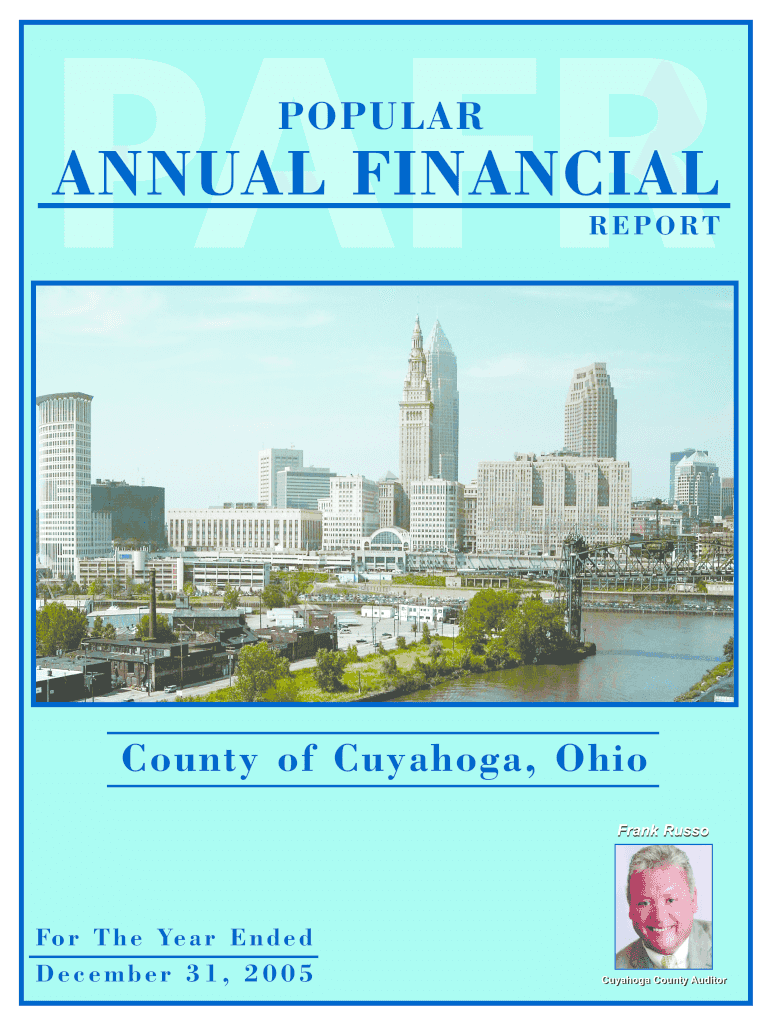
The County of Cuyahoga, Ohio is a regional governmental unit responsible for local administration and public services. Situated in the northeastern part of Ohio, it encompasses a broad range of cities, towns, and communities, with Cleveland as its county seat. Cuyahoga County plays a vital role in regional governance, managing various aspects of civic life, such as infrastructure, public health, and safety services. Understanding its structure and purpose is essential for residents, businesses, and stakeholders who engage with county systems for various needs, whether for personal, civic, or commercial purposes.
Steps to Engage with Cuyahoga County Services
Engaging with services provided by Cuyahoga County requires clear navigation of its processes and protocols. Services can range from property tax payments to business licenses and public health requirements. Here is a general framework on how to effectively approach these services:
-
Identify the Service Need: Determine the specific county service you require, such as applying for permits, paying taxes, or accessing public records.
-
Visit the Official Website: Access the Cuyahoga County official website for comprehensive information on services and departments.
-
Gather Necessary Documentation: Collect all required documents that pertain to the service, such as identification, property details, or previous records.
-
Follow Application Procedures: Adhere to specified guidelines for submitting applications, whether online, by mail, or in-person.
-
Monitor Application Status: Utilize tracking features or contact county offices directly to check the progress of your service request.
Who Typically Engages with Cuyahoga County Services
Cuyahoga County services attract a broad audience, including but not limited to:
- Residents: Individuals seeking public records, tax information, voter registration, or health services.
- Business Entities: Companies requiring business licenses, zoning approvals, or tax compliance assistance.
- Legal Professionals: Attorneys and legal aides accessing court records or legal filings.
- Developers: Real estate developers and construction firms seeking permits and compliance checks.
- Community Organizations: Nonprofits and advocacy groups accessing services for community welfare and development.
Key Elements of Cuyahoga County Services
Cuyahoga County offers a variety of elements that facilitate its service offerings:
- Online Portals: Digital access to forms, applications, and county records to streamline processes.
- Customer Support: Dedicated service lines and in-person assistance for queries and support.
- Transparency and Accountability: Public access initiatives that provide insight into county operations and financial health.
- Localized Governance: Regulations and ordinances tailored to the unique needs of the county's diverse communities.
Legal Use and Compliance in Cuyahoga County
Legal compliance is a cornerstone for interacting with Cuyahoga County services:
- Zoning Laws: Adherence to local zoning laws affecting construction and land use.
- Tax Obligations: Prompt and accurate fulfillment of county tax responsibilities to avoid penalties.
- Health Regulations: Compliance with health and safety regulations in alignment with public welfare goals.
- Business Licenses: Ensuring valid and updated licenses for all operational business activities.
Important Terms Related to Cuyahoga County Services
Understanding pertinent terminology enhances engagement with county services:
- County Auditor: Oversees financial transactions and tax assessments.
- Municipal Court: Jurisdiction over legal matters within city boundaries.
- Board of Elections: Manages and oversees electoral processes and voter registration.
- Public Health Department: Regulates health standards and offers community health programs.
State-Specific Rules and Cuyahoga County
State laws intersect with county regulations to form a comprehensive legal framework:
- Ohio Revised Code: Serves as the legal foundation for rules enforced at both state and county levels.
- Local Ordinances: County-specific laws addressing issues like noise, waste management, and community safety.
- State Mandates: Directives from Ohio state that must be integrated into county policies and regulations.
Digital vs. Paper Version of Cuyahoga County Forms
Efficiencies and differences exist between digital and paper interactions:
- Digital Forms: Provide rapid processing and electronic submitting options, reducing turnaround times.
- Paper Forms: Offer a traditional method for accessing services where digital means are not feasible.
- Security Measures: Both formats ensure that sensitive information remains protected throughout the submission process.
- Record Keeping: Digital versions often feature easier integration with digital record-keeping systems and databases.