



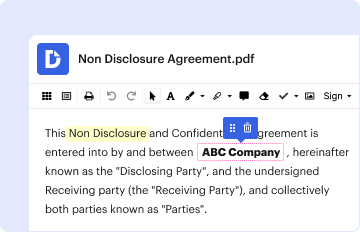
01. Edit your colorado form 106 instructions 2023 online
Type text, add images, blackout confidential details, add comments, highlights and more.

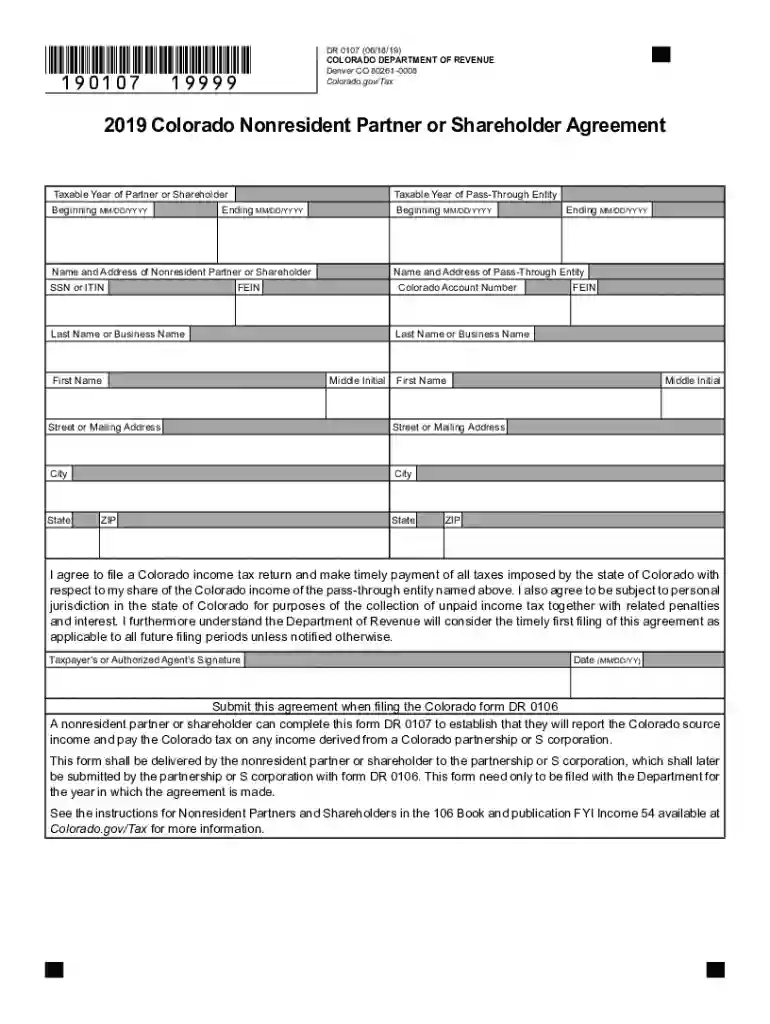
Type text, add images, blackout confidential details, add comments, highlights and more.
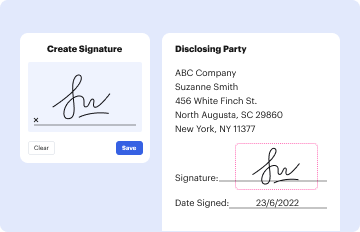
Draw your signature, type it, upload its image, or use your mobile device as a signature pad.

Send colorado form 106 instructions via email, link, or fax. You can also download it, export it or print it out.
The Colorado Form 106 is a tax document used by partnerships and S corporations operating in the state of Colorado. This form is essential in reporting income generated from sources within Colorado, especially for nonresident partners or shareholders. Form 106 ensures that these business entities comply with state tax regulations, paying the appropriate taxes on Colorado-sourced income. This form also includes details for composite filings and allows for the apportionment of income among various partners or shareholders.
Using the Colorado Form 106 involves several steps to ensure accuracy and compliance with state tax laws. Begin by gathering relevant financial documents, such as partnership agreements and income statements, to accurately report the business's financial activities. The form requires specific details about income, deductions, and tax credits pertaining to the business's operations within Colorado. Users must fill out sections regarding the apportionment of income to partners, ensuring that each shareholder's or partner's shares are correctly represented. Accurate submission of this form is crucial for avoiding penalties and ensuring that the business remains in good standing with state tax authorities.
Gather Required Financial Information: Collect information about income, deductions, and credits. Ensure that all financial records are up to date and accurate.
Fill Out Identification Section: Enter the partnership or S corporation’s details, including the business name, address, and federal employer identification number (FEIN).
Report Income and Apportionment: Provide details about Colorado-source income and apportion it among partners or shareholders as required. Include the name and identification number for each partner and the percentage of income distributed to them.
Complete the Tax Calculation: Calculate the total tax owed based on the apportioned income. Include any eligible tax credits or deductions to ensure accurate tax liability.
Review and Sign the Form: Double-check all entries for accuracy. Ensure that the responsible individual signs the form to validate the information provided.
Submit the Form: File the completed form to the Colorado Department of Revenue, either electronically or by mail, ensuring it is received by the tax deadline to avoid penalties.
The preparation of Colorado Form 106 requires several supporting documents to ensure accurate and compliant submission:
The filing deadline for Colorado Form 106 typically coincides with the federal partnership tax return deadline, which is March 15 for calendar-year taxpayers. For fiscal year filers, the deadline is the 15th day of the third month following the close of the fiscal year. It's crucial to adhere to these deadlines to avoid late filing penalties. If necessary, a six-month extension can be obtained by filing Colorado Form DR 0158-N before the original due date.
Colorado Form 106 is primarily used by partnerships and S corporations operating within the state. These entities often consist of:


Compliance with Colorado tax law requires correct utilization of Form 106. The form ensures legal reporting of income derived from Colorado sources, assisting in the proper calculation of taxes owed by partnerships and S corporations. Accurate filing of this form is vital to avoid legal ramifications such as penalties for misreporting or underpayment of taxes. Utilizing this form responsibly aids in maintaining the company's legal standing with state authorities.
Colorado imposes specific rules concerning the filing of Form 106 that businesses must follow:
Understanding and adhering to these rules is essential for accurate compliance and optimal tax liability management.
We've got more versions of the colorado form 106 instructions 2023 form. Select the right colorado form 106 instructions 2023 version from the list and start editing it straight away!
| Versions | Form popularity | Fillable & printable |
|---|---|---|
| 2025 | 4.5 Satisfied (30 Votes) | |
| 2024 | 4.2 Satisfied (35 Votes) | |
| 2023 | 4.1 Satisfied (60 Votes) | |
| 2020 | 4.8 Satisfied (73 Votes) | |
| 2019 | 4.2 Satisfied (117 Votes) | |
| 2018 | 4.4 Satisfied (119 Votes) | |
| 2016 | 4.4 Satisfied (501 Votes) | |
| 2015 | 4.1 Satisfied (36 Votes) | |
| 2014 | 4 Satisfied (32 Votes) | |
| 2013 | 4 Satisfied (37 Votes) | |
| 2011 | 4.2 Satisfied (41 Votes) |
At DocHub, your data security is our priority. We follow HIPAA, SOC2, GDPR, and other standards, so you can work on your documents with confidence.
This document was prepared by the U.S. Environmental Protection Agencys Technology Innovation Office under. EPA Contract Number 68-W-99-003.Read more
When a Drug Enforcement Administration (DEA) Form 106 is submitted to the DEA in instances involving controlled substances, a copy of the completed DEA Form 106Read more


