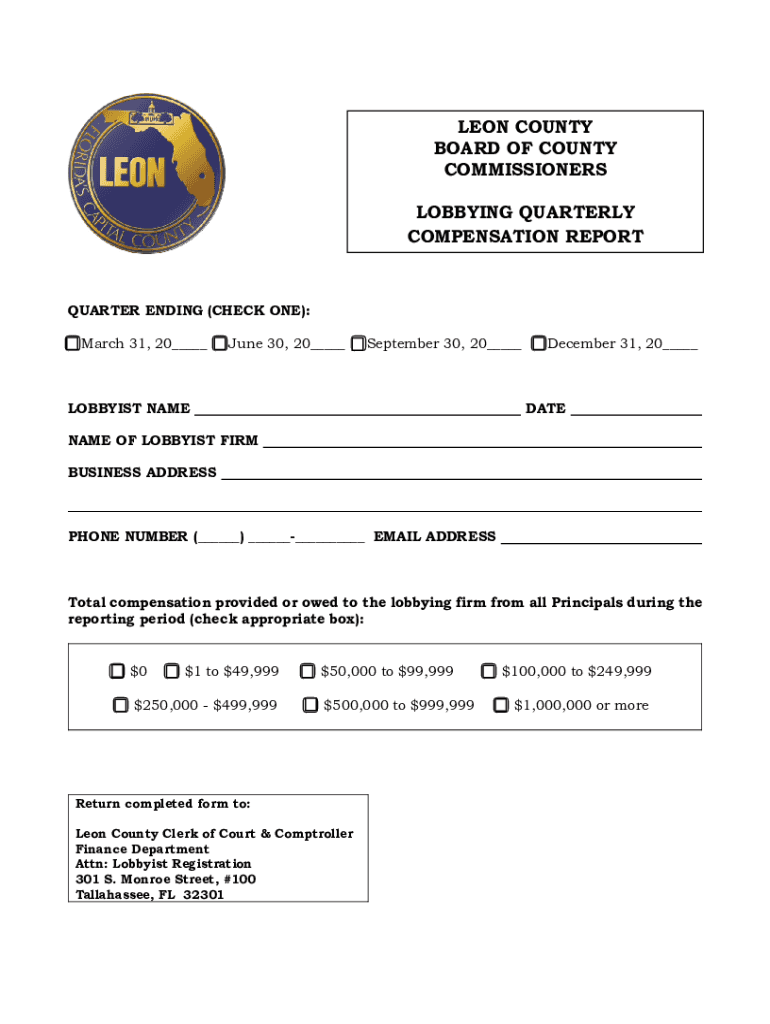







Definition and Meaning
The "ARTICLE XII - CODE OF ETHICSLeon County, FL" serves as a crucial framework outlining the ethical standards and conduct expected of individuals and organizations operating within Leon County, Florida. This code is designed to ensure transparency, integrity, and accountability in both government and public interactions. It covers provisions related to conflicts of interest, gifts and disclosures, and establishes the principles to guide ethical decision-making and conduct. By adhering to these guidelines, participants can maintain public trust and avoid legal entanglements.
Key Elements of the Code
The Code of Ethics includes several fundamental elements that are essential for maintaining ethical practices. These elements are:
- Conflict of Interest: Provisions that prevent officials from making decisions that benefit their personal interests.
- Gift Restrictions: Guidelines on receiving gifts to avoid any appearance of impropriety or undue influence.
- Disclosure Requirements: Mandates for public officials to disclose financial interests and potential conflicts.
- Enforcement and Penalties: Descriptions of consequences for violations, ensuring compliance with the code.
How to Use the Code
Understanding how to use the Article XII Code of Ethics is paramount for individuals involved in any governmental or public dealings within Leon County. Familiarity with the code allows users to:
- Identify Relevant Provisions: Use the index to navigate specific sections related to your role or situation.
- Apply Ethical Standards: Implement the guidelines in daily operations to ensure ethical behavior.
- Consult for Clarity: Reach out to the ethics commission or legal advisors if guidance is needed for complex situations.
Steps to Complete a Compliance Assessment
Adhering to the Code of Ethics requires a systematic approach to ensure full compliance:
- Review the Entire Code: Understand all relevant sections and appendices thoroughly before proceeding.
- Identify Your Specific Obligations: Relate each section to your personal or organizational role.
- Prepare Required Documentation: Compile necessary disclosures and documentation as per the provisions of the code.
- Conduct a Self-Assessment: Evaluate your current practices against the code to identify areas needing improvement.
- Submit Disclosures: File any required disclosures with the appropriate county authority for transparency.
- Monitor and Report: Continuously monitor adherence to the code and report any violations immediately.
Important Terms Related to the Code
Understanding terms commonly used within the Code of Ethics is critical to comprehending its requirements:
- Ethical Conduct: Actions reflecting integrity, fairness, and transparency.
- Public Trust: The obligation of officials to act in the best interest of the community.
- Accountability: The responsibility to explain and justify actions to stakeholders.
- Unethical Behavior: Any conduct contrary to the guidelines set by the code.
Legal Use of the Code
Legal compliance with the Code of Ethics ensures that individuals and organizations operate within the legal framework established by Leon County. The legal use involves:
- Adhering to Established Standards: Following rules as they are outlined within the code.
- Participating in Training: Engaging in ethics education programs sponsored by the county.
- Submitting Compliance Reports: Regularly providing documentation that demonstrates adherence to ethical standards.
State-Specific Rules for Leon County
While Leon County follows overarching ethical standards applicable in Florida, there are specific rules tailored for the county:
- Local Ordinances: Additional rules complementing the state ethics laws.
- County-Specific Forms: Documentation unique to the needs and regulations of Leon County.
- Special Committees: Boards or committees tasked with overseeing and enforcing local ethical standards.
Who Typically Uses the Code
The primary users of this Code of Ethics include:
- County Officials and Employees: Those working within the local government infrastructure.
- Contractors Engaging with the County: Businesses providing services or products to Leon County.
- Lobbyists and Advocacy Groups: Entities representing interests within the county requiring adherence to ethical guidelines.


Examples of Using the Code
Practical scenarios illustrating how the Code of Ethics is applied in real-life situations include:
- Contract Bidding: Ensuring fair competition and preventing conflicts of interest during the procurement process.
- Lobbying Activities: Guidelines for interactions between lobbyists and public officials to maintain transparency.
- Gift Acceptance: Properly disclosing and handling gifts to prevent any undue influence or perception of bias.
These examples underscore the importance of adhering to the code to maintain ethical standards and public confidence in the administration of Leon County's affairs.