







Definition and Meaning of "File a Petition to Change Your Name - namechangeselfhelp"
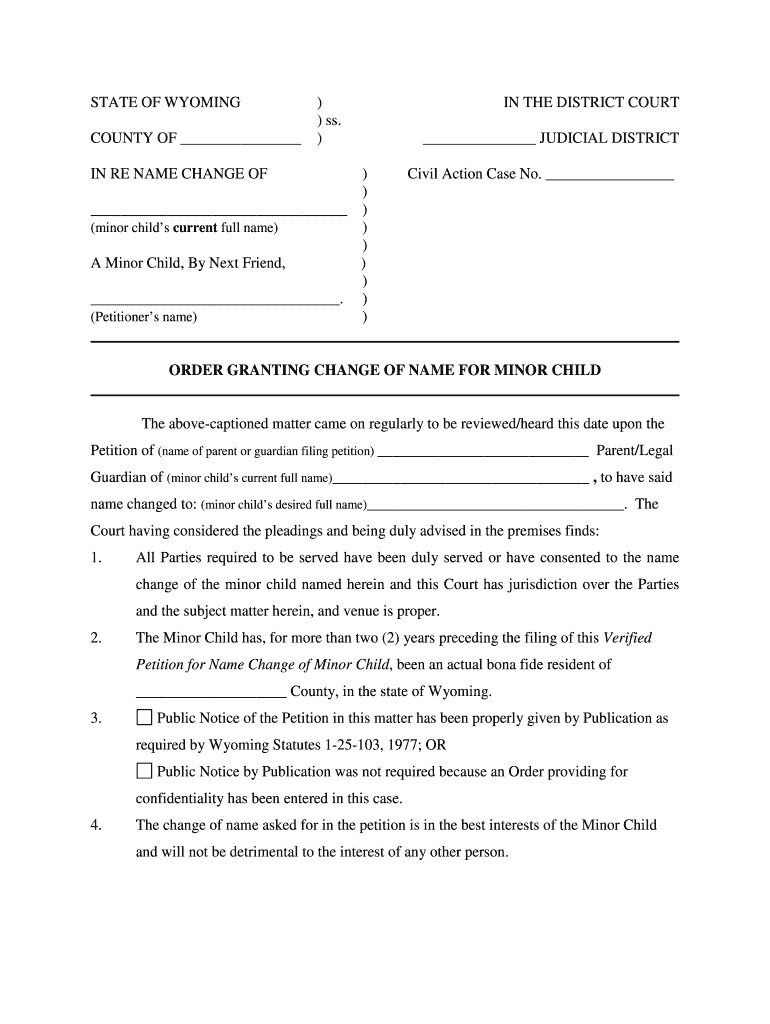
The "File a Petition to Change Your Name - namechangeselfhelp" form is a legal document used to initiate the process of legally changing a person's name. Typically, this involves the submission of a petition to a local court, where a judge will review the request and make a decision. This form serves as the foundational step in requesting a legal name change and ensures that all involved parties are properly informed and consent to the name change. The process supports individuals seeking to change their names due to personal, familial, or identity reasons, among others.
How to Obtain the Form
Securing the "File a Petition to Change Your Name - namechangeselfhelp" form can usually be done through several methods. Most courts offer downloadable versions on their official websites, often located in the family law section. Alternatively, individuals can visit their local courthouse to obtain a physical copy directly. Ensuring you have the correct form is crucial, as state-specific variations may exist, and using the wrong version could lead to delays or rejection.
Steps to Complete the Form
- Identify Jurisdiction Requirements: Determine the correct jurisdiction where you need to file the petition, as this will depend on your residency.
- Gather Required Information: Before filling out the form, collect all necessary personal details, including current legal name, proposed new name, and reason for the change.
- Completing the Form: Carefully fill in all sections of the form, adhering to any detailed instructions provided. Pay attention to sections requiring additional documentation or signatures.
- Notarization and Witnesses: Some jurisdictions require the form to be notarized, or may need witnesses for authenticity.
- Submit the Form: Submit the completed form to the appropriate court office as per their guidelines. Confirm whether you need to send it via mail, online, or deliver it in person.
- Pay Applicable Fees: Ensure that you pay any filing fees, which vary depending on the state or local court rules.
Required Documents for Submission
When filing a petition to change your name, several supporting documents may be necessary:
- Proof of Identity: A government-issued identification document, such as a driver's license or passport.
- Birth Certificate: Often required to verify your current legal name and date of birth.
- Social Security Card: To demonstrate social security number alignment with your new name.
- Proof of Residency: Documents such as utility bills or a lease agreement confirming your current address.
- Any Court Orders: If previous name changes or related legal matters have been issued, those may need to be included.
Why You Should File a Petition
Filing a petition for a name change provides legal recognition of your desired identity, which can be crucial for consistency across personal records and legal documents. Ensuring your name aligns with your identity can affect aspects like employment, travel, and legal rights. It can also be necessary for life events such as marriage, divorce, or for personal preference. Additionally, a formal name change may provide resolution to security matters, such as protection from identity theft.
Legal Use and Compliance
Using the "File a Petition to Change Your Name - namechangeselfhelp" form entails a commitment to legal compliance and accuracy. The court must be convinced that the request is sincere and free from intent to defraud or obstruct legal obligations. This form should be used transparently, with all required information and supporting documentation provided. Falsifying information on this form can lead to legal penalties, including fines or imprisonment.
State-Specific Rules for Filing
Each U.S. state may have specific criterion and procedural requirements for filing a name change petition:
- Age Regulations: Minors often need a parent or guardian to submit the petition on their behalf.
- Public Notice Requirements: Some states necessitate the publication of name change requests in local newspapers to inform the public.
- Waiting Periods: A mandated waiting period might exist from the time of filing until the hearing or final decision.
Familiarize yourself with your state's unique rules by checking local court resources or consulting with a legal professional.
Examples of Using the Form
A typical example involves an adult legally changing their last name following a divorce, aiming to revert to a maiden name or adopt a new identity. Another scenario includes parents filing for a minor's name change to reflect family status changes, such as adoption. In each example, the detailed completion of the form and compliance with state-specific laws are crucial to a successful name change process.
By thoroughly understanding and accurately completing the "File a Petition to Change Your Name - namechangeselfhelp," individuals can navigate the legal landscape of name changes effectively, ensuring their personal identity is properly recognized by the law.




