






Definition and Meaning of Company Organization Search
The Company Organization Search is a tool used to access detailed information about a company's structure, registration status, and operational licenses. It provides insights into the legal standing and various aspects of a company, including its board of directors, senior management, and statutory compliance. In essence, it serves as a critical resource for stakeholders looking to verify the legitimacy and structure of a company.
This search is particularly useful for business partners, investors, or regulatory bodies who need to confirm a company's legal and operational details. By understanding the search's purpose, users can effectively navigate the complexities of corporate information to make informed decisions.
How to Use the Company Organization Search
Using the Company Organization Search involves accessing a database that stores registered company profiles. Users typically begin by entering the company name, registration number, or other identifying details into the search platform. Depending on the jurisdiction, this search can be conducted through government websites, private databases, or authorized service providers.
Key steps include:
- Identify the Relevant Database: Different states or countries may have specific databases for company information.
- Enter Company Details: Provide the necessary information such as name, registration number, or tax identification code to retrieve accurate results.
- Review Company Details: Analyze the information retrieved, which may include directors' names, company status, and filed documents.
How to Obtain the Company Organization Search
Obtaining a Company Organization Search can often be done online through official government portals or third-party services that have access to business databases. The cost and availability of the search might vary based on local regulations and the depth of information required.
Certain steps to obtain the search include:
- Visit the Relevant Authority's Website: Begin by checking the official website of the business registry or equivalent authority in your jurisdiction.
- Payment of Fees: Some searches might require a nominal fee for access to detailed records. Ensure secure payment methods are used.
- Download or Print Results: Once the search is complete, the results can usually be printed or downloaded for future reference.
Steps to Complete the Company Organization Search
Performing a thorough Company Organization Search involves several steps to ensure comprehensive results. These steps ensure that users gather all relevant corporate information effectively.
- Access the Official Database: Start by navigating to the online portal of the official business registration body or a trusted third-party provider.
- Input Specific Search Parameters: Enter precise details like the company’s legal name or registration number to improve accuracy.
- Analyze the Results Provided: Scrutinize the output data, focusing on key details like registration status, director names, and annual filing history.
- Document the Findings: Compile the information gathered in a structured format to facilitate ease of reference.
Why Perform a Company Organization Search
Conducting a Company Organization Search is crucial for verifying the authenticity and legal status of a company. It helps stakeholders, such as potential business partners, investors, or regulatory bodies, ensure that the company is compliant with pertinent legal standards. This search also aids in the prevention of fraud and highlights any discrepancies in a company's reported information.
The benefits include:
- Risk Mitigation: Identifying potential red flags before engaging in business relationships.
- Regulatory Compliance: Ensuring that the company adheres to necessary statutory obligations.
- Informed Decision-Making: Providing a solid basis for strategic decisions regarding business collaborations.
Key Elements of the Company Organization Search
A successful Company Organization Search reveals key elements that define a company's operational and legal structure. These elements offer insights into various crucial aspects of a business.
Important components include:
- Business Registration Details: Information about the date of incorporation, type of entity, and jurisdiction.
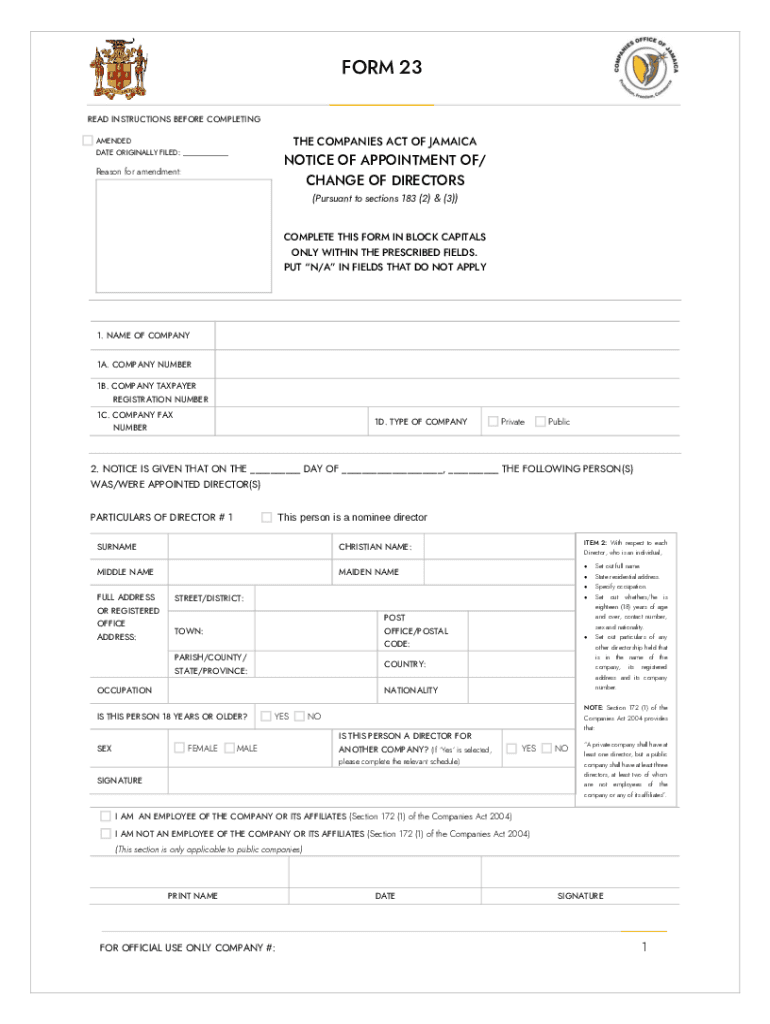
- Director and Officer Information: Names and addresses of company directors and key officers.
- Compliance and Filing Status: Records of compliance with mandatory filing requirements, such as annual reports.
Legal Use of the Company Organization Search
The Company Organization Search must be used in accordance with legal guidelines that govern privacy and data protection. It is designed to provide transparency into company operations while ensuring data is handled responsibly.
Legal uses encompass:
- Verification and Due Diligence: Checking the legitimacy and compliance status of potential business partners.
- Regulatory Monitoring: Ensuring ongoing adherence to regulatory standards by assessing a company's operational compliance.
Examples of Using the Company Organization Search
Practical applications of the Company Organization Search demonstrate its versatility in various business contexts. Real-world usage scenarios offer clarity on how this tool can be leveraged.
Scenarios include:
- M&A Transactions: Assessing target companies' legal standing and history before mergers or acquisitions.
- Supplier Verification: Ensuring suppliers are properly registered and compliant before establishing partnerships.
- Investor Confidence: Providing investors with validated data about company governance and financial liabilities.