






Definition and Purpose of the Vermont Brownfields Handbook
The Vermont Brownfields Handbook is a comprehensive guide designed by the Vermont Department of Environmental Conservation. It serves as an essential resource for developers, property owners, and community members engaged in brownfield redevelopment projects. Brownfields refer to properties where the presence or potential presence of hazardous substances complicates redevelopment. The handbook provides detailed information on the definitions, processes, and benefits associated with the redevelopment of these contaminated sites.
Benefits of Brownfield Redevelopment
Redeveloping brownfields comes with numerous benefits, including revitalizing communities, increasing property values, and reducing urban sprawl. By transforming previously underutilized or abandoned sites, communities can make better use of their existing infrastructure, leading to economic growth and improved public health. The handbook emphasizes the importance of these benefits in encouraging stakeholders to participate in brownfield projects.
How to Use the Vermont Brownfields Handbook
The Vermont Brownfields Handbook is structured to guide users through various phases of brownfield redevelopment. It is organized into sections that address key topics such as site assessment, remediation strategies, and legal considerations. Users are advised to familiarize themselves with the entire document for a comprehensive understanding, but can also refer to specific sections for targeted information as needed.
Key Sections for Reference
- Site Assessment: Detailed procedures for evaluating brownfield sites.
- Remediation Strategies: Methods and practices for cleaning up contaminated areas.
- Legal Considerations: Liability and legal protections available under state and federal laws.
Steps to Complete the Vermont Brownfields Redevelopment Process
Completing a brownfield redevelopment project involves several essential steps, as outlined in the Vermont Brownfields Handbook:
- Site Identification and Assessment: Conduct a thorough assessment to understand the extent of contamination and determine the viability of redevelopment.
- Engagement with Stakeholders: Collaborate with local government, developers, and community groups to ensure a cohesive redevelopment plan.
- Securing Funding and Grants: Apply for available grants from the Environmental Protection Agency (EPA) and state programs to assist in remediation efforts.
- Remediation and Cleanup: Implement appropriate cleanup strategies to mitigate environmental risks.
- Redevelopment and Reuse Planning: Define sustainable and beneficial uses for the site post-remediation.
Legal Protections and Liability in Brownfield Projects
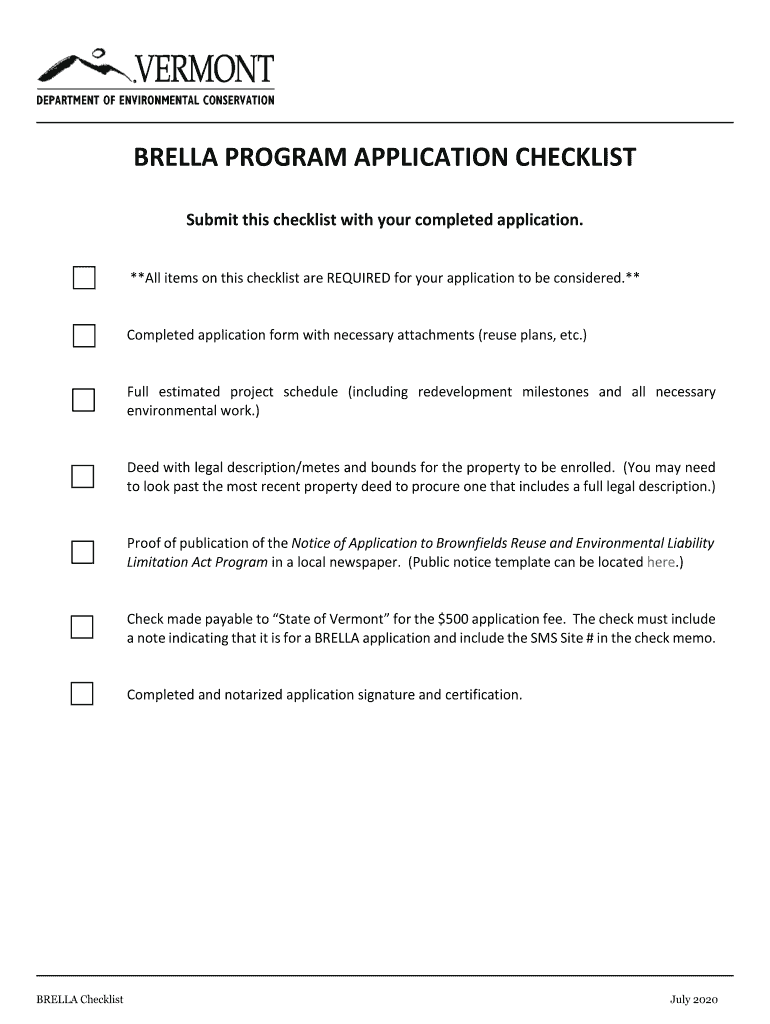
The Vermont Brownfields Handbook details legal protections available to developers and property owners under the Brownfields Reuse and Environmental Liability Limitation Act (BRELLA). This legislation provides liability protections to encourage the redevelopment of contaminated sites, minimizing the risk of legal repercussions related to historical contamination.
Key Legal Provisions
- Liability Protections: Safeguards against being held responsible for pre-existing contamination.
- Permits and Compliance: Guidelines for obtaining necessary permits and ensuring compliance with environmental regulations.
Important Terms Related to Brownfields
Understanding specific terminology within the Vermont Brownfields Handbook is crucial for effective navigation and utilization:
- Brownfield: A property potentially complicated by hazardous substances, pollutants, or contaminants.
- Remediation: Actions taken to remove or treat hazardous substances from the environment.
- BRELLA: A state law providing liability protection to encourage brownfields redevelopment.
Examples of Brownfields Redevelopment Projects
The handbook includes a variety of case studies and examples of successful brownfield redevelopment projects. These illustrations provide insight into potential outcomes and strategies, showcasing the transformative power of addressing contaminated sites.
Notable Case Studies
- Urban Park Development: Conversion of a contaminated site into a community park, improving local amenities and property values.
- Mixed-Use Developments: Redevelopment projects that integrate residential, commercial, and recreational spaces, fostering economic vitality and community engagement.
State-Specific Rules for Vermont
The Vermont Brownfields Handbook outlines specific state regulations and programs that apply to brownfield redevelopment. Understanding these rules is vital for ensuring compliance and leveraging state resources effectively.
Vermont-Specific Programs
- Vermont Brownfields Economic Revitalization Alliance: An initiative aimed at boosting economic development through the cleanup and reuse of brownfield sites.
- State Grants and Financial Assistance: Detailed information on financial incentives available for brownfield projects in Vermont.
By providing these in-depth insights and instructions, the Vermont Brownfields Handbook acts as a valuable resource for anyone involved in the challenging yet rewarding process of brownfield redevelopment.