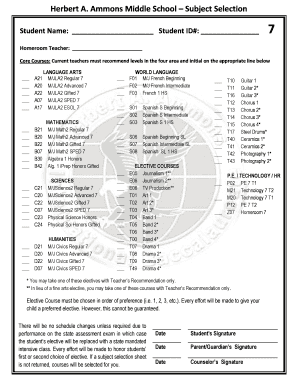
01. Edit your form online
Type text, add images, blackout confidential details, add comments, highlights and more.

Type text, add images, blackout confidential details, add comments, highlights and more.

Draw your signature, type it, upload its image, or use your mobile device as a signature pad.

Send it via email, link, or fax. You can also download it, export it or print it out.
The REQUIRED OFF SITE EDUCATION (ROSE) APPROVAL FORM is an essential document used to obtain authorization for off-site educational activities. It ensures that such activities align with institutional policies and educational objectives. This form is crucial for maintaining transparency and accountability in educational settings, outlining necessary information about the off-site educational event, including objectives, logistics, and participating parties.
Using the ROSE Approval Form involves detailing the educational event and obtaining requisite approvals. It generally includes sections where the educator or organizer specifies:
Using the ROSE Approval Form ensures that off-site activities comply with educational standards and safety protocols. It facilitates:
While the core elements of the ROSE Approval Form remain consistent, specific state regulations may require additional details such as:
Understanding specific terminology is vital for accurately completing the form:
Forms can typically be submitted through various methods:
By adhering to these guidelines, educational institutions ensure that off-site educational activities are safe, well-organized, and aligned with institutional policies.
We've got more versions of the REQUIRED OFF SITE EDUCATION (R O S E ) APPROVAL FORM form. Select the right REQUIRED OFF SITE EDUCATION (R O S E ) APPROVAL FORM version from the list and start editing it straight away!
| Versions | Form popularity | Fillable & printable |
|---|---|---|
| 2014 | 4.8 Satisfied (275 Votes) |
At DocHub, your data security is our priority. We follow HIPAA, SOC2, GDPR, and other standards, so you can work on your documents with confidence.