






Definition and Purpose
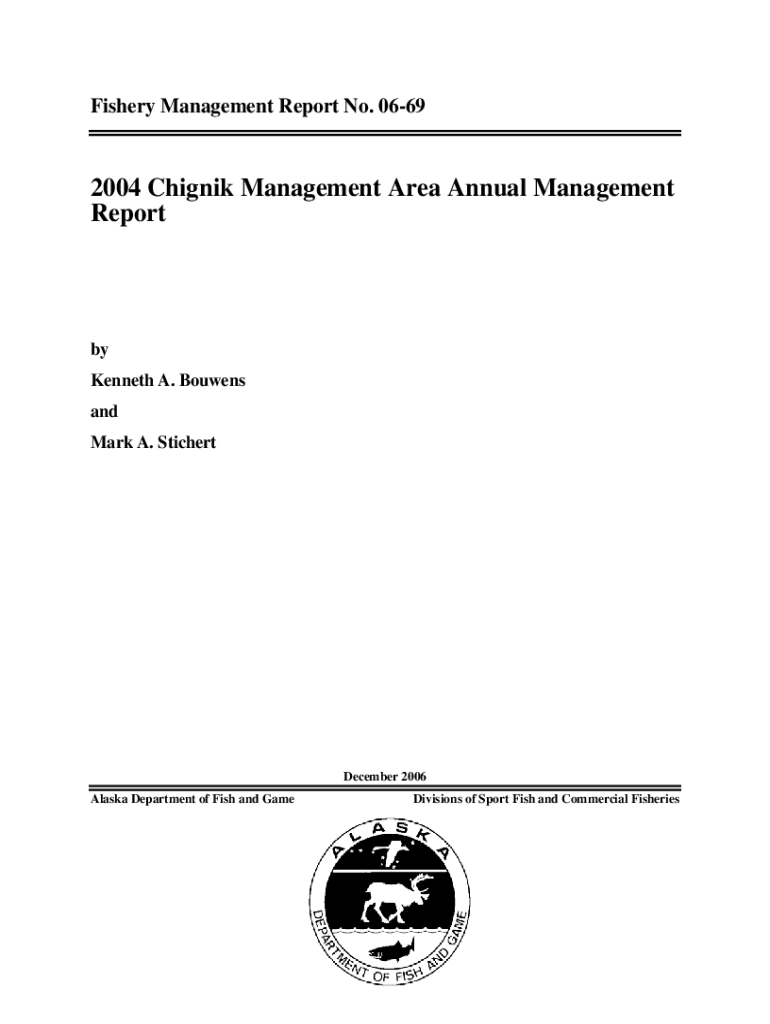
The "Policies and Procedures for ADFandG Scientific and Technical" is an essential document outlining the standardized methods and protocols utilized by scientific and technical staff at the Alaska Department of Fish and Game (ADFandG). It serves as a crucial guide ensuring consistency, accuracy, and compliance in scientific projects and data management. Such documents are particularly important for fisheries management, wildlife conservation, and other ecological initiatives, providing structured guidelines for research, data collection, and reporting.
Key Elements of the Document
The document is organized into several sections, each covering different aspects of ADFandG's scientific and technical operations. Key elements include:
- Data Collection Protocols: Detailed procedures for gathering accurate and reliable scientific data, crucial for maintaining the integrity of research findings.
- Quality Assurance Standards: Guidelines designed to ensure high standards in all ADFandG projects, minimizing errors and inconsistencies in data interpretation.
- Safety Guidelines: Essential measures and best practices to ensure the safety of personnel during fieldwork and laboratory tasks.
- Reporting Procedures: Standardized formats and templates for documenting research findings and project outcomes effectively, ensuring clarity and consistency in communication.
How to Use the Policies and Procedures
Employees and stakeholders should familiarize themselves with these policies before commencing scientific or technical tasks. Typically, the document is referenced throughout the lifecycle of a project, ensuring alignment with ADFandG's methodologies. This can involve:
- Consulting the document during project planning to ensure compliance.
- Regularly referencing relevant sections during data collection and analysis.
- Reviewing safety guidelines to ensure all operations adhere to prescribed safety standards.
Steps to Complete Required Processes
Understanding and completing processes outlined in the document requires the following steps:
- Initial Review: Carefully read relevant policies related to your specific scientific or technical task.
- Task Planning: Use the guidelines to plan your project, ensuring all steps align with formal procedures.
- Execution: Conduct scientific activities as per the protocols outlined, adjusting methods based on field conditions as necessary.
- Documentation: Meticulously document findings and methodologies using ADFandG's specified reporting formats.
- Review and Approval: Submit your documentation for review, ensuring all procedures have been followed accurately.
Who Typically Uses the Document
ADFandG's scientific and technical staff are the primary users of this document. This includes:
- Biologists and Ecologists working on wildlife and fishery management projects.
- Technical Staff involved in data collection, analysis, and reporting.
- Project Managers ensuring that operations are conducted according to established standards.


Legal Implications and Compliance
Adhering to these policies is not just procedural but also legal. Failure to comply can lead to inaccuracies in data reporting, having significant legal and environmental consequences:
- Data Integrity: Maintaining data integrity through adherence to these policies is crucial for regulatory and management decisions.
- Legal Compliance: Ensures operations comply with both federal and state regulations, avoiding potential legal issues against ADFandG.
Specialized Terms and Vocabulary
Understanding specific terminology is crucial:
- Escapement: The number of fish that escape fishing efforts and survive to spawn.
- Harvest Statistics: Data relating to the number and types of fish harvested, essential for ensuring sustainable practices.
Real-World Applications and Examples
For instance, when managing Pacific herring and salmon fisheries, these policies ensure that escapement data and harvest statistics are collected and reported consistently, facilitating sustainable fishery management. This enables ADFandG to balance economic interests with ecological health, ensuring robust fish populations.
Digital vs. Paper Versions
The document may be accessed in both digital and paper forms, each having its advantages:
- Digital Version: Offers easy searchability and the ability to quickly update or distribute to multiple users.
- Paper Version: Useful for field reference where digital access may be limited, ensuring that guidelines are always accessible.
This structured approach to ADFandG's policies and procedures fosters a systematic and compliant research environment, enabling the department to fulfill its ecological stewardship effectively.