







Definition and Meaning
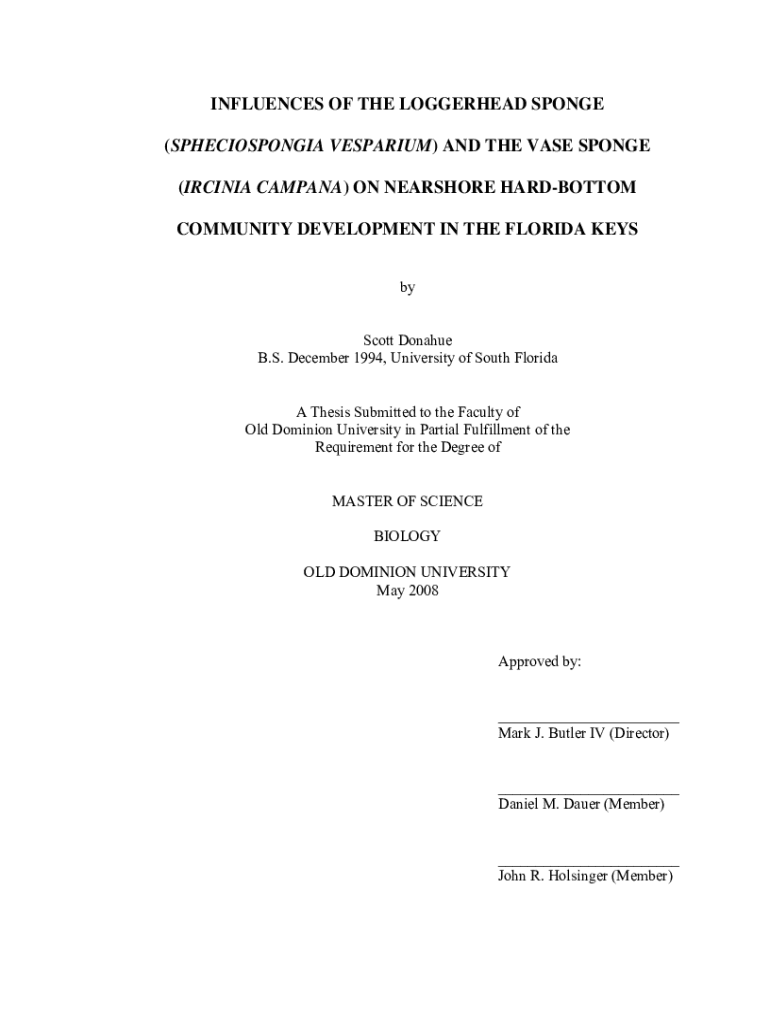
The species-identification speciesMarine Species Identification Portal is a tool designed to assist users in identifying marine species, with a specific focus here on the Loggerhead sponge, scientifically known as Spheciospongia vesparium. This portal provides a detailed reference to the characteristics, habitat, and ecological role of this sponge, which is crucial in understanding marine biodiversity.
How to Use the Portal Effectively
The Marine Species Identification Portal can be navigated by entering the name of the species you wish to identify. For the Loggerhead sponge, users can search by either the common name or the scientific name to access detailed information, including its morphological features, geographic distribution, and ecological interactions. This tool is designed to facilitate both professional researchers and hobbyists in accurately identifying marine species.
Steps to Complete the Identification Process
- Accessing the Portal: Navigate to the Marine Species Identification Portal online.
- Search Criteria: Enter "Loggerhead sponge" or "Spheciospongia vesparium" in the search bar.
- Review Results: Browse through the results to find detailed descriptions and images.
- Cross-reference Information: Compare the portal data with external resources for a comprehensive understanding.
- Document Findings: Record the identification results in your research notes or database for future reference.
Why Use the Portal for Loggerhead Sponge Identification
Identifying marine species like the Loggerhead sponge is important for several reasons. It aids in scientific research by providing data on species distribution and ecological roles, contributes to marine conservation efforts, and enhances educational opportunities. The portal's focus on providing accurate and extensive species data makes it a valuable resource for enhancing our understanding of marine ecosystems.
Who Typically Uses the Portal
The Marine Species Identification Portal is utilized by marine biologists, ecologists, environmental scientists, and educators. Additionally, it serves as a resource for students and citizen scientists who are engaged in studying marine life or participating in biodiversity documentation projects. Its comprehensive database supports various research and educational purposes.


Key Elements of the Loggerhead Sponge Identification
- Morphology: Detailed descriptions of the sponge's size, shape, color, and surface texture.
- Habitat: Information about the natural environment of the Loggerhead sponge, including water depth and geographic range.
- Ecological Role: Insights into how the sponge contributes to marine ecosystems, such as sediment stabilization and habitat formation.
Legal and Ethical Use of the Portal
Users of the Marine Species Identification Portal must adhere to ethical guidelines when conducting species research. This includes responsibly using data for scientific and educational purposes without exploiting it for harmful activities. Compliance with conservation laws and policies is necessary to protect marine biodiversity and ensure sustainable use of resources.
Examples of Using the Portal
The portal can be used in various contexts, such as:
- Academic Research: A marine biology student might use the portal to compile data for a thesis on sponge biodiversity.
- Conservation Programs: Environmental organizations might use it to monitor the health of marine habitats and the presence of key species like the Loggerhead sponge.
- Ecotourism: Guides might use the portal to provide accurate information to tourists about local marine life.
These examples illustrate the diverse applications of the portal in both professional and casual settings, making it a versatile tool in the study and appreciation of marine species.




