Definition & Meaning
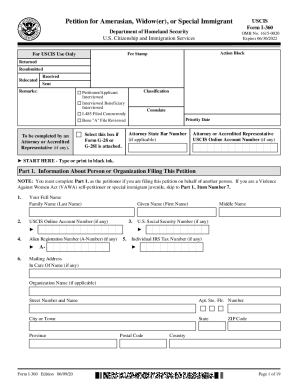
The "Registration of Fuels and Fuel Additives - gpo" involves the procedure set by the Environmental Protection Agency (EPA) for manufacturers in the United States to officially list their fuel and fuel additive products. This registration ensures compliance with EPA regulations, which aim to maintain environmental standards and safeguard public health. The process requires manufacturers to provide detailed chemical descriptions and health impact information about their products. This form of registration acts as a regulatory measure, allowing the EPA to monitor and manage environmental and health impacts resulting from the use of specific fuels and additives.
How to Use the Registration of Fuels and Fuel Additives - gpo
- Purpose and Functionality: This registration is essential for legal compliance and environmental protection. By utilizing this registration, manufacturers can ensure their products meet EPA's rigorous standards.
- Submission Process: The completion and submission of the form require detailed input regarding chemical compositions and potential health effects.
- Ensuring Compliance: Manufacturers must regularly update their registration to reflect any changes in product formulations or additional data gathered on health impacts, thereby maintaining ongoing compliance with EPA regulations.
Steps to Complete the Registration of Fuels and Fuel Additives - gpo
-
Gather Required Information:
- Compile data on chemical compositions and intended uses of the fuel or additive.
- Collect health effect reports related to the product's use.
-
Prepare Documentation:
- Ensure that all necessary documents are properly formatted and updated, including safety data sheets and any prior approvals or certifications.
-
Submit Through Designated Channels:
- Utilize the preferred submission methods outlined by the EPA, such as online portals or direct mail, following their specific guidelines for each method.
-
Review and Update:
- Carefully review the compiled information for accuracy before submission. Post-submission, be prepared to respond to any follow-up inquiries from the EPA to clarify details or provide additional information.
Required Documents
- Chemical Descriptions: Detailed reports of chemical compositions and properties.
- Health Effects Information: Data and studies demonstrating potential health impacts arising from exposure to the product.
- Compliance Certifications: Proofs of adherence to existing safety and environmental standards.
- Supplementary Data: Any additional documents supporting the safety and efficacy of the product.
Penalties for Non-Compliance
Failure to properly register fuels and fuel additives can result in significant legal and financial repercussions, including:
- Fines and Penalties: Monetary penalties can be imposed for delayed or inaccurate submissions.
- Operational Restrictions: The EPA might restrict sales or usage of unregistered fuels and additives.
- Legal Actions: Persistent non-compliance could lead to legal proceedings or more severe sanctions.
Application Process & Approval Time
- Initial Application: Submit all necessary documentation and wait for EPA's acknowledgment of receipt.
- Review Period: The EPA may take several weeks to several months to review submissions, with the timeline depending on the complexity of the product.
- Approval or Request for More Information: Post review, the EPA either grants registration or asks for additional data.
- Finalization: Once the product's data is verified and accepted, official registration is granted.
Eligibility Criteria
Manufacturers aiming to register their fuels or additives must:
- Be Based in the United States: Companies must be registered to operate within U.S. jurisdictions.
- Comply with Existing Regulations: Meet all current guidelines laid out by the EPA for environmental and health safety.
- Provide Complete and Accurate Information: Deliver comprehensive and truthful data as part of their application.


State-Specific Rules for the Registration of Fuels and Fuel Additives - gpo
- Variability Across States: While the federal guidelines by the EPA provide a baseline, individual states may have additional requirements or regulations.
- Consult Local Agencies: Manufacturers should liaise with state environmental protection departments to ensure adherence to both federal and state rules.
- Documentation Adjustments: Modify submissions as necessary to align with any unique state-specific criteria, ensuring holistic compliance.
Legal Use of the Registration of Fuels and Fuel Additives - gpo
- Regulatory Compliance: Enables manufacturers to legally produce and sell their products within the United States.
- Environmental Stewardship: Ensures that the fuels and additives contribute to reducing harmful emissions and protecting public health.
- Market Access: Acts as a prerequisite for entering commercial markets, establishing trust and credibility among consumers and stakeholders.
Key Elements of the Registration of Fuels and Fuel Additives - gpo
- Detailed Data Submission: Emphasizes the need for comprehensive chemical and health-related information.
- Ongoing Updates: Mandates regular updates to maintain compliance with evolving regulations and scientific understanding.
- Stakeholder Engagement: Involves active dialogue with the EPA to address any concerns or questions related to product safety and environmental impact.