01. Edit your form online
Type text, add images, blackout confidential details, add comments, highlights and more.

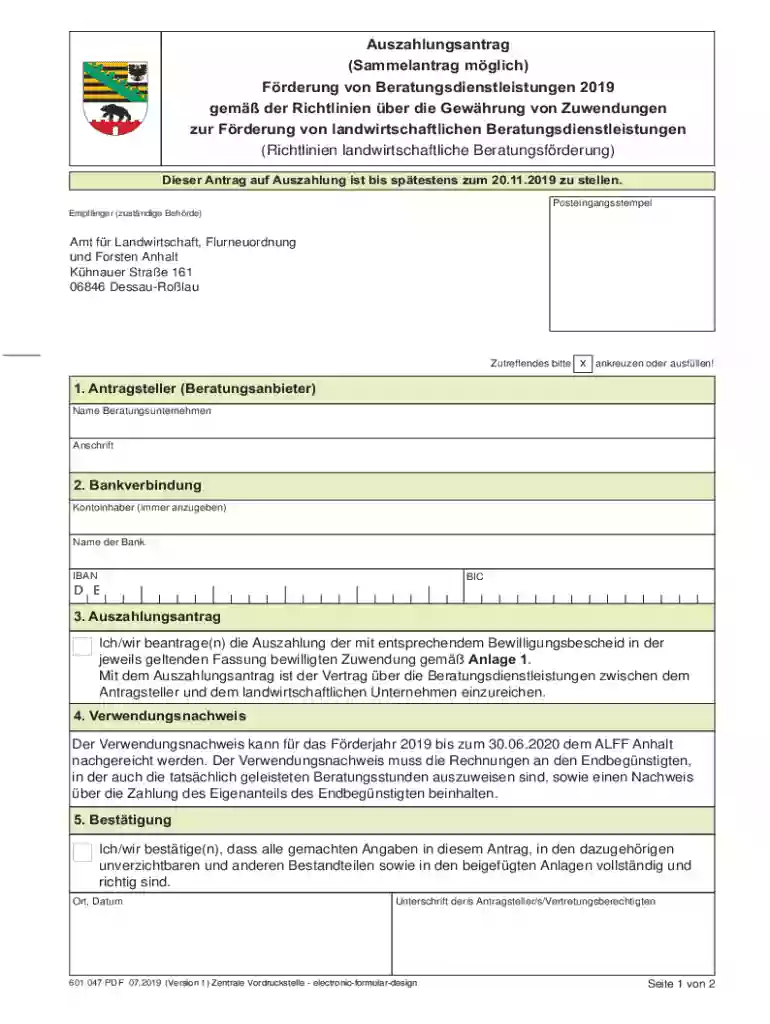
Type text, add images, blackout confidential details, add comments, highlights and more.

Draw your signature, type it, upload its image, or use your mobile device as a signature pad.

Send it via email, link, or fax. You can also download it, export it or print it out.
Using Adobe Acrobat to have a PDF read aloud can significantly enhance accessibility and user experience for individuals requiring auditory assistance. This feature is particularly useful for people with visual impairments or those who prefer auditory learning. Adobe Acrobat provides a built-in tool that allows users to listen to the text within a PDF file, ensuring information is accessible to a broader audience.
Enabling the read aloud feature in Adobe Acrobat is a straightforward process. Follow the steps below to activate this function:
By following these steps, users can easily have their PDFs read aloud, making document consumption more accessible.
Adobe Acrobat allows users to customize reading preferences to enhance the listening experience further. Here are the steps to adjust these settings:
Customizing these settings can significantly improve comprehension and retention of the read-aloud content, tailoring the experience to individual needs.
Employing the read aloud feature in Adobe Acrobat offers numerous benefits:
These advantages demonstrate the versatility and utility of the read aloud feature, making it an essential tool for diverse user groups.
The read aloud feature can be effectively utilized in various real-world scenarios, such as:
These practical examples highlight how integrating this feature into daily routines can enhance productivity and accessibility.
Adobe Acrobat's read aloud feature is compatible with a range of operating systems and devices. Here are the typical requirements:
These system requirements ensure the read aloud feature can be widely accessed across various platforms and devices.
While digital versions of PDFs in Adobe Acrobat can be read aloud, paper versions lack this inherent capability. Here are the distinctions:
Understanding these differences is crucial for users looking to leverage the read aloud feature effectively.
Adobe Acrobat supports a variety of document formats for read aloud functionality, enhancing accessibility:
This broad format support ensures that users can access the read aloud feature across different types of digital documents, maximizing accessibility options.
These sections collectively cover a comprehensive overview and practical guidance on using the read aloud functionality within Adobe Acrobat, catering to a diverse audience's needs and enhancing document accessibility.
At DocHub, your data security is our priority. We follow HIPAA, SOC2, GDPR, and other standards, so you can work on your documents with confidence.