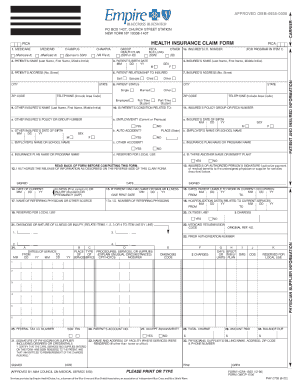
Definition and Meaning of "APPROVED FOR RELFASE"
The term "APPROVED FOR RELFASE" typically signifies a formal authorization process in various contexts, often related to the release of information or materials. It is crucial to understand the specific context in which this term is applied to grasp its full meaning and implications. In legal or bureaucratic environments, being "approved for release" may indicate that a particular document, product, or piece of information has met all necessary criteria and undergone requisite evaluations to be shared or distributed. This approval process ensures compliance with relevant regulations, standards, and protocols, thereby maintaining the integrity and confidentiality of the released material.
Practical Applications
In governmental or organizational operations, "APPROVED FOR RELFASE" can be associated with the clearance of sensitive documents. These could include military reports, strategic data, or other classified materials that require thorough vetting. In corporate settings, it might pertain to media or public relations content that has passed through internal review processes. Understanding these applications aids users in appropriately managing and distributing approved content.
How to Use the APPROVED FOR RELFASE
Utilizing an "APPROVED FOR RELFASE" form involves adhering to the guidelines and procedures set forth by the governing body or organization responsible for the approval process. Users should ensure they are well-acquainted with the specific requirements that dictate how such a form is applied within their field or context.
Guidelines and Procedures
- Review Requirements: Familiarize yourself with the criteria and standards that the form must meet for approval.
- Submit Necessary Information: Provide all required data, ensuring accuracy and completeness.
- Await Confirmation: After submission, it may take a period for the form to be vetted and approved by the relevant authority.
- Receive Notification: Once approved, you will be informed through official channels that the document or information is ready for release.
Steps to Complete the APPROVED FOR RELFASE
Completing an "APPROVED FOR RELFASE" form involves several detailed steps to ensure accuracy and compliance with pertinent guidelines.
- Identify the Form Requirements: Understand what specific information is needed for the form and gather necessary documents.
- Fill Out the Form Accurately: Enter information carefully, avoiding errors which could delay approval.
- Attach Supporting Documents: Provide any additional documentation that supports the application or release.
- Submit Form for Review: Ensure that all parts of the form are complete before submitting it to the appropriate department for approval.
Detailed Breakdown
- Initial Preparation: Collect pertinent information and documents ahead of time.
- Verification: Double-check for any mistakes or omissions that might affect the approval.
- Submission Channels: Depending on the form's nature, decide if the submission will be in-person, via mail, or online.
Key Elements of the APPROVED FOR RELFASE
Understanding the core components of the "APPROVED FOR RELFASE" form is essential for successful completion and approval.
Core Components
- Applicant Information: Details of the person or entity requesting approval.
- Document Details: Specific information about the document or materials to be released.
- Compliance Assurance: Evidence or declarations ensuring adherence to relevant guidelines.
- Signatures: Verification signatures from authorized individuals.
Common Pitfalls
- Incomplete Information: Omitting key details can lead to delays.
- Incorrect Details: Errors can result in rejection and require resubmission.
Legal Use of the APPROVED FOR RELFASE
The legal implications of using an "APPROVED FOR RELFASE" form can vary greatly depending on jurisdiction and context. It is critical to understand the legal parameters to ensure compliance and avoid potential liabilities.
Compliance and Regulation
- Adherence to Laws: Ensure that all aspects of the form comply with applicable legal regulations.
- Confidentiality Agreements: In some cases, using the form may involve honoring confidentiality agreements or statutory obligations.
Risk Management
- Legal Consultation: It may be beneficial to consult with legal experts to navigate the form's requirements and implications.
- Documentation: Keep a detailed record of the approval process and any communications related to it.
State-Specific Rules for the APPROVED FOR RELFASE
"APPROVED FOR RELFASE" forms may be subject to varying regulations based on state-specific laws or industry standards. Understanding these differences is crucial for compliance.
Regional Considerations
- Variability in Laws: Certain states may have unique statutes affecting the approval process.
- State vs. Federal: Identifying whether state or federal laws govern the form's approval and release.
Examples of Variation
- California: Might have stringent privacy regulations affecting the form.
- Texas: Could impose different compliance standards compared to other states.
Examples of Using the APPROVED FOR RELFASE
Illustrating real-world cases of the "APPROVED FOR RELFASE" form provides insight into its practical applications and potential complexities.
Case Study Scenarios
- Corporate Release: A corporation requires the approval of a new marketing campaign, ensuring it meets internal scrutiny before public distribution.
- Government Use: Approval for the release of declassified information to the public following a mandated review period.
Lessons from Examples
- Process Efficiency: Streamlined processes can expedite approval times.
- Attention to Detail: Thorough preparation reduces the likelihood of delays.
Penalties for Non-Compliance
Non-compliance with the requirements of an "APPROVED FOR RELFASE" form can lead to serious consequences, both legally and operationally.
Potential Repercussions
- Legal Sanctions: Failure to comply can result in fines or legal actions.
- Operational Delays: Rejection or delays in approval can affect timelines and projects.
- Reputation Impact: Non-compliance may damage credibility with partners or clients.
Utilizing and understanding the intricacies of an "APPROVED FOR RELFASE" form requires familiarity with its components, processes, and legal backdrop to ensure effective and compliant application.