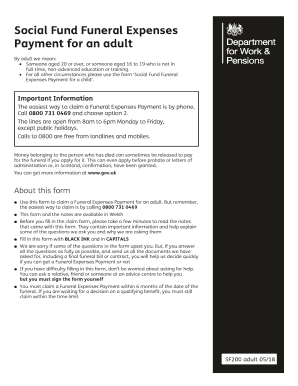
Fuels and Vehicles - Alternative Fuels Data Center - Department 2026

Get Form
Fuels and Vehicles - Alternative Fuels Data Center - Department Preview on Page 1

Here's how it works

01. Edit your form online
Type text, add images, blackout confidential details, add comments, highlights and more.

02. Sign it in a few clicks
Draw your signature, type it, upload its image, or use your mobile device as a signature pad.

03. Share your form with others
Send it via email, link, or fax. You can also download it, export it or print it out.

Definition and Purpose of the Fuels and Vehicles - Alternative Fuels Data Center - Department

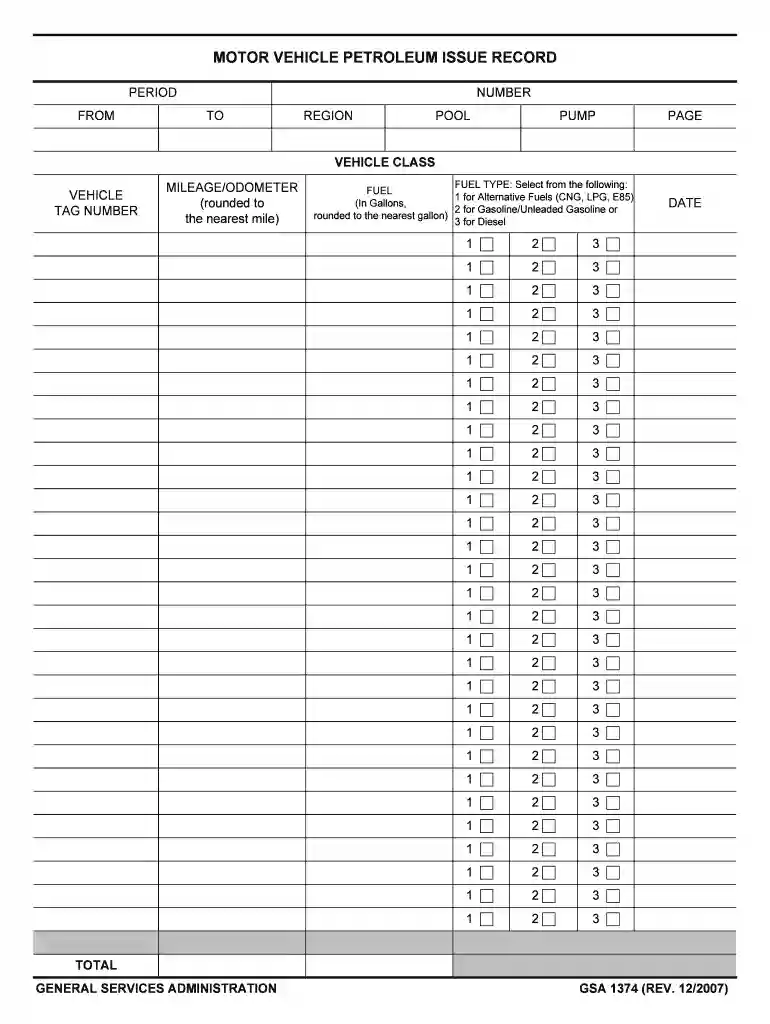
The "Fuels and Vehicles - Alternative Fuels Data Center - Department" form serves as a comprehensive resource for tracking the fuel consumption of various vehicles. It provides detailed information on different vehicle classes, including tag numbers, mileage, fuel types, and the relevant period of record. This form is particularly utilized by federal entities, such as the General Services Administration, to efficiently monitor and manage their fleets. Importantly, it ensures that the use of alternative fuels is recorded accurately, supporting initiatives to reduce reliance on traditional fossil fuels.

How to Use the Fuels and Vehicles - Alternative Fuels Data Center - Department

To effectively use this form, start by gathering all necessary vehicle and fuel data, such as vehicle identification numbers and detailed mileage logs. Here are the steps to correctly fill out the form:

  1. Vehicle Information:

    • Enter the vehicle class and tag number.
    • Provide the current mileage at the beginning and end of the reporting period.
  2. Fuel Details:

    • Specify the type of fuel used (e.g., biodiesel, ethanol).
    • Record the total fuel consumption within the specified period.
  3. Verification:

    • Ensure that the data entered matches maintenance and fuel purchase records.
    • Double-check entries for accuracy before submission.

How to Obtain the Fuels and Vehicles - Alternative Fuels Data Center - Department

The form can typically be accessed via government portals related to transportation and energy departments. Alternatively, federal agencies can request it directly from the General Services Administration. For state-specific versions or additional guidance, consult with state energy offices which might offer digital access for their localized forms.

Steps to Complete the Fuels and Vehicles - Alternative Fuels Data Center - Department

Completing this form involves methodical data collection and entry:

  1. Gather Vehicle Logs:

    • Collect accurate logs of vehicle usage.
  2. Enter Data:

    • Fill in sections as per vehicle specifications and recorded fuel usage.
  3. Review and Submit:

    • Recheck the form for comprehensive documentation and submit through designated channels.

Important Considerations

  • Keep all supporting documents for verification.
  • Be aware of any state-specific requirements if applicable.

Key Elements of the Fuels and Vehicles - Alternative Fuels Data Center - Department

Several critical components form the backbone of this document:

  • Vehicle Details: This includes all relevant identifiers and specifications for accurate tracking.
  • Fuel Usage Metrics: Detailing type and amount of fuel to enable assessment of alternative fuel usage.
  • Reporting Period: Accurately defining the timeframe for which data is recorded ensures consistency.

Who Typically Uses the Fuels and Vehicles - Alternative Fuels Data Center - Department

  • Federal Agencies: Major users of this form for fleet management.
  • State Departments: These entities oversee transportation and environmental initiatives and may require detailed records for compliance and reporting.
decoration image ratings of Dochub

Common Users

  • Fleet Managers
  • Environmental Analysts
  • Government Auditors
decoration image

Legal Use of the Fuels and Vehicles - Alternative Fuels Data Center - Department

Compliance with federal mandates often requires accurate submission of this form. Its legal significance lies in its role in supporting governmental commitments to fuel efficiency and alternative energy use. Departments need to ensure that their submissions align strictly with regulatory requirements to avoid penalties.

Examples of Using the Form

  • Federal Fleet Assessments: Used to evaluate energy consumption across a fleet of government vehicles.
  • Policy Implementation: Helps track compliance with alternative fuel policies at both the state and federal level.

Filing Deadlines and Important Dates

Departments are usually tasked with quarterly submissions to ensure up-to-date tracking of their fleets. Keeping abreast of filing deadlines is essential to avoid lapses in record maintenance or potential compliance issues.

Form Submission Methods

The completed form can typically be submitted electronically through authorized government portals, providing seamless integration with the existing energy management systems. Some situations may still necessitate mail submissions for record-keeping, particularly if digital access is constrained.

Important Terms Related to the Form

Familiarity with key terminology, such as "fuel type" and "vehicle class," is crucial for proper document handling and ensuring that all aspects of the form are completed accurately and efficiently.

Common Terms

  • Alternative Fuel: Fuels other than conventional diesel or gasoline.
  • Mileage Record: Documented distance covered by a vehicle within a period.

In sum, this form is an essential tool for managing vehicle fuel consumption, with its utility extending across various governmental and state bodies for efficient resource tracking.

be ready to get more

Complete this form in 5 minutes or less

Get form

Got questions?

We have answers to the most popular questions from our customers. If you can't find an answer to your question, please contact us.
Contact us
The Alternative Fuels Data Center (AFDC) provides information, data, and tools to help fleets and other transportation decision makers find ways to reduce petroleum consumption through the use of alternative and renewable fuels, advanced vehicles, and other fuel-saving measures.
Biodiesel. Biodiesel can be a great alternative to conventional diesel fuel. Biodiesel is usually blended with petroleum diesel at different blends up to 20 percent biodiesel or B20. Biodiesel is domestically produced from vegetable oils.
Biodiesel | Diesel Vehicles. Electricity | Electric Vehicles. Ethanol | Flex Fuel Vehicles. Hydrogen | Fuel Cell Vehicles. Natural Gas | Natural Gas Vehicles. Propane | Propane Vehicles. Renewable Diesel. Sustainable Aviation Fuel.
As data centers work to improve the sustainability of their operations, more are opting for advanced generators with near-zero emissions performance and powering them with renewable biofuels such as hydrogenated vegetable oil (HVO), also known as renewable diesel.
In this article, we will be giving you more ideas on the top types of fuel, their characteristics, and their uses. Ethanol. This is also known as ethyl alcohol or grain alcohol. Methanol. Similar to ethanol, methanol is a colorless, flammable liquid, and is the simplest alcohol. Diesel. Biodiesel. Natural Gas.

Security and compliance

At DocHub, your data security is our priority. We follow HIPAA, SOC2, GDPR, and other standards, so you can work on your documents with confidence.
Learn more
ccpa2
pci-dss
gdpr-compliance
hipaa
soc-compliance

People also ask

Alternative fuel vehicle (AFV): A vehicle designed to operate on an alternative fuel (for example, compressed natural gas, liquefied propane gas, or electricity).

Related links