Definition and Meaning
The undergraduate creative writing minor at the University of Michigan offers students across various disciplines—excluding English majors—an opportunity to deeply engage with creative writing. This program focuses on both foundational skills and advanced techniques in poetry and prose fiction, encouraging creative exploration and artistic expression. Integral to this minor is the balance between structured coursework and the flexibility to explore one's unique writing style within a supportive academic environment.
Key Elements of the Minor Program
Several core components define the structure and success of the creative writing minor at the University of Michigan.
- Introductory Course: Students begin with ENG223, an essential entry-level course that lays the groundwork for understanding and appreciating creative writing as a craft.
- Intermediate and Advanced Workshops: Progression to workshops such as ENG323/324 and ENG423/424 allows for deeper exploration into specific genres, enabling students to refine their writing skills through guided practice and feedback.
- Portfolio Requirement: A portfolio submission is a key element for program admission, helping assess a student's readiness and potential for advanced creative study.
Application Process and Approval Time
To pursue the creative writing minor, students must navigate a well-defined application process.
- Prepare a Portfolio: Assemble a selection of personal creative writing samples that best represent your skills and interests.
- Complete ENG223: This prerequisite ensures all applicants have foundational knowledge of the subject.
- Submit Application: Adhere to the application deadlines, usually set at specific times throughout the academic year.
- Receive Feedback: While the review process ensures that applicants meet specified criteria, response timelines can vary based on the volume of submissions.
Eligibility Criteria
The creative writing minor is designed for students who demonstrate both passion and potential in writing.
- Non-English Majors: Only students majoring in non-English disciplines within the LSA department are eligible.
- Completion of Prerequisite: Successful completion of ENG223 is mandatory before applying.
- Portfolio Demonstration: The provided portfolio should reflect the applicant's skill level and creative interests, showcasing a range of writing formats and styles.


Steps to Complete the Minor
Successfully completing the creative writing minor involves a structured approach.
- Initial Enrollment: Start with the compulsory course ENG223.
- Choose Workshops: Select from available intermediate and advanced options based on genre preference.
- Seek Advising: Regular consultations with academic advisors help ensure progress aligns with program goals and personal aspirations.
- Final Portfolio: Culminate your minor studies with a capstone portfolio that showcases progress and specialty.
Important Terms Related to the Minor
Understanding key terminology enhances clarity and navigability within the program.
- Portfolio: A curated selection of writing pieces that demonstrate skill and creativity.
- Workshops: Coursework designed for intensive practice and critique, focusing on peer and instructor feedback.
- Prerequisite: Required courses or conditions necessary to qualify for subsequent program levels or applications.
Examples of Usage and Curriculum Engagement
A closer look at how students benefit from the creative writing minor includes:
- Workshopping Sessions: Students engage in peer review, experiencing diverse perspectives and constructive critiques that hone their work.
- Genre Exploration: Opportunities to experiment across genres, such as poetry and prose, encourage comprehensive literary development.
- Public Readings and Events: Participation in campus-wide events fosters community and public speaking skills, critical for a career in writing.
Required Documents for Application
The application process mandates specific documentation to ensure a thorough review of each candidate.
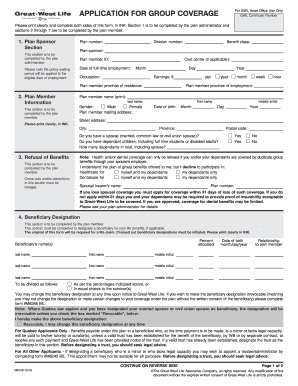
- Completed Application Form: Official paperwork indicating intent to pursue the minor.
- Writing Portfolio: Samples representative of the applicant's best work.
- Prerequisite Verification: Proof of ENG223 completion, often in the form of course transcripts or advisor confirmations.
Form Submission Methods
Application submissions can vary, emphasizing flexibility and accessibility for potential candidates.
- Online Submission: Digital applications are streamlined for convenience, offering an efficient means of portfolio and document upload.
- In-Person Submission: Physical drop-off options may be available, particularly for students already on campus or those who prefer a face-to-face interaction for gatherings.
Selecting the right method aligns with the candidate's resources, deadlines, and personal preferences.
State-Specific Rules and LSA UMich Policies
Within the University of Michigan, unique institutional policies guide the execution and management of the creative writing minor.
- Academic Calendar Adherence: Deadlines and course schedules are dictated by the official academic calendar, impacting application timing and progression.
- LSA Guidelines: Compliance with broader LSA department rules ensures that all policy stipulations align with programmatic and administrative standards.
These guidelines ensure that students' academic endeavors maintain rigor and alignment with university standards.