






Definition & Meaning
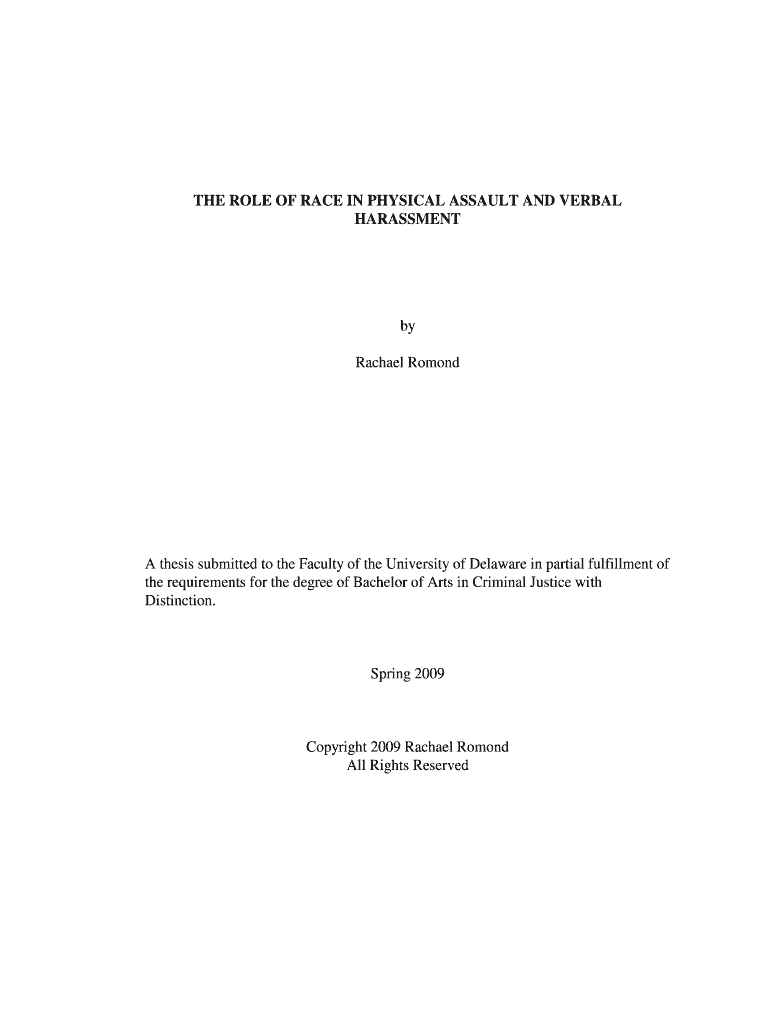
The concept of "The Role of Race in Physical Assault and Verbal Harassment" explores how racial dynamics influence incidents of violence and aggression. This involves examining the impact of racial composition within environments like nightclubs, where inter-racial and intra-racial tensions might contribute to conflict. Understanding these dynamics is crucial for addressing underlying issues related to racism and social behavior in communal spaces.
Key Components
- Racial Composition: Investigates environments where certain races dominate and how this affects interpersonal dynamics.
- Inter-Racial vs. Intra-Racial Violence: Distinguishes between violence occurring between different races and within the same race.
- Influence of Alcohol and Masculinity Norms: Explores how substances and societal norms exacerbate aggressive behaviors.
Key Elements of The Role of Race in Physical Assault and Verbal Harassment
Understanding this topic requires analyzing several core elements that contribute to racial dynamics in incidents of violence.
Elements
- Environmental Context: The setting, such as nightclubs, plays a role in how racial dynamics unfold.
- Demographic Factors: The racial makeup of participants in these settings can significantly influence interactions.
- Cultural Norms and Stereotypes: How stereotypes and cultural norms inform behavior and aggression.
Steps to Analyze the Role of Race in Physical Assault and Verbal Harassment
Step-by-Step Analysis
- Identify Settings: Focus on specific environments like nightclubs where these dynamics are prominent.
- Demographic Study: Collect data on the racial composition of participants in these settings.
- Behavioral Observation: Observe patterns of interaction that may indicate racial tension or harmony.
- Participant Interviews: Conduct interviews to gather insights on personal experiences and perceptions.
- Analyze External Factors: Consider the role of alcohol and societal norms in escalating incidents.
Examples of Using the Role of Race in Physical Assault and Verbal Harassment
Real-World Scenarios
- Philadelphia Nightlife Study: Illustrated how racial composition in nightclubs affects the likelihood of violence.
- Gender Relations Impact: Examined how gender interactions intersect with racial dynamics to influence aggression.
- Safety Measures: Assessment of existing safety measures in nightlife environments and their effectiveness in mitigating racial conflicts.
Important Terms Related to The Role of Race in Physical Assault and Verbal Harassment
Terminology
- Inter-Racial Violence: Conflict between individuals from different racial backgrounds.
- Intra-Racial Violence: Conflict occurring within the same racial group.
- Racial Hostility: Negative attitudes and aggressive behavior towards individuals of other races.
Who Typically Uses the Role of Race in Physical Assault and Verbal Harassment Studies


Primary Users
- Sociologists and Criminologists: Researchers studying societal dynamics and crime.
- Policy Makers: Developing guidelines to improve community safety.
- Community Organizations: Creating programs to address racial tensions and violence.
Legal Use of The Role of Race in Physical Assault and Verbal Harassment
Legal Applications
- Policy Development: Informing public policies aimed at reducing racially motivated violence.
- Legal Defense and Prosecution: Understanding context in cases involving racial violence.
- Regulatory Frameworks: Crafting regulations to ensure equitable safety measures in public venues.
State-by-State Differences
Variances Across the U.S.
- Legislative Differences: Different states may have varying laws and regulations regarding racial discrimination and violence.
- Cultural Diversity: States with diverse populations may approach racial dynamics differently compared to less diverse areas.
- Policy Implementation: How effectively states implement and enforce policies addressing racial violence.
Business Types that Benefit Most from Understanding the Role of Race in Physical Assault and Verbal Harassment
Benefiting Businesses
- Nightclubs and Entertainment Venues: Implementing strategies to handle racial tensions proactively.
- Hospitality Industry: Adopting inclusive practices to enhance safety and diversity.
- Security Firms: Training staff to recognize and intervene in racially charged situations efficiently.
Digital vs. Paper Version
Comparison
- Accessibility: Digital resources offer easy access to research and findings on racial dynamics in violence.
- Updatability: Digital formats are easier to update with the latest research data and case studies.
- Distribution: Paper versions can be distributed for educational purposes in areas with limited digital access.
Disclosure Requirements
Transparency Protocols
- Data Collection: Clear guidelines on how data regarding race and violence is collected and used.
- Participant Anonymity: Ensuring anonymity to protect participants in studies focused on racial dynamics.
- Ethical Considerations: Adhering to ethical standards in research methodologies and reporting.
Quick Facts
Essential Information
- Philadelphia Study: A significant portion of research derived from observations in Philadelphia's nightlife.
- Gender Dynamics: Gender relations are a crucial factor in understanding the nuances of racial violence.
- Safety Protocols: Improved safety measures are recommended to reduce incidents of aggression based on racial dynamics.