
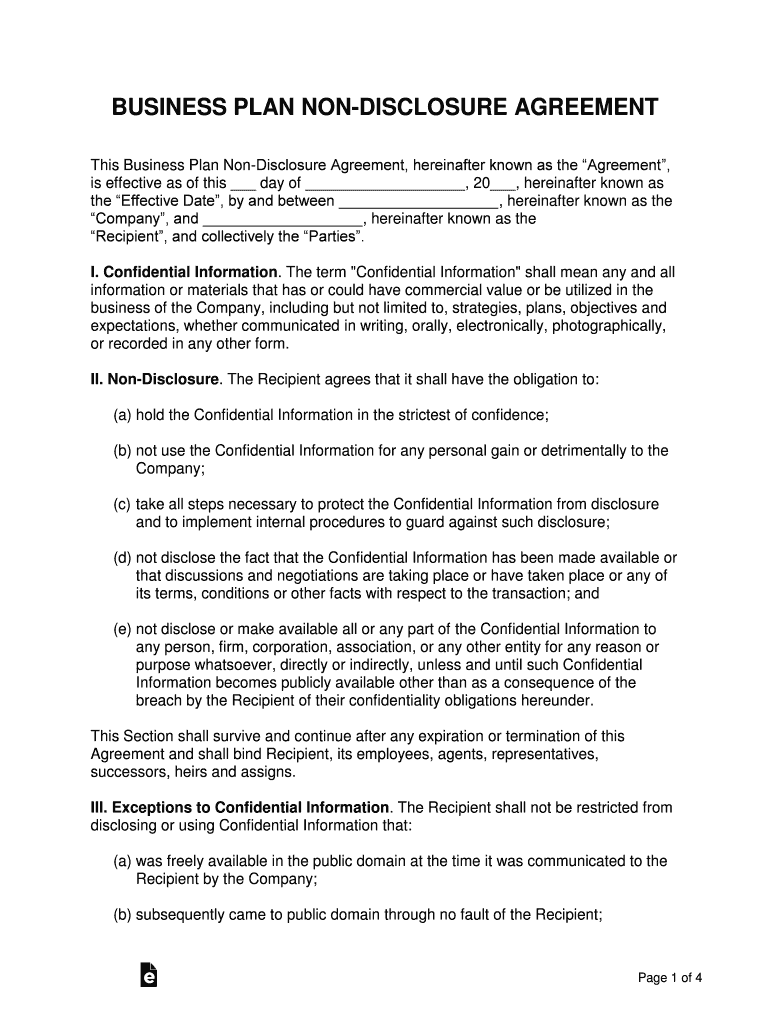







Definition & Meaning
A Trade Secret Non-Disclosure Agreement (NDA) is a legal contract between parties that outlines the obligation to protect confidential information shared between them. This agreement is crucial for businesses to safeguard their trade secrets, which might include proprietary formulas, strategies, customer lists, or any information that provides a competitive edge. It is designed to prevent unauthorized disclosure and ensure that sensitive information is only used as permitted within the terms of the agreement.
Key Components
- Confidential Information: Clearly defines what constitutes confidential information to provide clarity to both parties.
- Obligations of the Recipient: Outlines the duties of the recipient to maintain confidentiality and the circumstances under which information can be shared.
- Exclusions from Confidentiality: Specifies information that is not covered under the agreement, such as publicly available data or information already known to the recipient.
How to Use the Trade Secret Non-Disclosure Agreement Template
The Trade Secret NDA template from eforms is a practical tool for drafting a legally sound agreement. To use it effectively, follow these steps:
- Download the Template: Start by downloading the NDA template from a reliable source like eforms.
- Customize the Template: Fill in the specific details that pertain to your business arrangement, such as the parties involved, duration of the agreement, and specific trade secrets.
- Review Legal Requirements: Ensure the agreement complies with relevant legal standards and state laws.
- Consult with Legal Counsel: To ensure the agreement's enforceability, consider consulting with a lawyer who specializes in contract law.
Importance of Customization
Customizing the template is crucial. This involves specifying the nature of the trade secrets, detailing any specific obligations, and including any state-specific language. Such customization ensures the NDA addresses the unique needs of your business and protects your interests adequately.
Key Elements of the Trade Secret Non-Disclosure Agreement Template
An NDA template incorporates several critical elements essential for its effectiveness:
- Parties Involved: Clearly identifies all parties to the agreement, emphasizing the roles of the disclosing and receiving parties.
- Purpose of Disclosure: Explains why information is being shared and how it will be used.
- Duration of Obligation: Establishes how long the confidentiality obligations remain in effect, sometimes even after the termination of the relationship.
Detailed Elements
- Remedies for Breach: Sets out the consequences and possible legal remedies if the NDA is breached.
- Governing Law: Indicates which state's law will govern the agreement, crucial for enforcement considerations.
Steps to Complete the Trade Secret Non-Disclosure Agreement Template
To complete the NDA template effectively, follow these sequential steps:
- Identify the Parties: Clearly list the names and contact information of all parties bound by the agreement.
- Specify the Confidential Information: Detail what information is considered confidential and how it should be handled.
- Outline Responsibilities: Clearly define what both parties can and cannot do with the information.
- Determine Timeframes: Set the period during which the agreement remains valid and any continuing obligations after its termination.
Legal Use of the Trade Secret Non-Disclosure Agreement Template
The NDA template serves as a legal instrument designed to protect intellectual property. It emphasizes the importance of consent from both parties, thereby establishing mutual understanding and agreement to the terms outlined.
Legal Considerations
- Validity and Enforcement: For the NDA to be enforceable, it must adhere to contract law principles, including offer, acceptance, and consideration.
- State-Specific Requirements: Be aware of variations in state laws that may affect the agreement's enforceability.
State-Specific Rules for the Trade Secret Non-Disclosure Agreement Template
While the NDA template provides a standard framework, specific rules and legal requirements may vary by state. It is essential to customize the agreement to comply with the legal standards of the state where it will be enforced.
Examples of Variances
- Statute of Limitations: Some states differ in the allowable time frame for prosecuting breaches.
- Specific Definitions: Certain states provide more detailed definitions of what constitutes a trade secret.
Who Typically Uses the Trade Secret Non-Disclosure Agreement Template
Various entities utilize NDAs, including:
- Business Owners: Protect proprietary business processes and customer information.
- Start-ups: Safeguard new product designs or business strategies.
- Contractors and Freelancers: Ensure projects they work on do not disclose sensitive company information.
- Employees: Secure information during onboarding or when involved with confidential projects.


Why Use the Trade Secret Non-Disclosure Agreement Template
The primary reason for using an NDA is the protection it affords. It helps secure a competitive advantage by ensuring that confidential business information is not disclosed or used without permission. Additionally, a well-drafted NDA can deter potential breaches by establishing clear legal consequences for unauthorized disclosures.
Advantages
- Risk Mitigation: Reduces the potential risks associated with leaks of vital business information.
- Clear Expectations: Provides clarity on what is considered confidential, thereby facilitating understanding and compliance.




