






Definition and Meaning
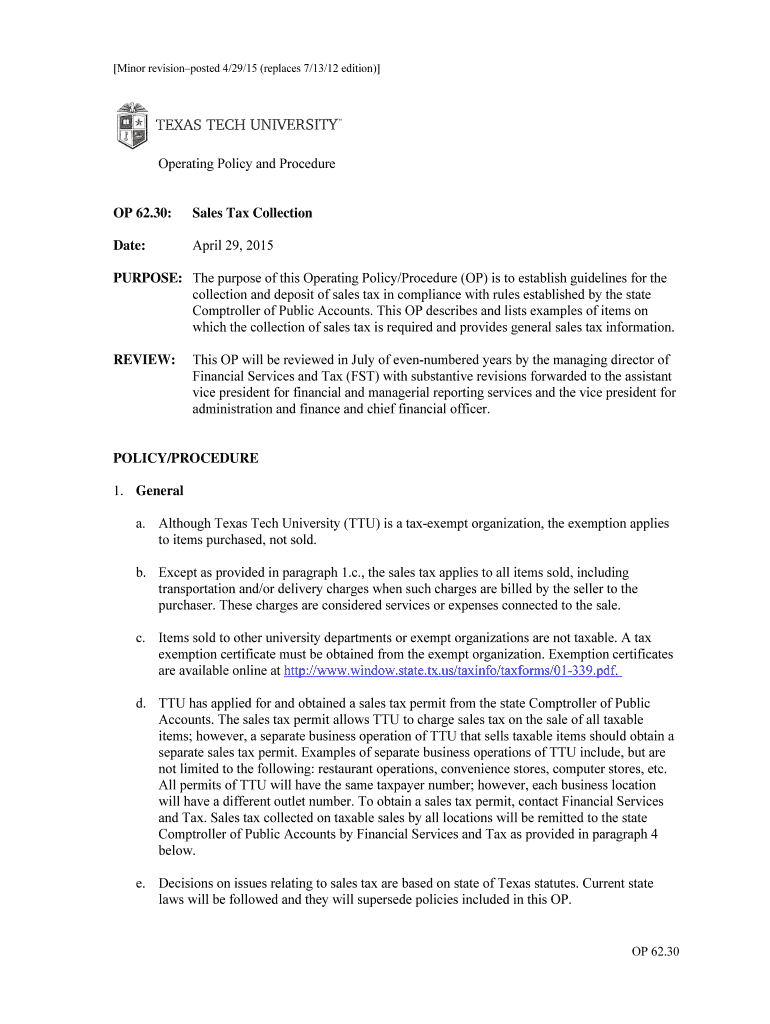
The "Minor revisionposted 4 29 15 (replaces 7 13 12 edition)" refers to a specific version of a document or policy that underwent minor revisions and updates as of April 29, 2015. This update supersedes the earlier edition released on July 13, 2012. Understanding such documentation is crucial for maintaining compliance with the most current regulations or guidelines, as the changes might involve important corrections or clarifications that impact its application.
Importance of Keeping Up-to-Date
- Regulatory Compliance: Ensures adherence to the latest legal or organizational requirements.
- Accuracy: Reflects the most precise information available at the time of revision.
- Relevance: Updates may include new procedures or data essential for the intended use of the document.
Steps to Complete the Form
Completing the "Minor revisionposted 4 29 15 (replaces 7 13 12 edition)" typically involves a few key steps:
- Review the Document Thoroughly: Understand all sections to grasp the context and content changes.
- Identify Required Information: Gather all necessary data and details needed for specific sections.
- Fill Out the Form Accurately: Ensure that each portion is completed with the correct and up-to-date information.
- Check for Completeness: Verify all parts are filled out and that there are no missing sections.
- Review for Accuracy: Double-check entries to minimize errors before submission.
Common Sections in the Form
- Personal or Company Information: Basic details like names, addresses, and identification numbers.
- Data Entry Fields: Specific fields requiring particular information related to the document’s purpose.
- Signature and Date: Final confirmation that the information provided is true and verified.
How to Obtain the Form
To acquire the "Minor revisionposted 4 29 15 (replaces 7 13 12 edition)," consider the following options:
- Online Download: Access the document through a credible website offering document resources.
- Contact the Issuing Authority: Request a physical or digital copy from the organization responsible for the document.
- Visit Official Portals: Check institutional websites where updates or revisions are often posted.
Official Channels for Access
- Government Websites: Often the main source for forms related to tax or compliance.
- Educational Institutions: For forms related to academic or administrative processes.
Key Elements of the Document
The "Minor revisionposted 4 29 15 (replaces 7 13 12 edition)" focuses on providing updated information across several key elements:
- Revised Sections: Areas that have undergone updates from the previous version.
- Clarified Information: Any ambiguities in the earlier version addressed for better understanding.
- Additional Requirements: New rules or guidelines that may now be part of the compliance framework.
Examples of Document Changes
- Terminology Updates: Modifications to terms to reflect current usage and understanding.
- Process Alterations: Changes in procedure that need to be noted for accurate completion and adherence.
Legal Use of the Document
Understanding the legal implications of using the "Minor revisionposted 4 29 15 (replaces 7 13 12 edition)" is essential:
- Compliance: Ensure that your actions are within the bounds of the law as stated in the new edition.
- Documentation: Proper use involves maintaining records that reflect adherence to the updated guidelines.
Legal Considerations
- Binding Agreements: Ensure understanding of the implications of signing or using the form.
- Penalty Awareness: Knowledge of potential legal penalties for non-compliance or incorrect use.
Who Typically Uses the Document
This form may be utilized by a diverse array of individuals and organizations:
- Businesses: Companies ensuring compliance with the latest operational guidelines.
- Educational Institutions: Schools and universities updating policies or procedural documents.
- Legal Entities: Law firms or individual legal professionals for case-related documentation.


Common Sectors Utilizing the Form
- Corporate Compliance: Ensuring alignment with internal and external standards.
- Academic Administration: For record maintenance and policy enforcement.
State-Specific Rules and Variations
While this form has a standard nationwide application, there might be variations or specific rules depending on the state:
- Jurisdictional Differences: Some states may have additional components or requirements that must be adhered to.
- Regional Regulations: Certain states might issue supplementary guidelines that affect the form's use.
Example State-Specific Adjustments
- California: Often has additional compliance measures in place.
- Texas: Might offer different documentation processes based on statutory differences.
Filing Deadlines and Important Dates
When dealing with any contractual or compliance document, keeping track of submission deadlines is crucial:
- Initial Submission Date: Typically mentioned within the form or guidelines.
- Annual Revisions: Some forms may require annual updates or submissions in line with organizational policy.
Managing Deadlines Effectively
- Create a Calendar Reminder: Ensure all key dates are logged and reminders are set.
- Consult with Legal Advisors: Verify deadline adherence and implications of any late submissions.
By understanding the qualifications, execution process, and relevance of the "Minor revisionposted 4 29 15 (replaces 7 13 12 edition)," organizations and individuals can navigate this update with accuracy and compliance.