






Defining the Role of Fax:
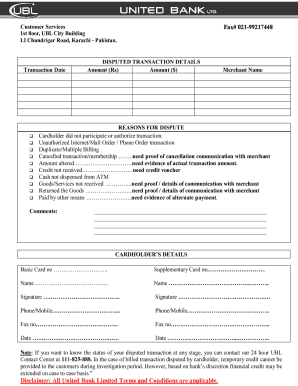
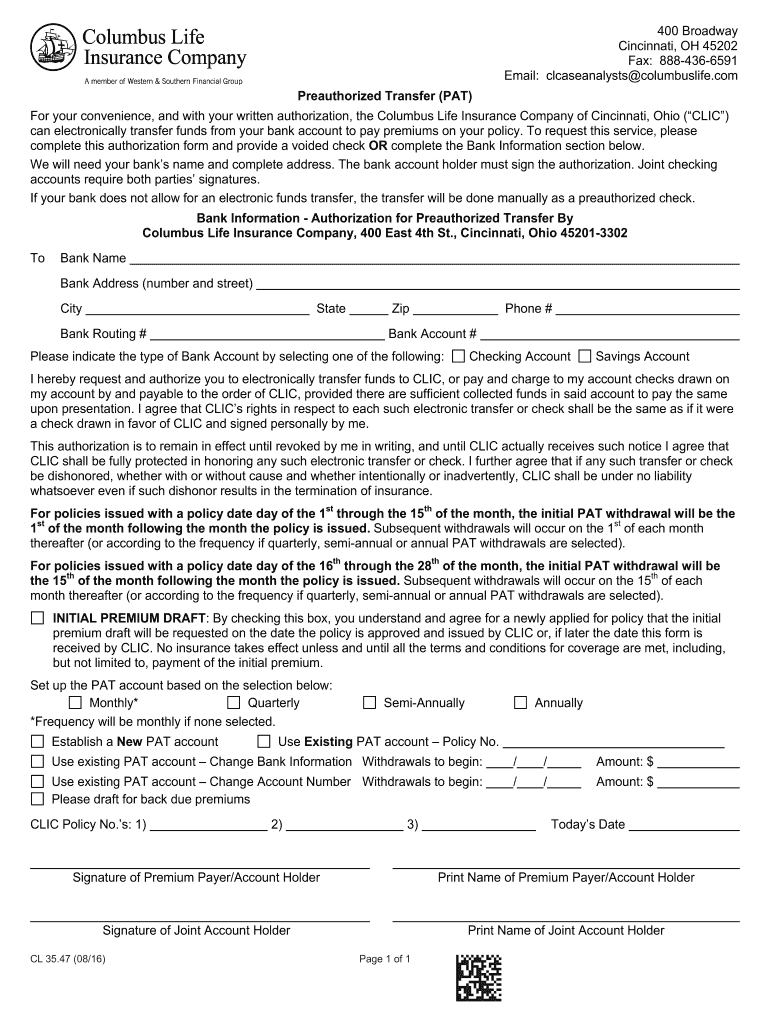
A fax number, such as, serves as a crucial communication tool for businesses, acting as a dedicated line for sending and receiving documents electronically over telephone connections. This specific fax service provides a secure and efficient means to transfer sensitive information without the need for postal services.
- Utility: Fax lines are particularly beneficial for transmitting documents that require signatures or need to be accessed promptly.
- Format: Documents are sent as images over the fax line and can include text, signatures, and graphics.
Utilizing the Fax:
To effectively use the fax number, follow these steps to ensure that your documents are delivered accurately and securely.
- Prepare Your Document: Ensure your document is clear and legible. This includes adjusting brightness for notes or signatures.
- Access a Fax Machine or Online Service: You can send a fax using a traditional fax machine or an online fax service.
- Enter the Fax Number: Input the number into the fax machine or online interface.
- Transmit the Document: Press "Send" to initiate the document transmission. Confirmation receipts can verify transmission success.
Steps to Complete the Fax:
Completing the faxing process effectively involves the following detailed steps:
- Document Preparation: Assemble all necessary pages, ensuring they are properly aligned.
- Cover Sheet: Optionally include a cover sheet with details such as the recipient’s name or department.
- Fax Machine Settings: Adjust settings such as resolution based on the document content.
- Confirmation: Wait for a confirmation page which verifies the document was sent and received correctly.
Who Typically Uses the Fax:
The use of fax numbers is widespread across various industries due to their secure document transmission capabilities:
- Healthcare Providers: They frequently use fax for sending patient records and insurance forms.
- Legal Firms: Legal documents often require fax transmission for signature validation and archiving.
- Government Agencies: Instances requiring official paperwork often necessitate faxing due to the need for non-digital copies.


Legal Use of the Fax:
The use of fax services is governed by various legal guidelines to ensure the confidentiality and authenticity of transmitted documents.
- Compliance: Adhering to regulations such as HIPAA in healthcare for patient privacy.
- Validation: Legal binding of documents including contracts signed and sent over fax.
Important Terms Related to Fax:
Understanding key terms related to fax services is important for effective use:
- Resolution: Determines the quality and clarity of the fax image.
- Transmission Confirmation: A receipt or report verifying the successful delivery.
- Encryption: Methods used to protect fax data during transmission, ensuring data privacy.
Examples of Using Fax:
- Scenario 1: A business sends a signed contract to a partner company to finalize a deal, utilizing fax as a reliable method.
- Scenario 2: A law office transmits court documentation ensuring authenticity via fax, adhering to legally observed transmission standards.
Form Submission Methods: Online vs. Fax
Different submission methods can be employed depending on document type and urgency:
- Online Services: Use digital platforms for quick and seamless transmission—ideal for documents not requiring physical signatures.
- Traditional Faxing: Preferred for sensitive documents where hard copies are necessary for archival or validation.