




01. Edit your form online
Type text, add images, blackout confidential details, add comments, highlights and more.

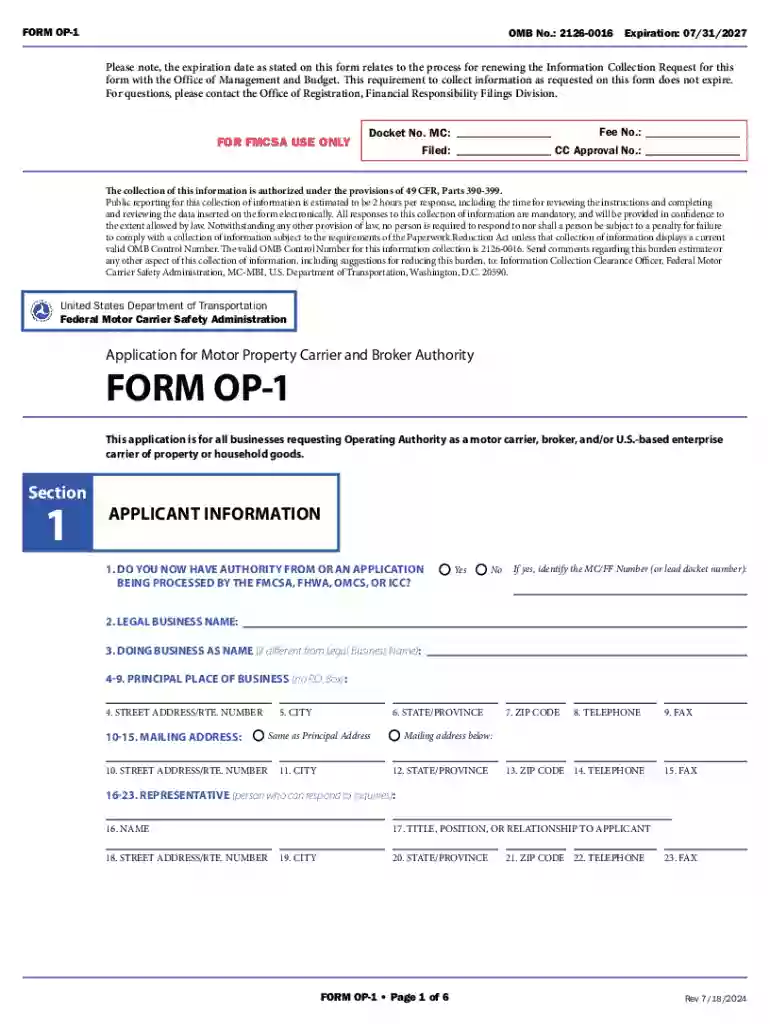
Type text, add images, blackout confidential details, add comments, highlights and more.

Draw your signature, type it, upload its image, or use your mobile device as a signature pad.

Send it via email, link, or fax. You can also download it, export it or print it out.
The "Ten Thousand Commandments" serves as an in-depth analytical report that examines the scope and impact of federal regulations on various sectors. This comprehensive document delves into the financial burden regulations impose on both businesses and individuals, providing a detailed overview of the landscape of governmental rules and their implications. Originating as a critique of the overwhelming number of federal regulations, its name reflects the seemingly infinite number of commandments businesses must adhere to for compliance. Primarily recognized within policy analysis circles, it offers insights into how these directives shape economic dynamics across the nation.
The "Ten Thousand Commandments" offers valuable insights for policymakers, business leaders, and legal experts who seek to understand the complexities of federal regulations. Users can employ this document to forecast economic trends, assess compliance costs, or justify regulatory reforms. By providing data and case studies, it serves as a resource for developing strategies that optimize regulatory compliance while minimizing expenses. Educators and advocates also find it useful for raising awareness about regulatory impacts, as it can drive discussions on legislative processes and economic policies.
Completing your understanding of the "Ten Thousand Commandments" involves several methodical steps. Start by acquiring the latest version of the report from a reliable policy organization's website. Thoroughly read and analyze its sections, focusing on key sectors relevant to your interests. Use the report's data and examples to cross-reference with your own findings or business operations. Participate in policy seminars or roundtables to discuss insights and interpretations with peers. These collaborative engagements foster a deeper comprehension of regulatory impacts, aiding in strategic planning and decision-making processes.
Referencing the "Ten Thousand Commandments" is crucial for informed decision-making in regulatory environments. It's a seminal tool for those seeking to evaluate the cost-effectiveness of current and proposed regulations. Advocacy groups utilize its findings to lobby for market-friendly policies that strike a balance between necessary oversight and economic freedom. Additionally, legislators and analysts use it to assess the effectiveness of the regulatory apparatus and identify areas for policy improvement. For academics, it provides a rich dataset for research on the correlation between regulatory activities and economic performance.
The "Ten Thousand Commandments" is predominantly used by policymakers, legal experts, and regulatory analysts. It's an essential document for government officials involved in drafting or revising legislation, as well as for compliance officers within corporations. Academic researchers and students studying law, political science, or economics frequently refer to this document for its comprehensive analysis of regulatory trends and impacts. Additionally, advocacy groups utilize it to support campaigns for regulatory reform, demonstrating the document's broad applicability across diverse professional fields.


Legally, the "Ten Thousand Commandments" informs debates and discussions around regulatory legislation. While it is not a legally binding document, it provides empirical data and analyses that influence legal arguments concerning regulation and compliance. It serves as evidence in policy deliberations, aiding legal experts in crafting arguments that highlight the cost-benefit dynamics of specific regulations. Lawyers and lobbyists often cite its findings during legislative hearings or public consultations to advocate for or against proposed regulatory changes, making it an invaluable resource for legal professionals engaged in policy work.
At its core, the "Ten Thousand Commandments" comprises several key elements that contribute to its depth and utility. It presents a detailed inventory of current federal regulations, categorized by sector and impact. The report includes an analysis of the financial implications of these regulations on businesses and consumers. It features case studies illustrating how specific rules affect industry innovation and competitiveness. Additionally, it provides a historical perspective on regulatory trends, offering context for current discussions on regulation. This robust framework makes it a critical tool for comprehending the regulatory environment.
Numerous organizations have effectively leveraged insights from the "Ten Thousand Commandments" to achieve their objectives. For instance, a trade association might use the report to quantify the economic burden of regulations on its industry and advocate for policy adjustments. An academic researcher could employ its case studies to publish a comprehensive analysis on regulatory costs and business innovation. Furthermore, a startup might analyze the report to navigate the regulatory landscape effectively, ensuring compliance while optimizing operational efficiency. These diverse applications highlight its versatility and value across different contexts.
Though the "Ten Thousand Commandments" is publicly available and can be accessed by anyone interested in regulatory analysis, specific expertise may be required to fully leverage its contents. Those with backgrounds in economics, law, or public policy are best positioned to interpret its data and insights. Organizations seeking to implement strategies based on its findings often involve compliance officers or consultants specializing in regulatory affairs. Ultimately, while the document itself is open to all, maximizing its utility typically demands a specialized understanding of policy analysis and regulatory frameworks.

Understanding how to efficiently utilize the "Ten Thousand Commandments" involves an informal application process, primarily centered on integrating its insights into your regulatory strategy. Begin by identifying key areas of your business or research that may be influenced by federal regulations. Allocate time to review relevant sections of the report thoroughly. Coordinate with internal teams or external consultants to implement changes informed by the document's findings. The approval time for any strategic changes derived from the report will vary based on organizational complexity and the scope of regulatory adjustments needed.
We've got more versions of the Ten Thousand Commandments form. Select the right Ten Thousand Commandments version from the list and start editing it straight away!
At DocHub, your data security is our priority. We follow HIPAA, SOC2, GDPR, and other standards, so you can work on your documents with confidence.
Ten thousand commandments : a story of the antitrust laws. Book x, 214 p. ; 21 cm. See availability. Description. Responsibility: Harold Fleming. Language
Apr 30, 2025 Ten Thousand Commandmentshighlights the staggering impact of federal regulations on the economy. regulations has an annual impact of at least
Jan 8, 2026 The Ten Commandments are the commandments of God, spoken directly by God and inscribed on stone tablets by His own hand.Read more


