






Definition and Purpose of the Louisiana Department of Transportation and Developments
The Louisiana Department of Transportation and Developments (LADOTD) serves as the state's authority for overseeing various transportation initiatives, including planning, constructing, and maintaining roads, bridges, and other transportation infrastructure. The department is crucial in enhancing the safety and efficiency of transportation systems across Louisiana. It is also responsible for setting regulations and protocols to ensure compliance with federal and state transportation standards.
How to Use the Louisiana Department of Transportation and Developments
Understanding how to effectively navigate and utilize the resources provided by LADOTD can help individuals and organizations achieve compliance and streamline transportation-related activities. LADOTD offers a range of services, from permitting and project approvals to road maintenance and infrastructure development. Users can access guidelines, applications, and real-time information on road conditions through their official platform, enhancing their ability to plan and execute transportation-related endeavors efficiently.
- Permits and Applications: Access permits for road usage, construction, and special events.
- Road Conditions: Real-time updates on closures, maintenance, and traffic conditions.
Steps to Complete Necessary Forms
Completing forms for LADOTD involves several steps that ensure accuracy and compliance with state regulations. Here, we outline the general procedural steps:
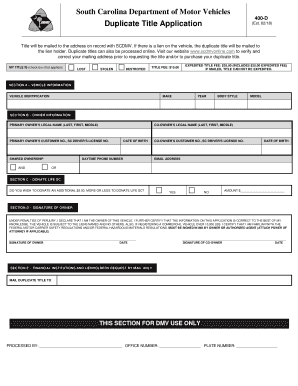
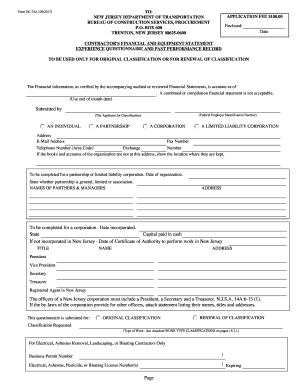
- Identify the Required Form: Determine which specific form or application is relevant to your needs, such as construction permits or transportation planning licenses.
- Gather Necessary Information: Compile all required documentation and data, including project details, personal identification, or organization information.
- Complete the Form: Accurately fill out the form, ensuring all sections are completed and signatures are obtained where necessary.
- Review Submission Guidelines: Follow the specified method for submission, whether online, by mail, or in person.
- Submit the Form: Turn in your completed form according to LADOTD's guidelines and wait for acknowledgment or approval notifications.
Key Elements of the Louisiana Department of Transportation and Developments
Several critical elements define the structure and functionality of LADOTD:
- Infrastructure Development: Focuses on the enhancement of roads, bridges, and other transit systems.
- Safety Regulations: Encompasses guidelines to ensure the safety of all transportation modes.
- Public Engagement: Includes public meetings and feedback opportunities on transportation projects.
- Accessibility Services: Offers resources and support for individuals with disabilities.
Legal Use and Compliance
Users of LADOTD services must align with legal frameworks and regulatory requirements to ensure compliance:
- Regulations: Understand state-specific transportation laws and federal mandates.
- Application of Laws: Ensure that all transportation activities follow legal standards, including environmental regulations and zoning laws.
State-Specific Rules and Guidelines
Louisiana has unique regulations and procedures that differentiate it from other states, impacting transportation and infrastructure processes. Important state-specific rules include:
- Environmental Compliance: Processes follow Louisiana's strict environmental guidelines.
- State Funding Requirements: Projects may require adhering to specific state funding provisions and allocations.
Examples of LADOTD Applications
Several scenarios exemplify the use of LADOTD resources:
- Bridge Construction: Contractors seeking to build a new bridge must obtain the necessary permits and adhere to LADOTD design standards.
- Traffic Modification: Local governments requesting road alterations must submit detailed proposals for review and approval.
Who Typically Uses the Louisiana Department of Transportation and Developments
A wide range of stakeholders relies on LADOTD for their services:
- Construction Firms: Require approval for infrastructure projects.
- Municipalities: Seek guidance and assistance with transit planning and development.
- Citizens: Interested in road conditions and safety regulations.


Required Documents for LADOTD Engagements
Engaging with LADOTD often necessitates comprehensive documentation to support various processes:
- Identification: Includes government ID, business licenses, or tax IDs.
- Project Plans: Detailed layouts, blueprints, or strategic plans for proposed developments.
- Environmental Assessments: Reports evaluating the impact of prospective projects.
Submission Methods for Forms and Applications
LADOTD provides diverse methods for submitting necessary forms and applications, ensuring accessibility:
- Online Submission: Efficient for forms available electronically, leveraging platforms that support digital document handling and secure transmissions.
- Mail or In-Person: Physical documents can be submitted through traditional methods where required.
Digital vs. Paper Version
There are advantages and considerations for using digital or paper versions of LADOTD forms:
- Digital: Convenient and quick, allowing real-time tracking and electronic confirmation of submissions.
- Paper: Essential in cases where digital access is limited or for specific documentation requiring original signatures.
Software Compatibility and Integration
For users leveraging technology to streamline administration, understanding software compatibility is essential:
- Supported Software: Use with tools like DocHub for editing and signing documents.
- Integration: Compatibility with cloud services like Google Drive allows for seamless storage and sharing.
Application Process and Approval Timeline
For specific applications, the approval process and expected timeline with LADOTD are critical to managing expectations:
- Review Period: Understand that different types of applications might have varying review timelines, influenced by complexity and regulatory requirements.
- Notification of Approval: Await official notification from LADOTD, which will detail next steps or requested amendments.