Definition and Meaning of Online Forms
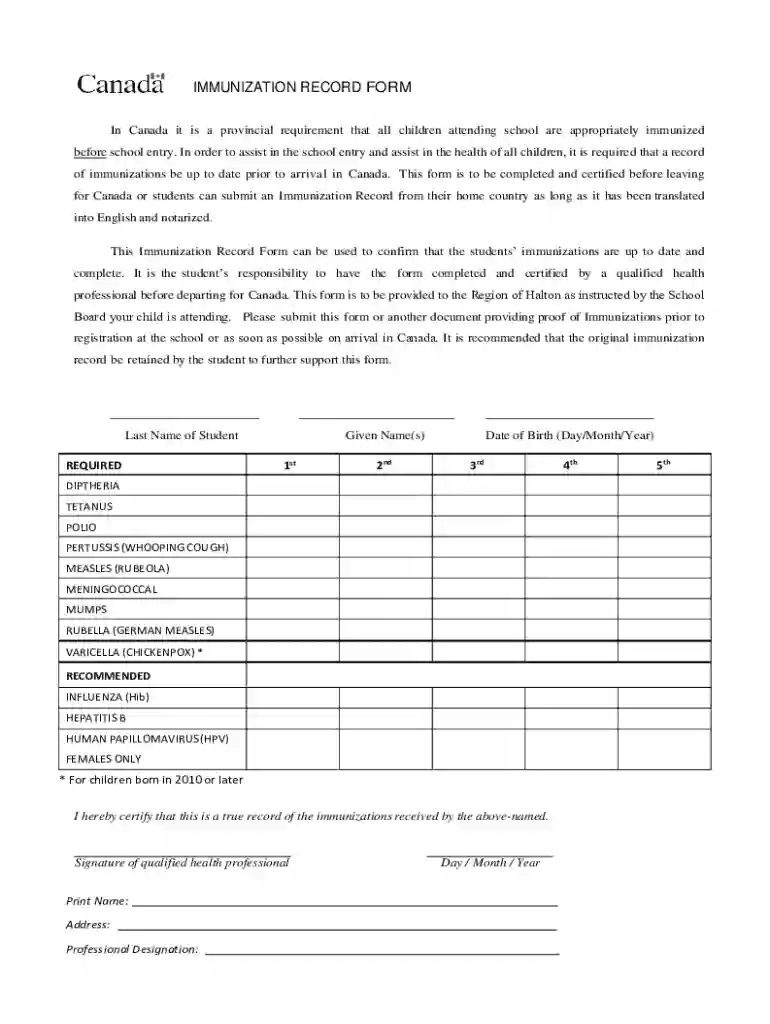
Online forms are digital versions of traditional paper forms, allowing users to complete and submit information electronically. They serve a variety of purposes, including gathering contact details, processing applications, conducting surveys, and collecting payments. Online forms enhance efficiency by automating data collection and eliminating the need for physical document handling. Users can access these forms via web browsers and complete them using any device with internet connectivity.
Key Elements of Online Forms
- Text Fields: Allow users to input text information, such as names or addresses.
- Checkboxes and Radio Buttons: Enable selections from predefined options, ensuring data consistency.
- Dropdown Menus: Offer a list of choices for users to select from, streamlining the selection process.
- Signature Fields: Facilitate the inclusion of electronic signatures, providing legal validation.
- Date Pickers: Simplify date input with calendar interfaces.
- File Uploads: Allow users to attach supporting documents or images as part of the submission.
How to Use Online Forms
Online forms can be found on various websites, often embedded in a page or linked as a separate document. To use an online form, follow these steps:
- Locate the Form: Access the website hosting the form and find the section or page where the form is presented.
- Read Instructions: Carefully review any accompanying instructions to understand the information required.
- Fill in Information: Enter data in the required fields, ensuring accuracy and completeness.
- Review Details: Before submitting, recheck all entries for errors or omissions.
- Submit the Form: Click the submit button to send the form electronically. A confirmation message or email typically follows to indicate successful submission.
How to Obtain an Online Form
Obtaining an online form typically involves visiting the website of the organization or agency that issues or requires the form. Here are common methods to access online forms:
- Official Websites: Organizations' official websites usually have a dedicated section for forms or resources.
- Email Requests: Some entities allow you to request forms via email, providing a direct link or attachment.
- Customer Service: Contact the organization's customer service for guidance on where to find and how to access the form online.
Steps to Complete the Online Form
Completing an online form involves several steps aimed at ensuring the accurate submission of necessary information:
- Gather Required Documents: Before filling out the form, assemble any needed documents or information to prevent disruption.
- Fill Out Required Fields: Start by completing mandatory fields, as these are essential for form submission.
- Specify Optional Information: Provide optional details where applicable to enhance the form's comprehensiveness.
- Attach Files: If the form requires documentation, upload the necessary files in the specified formats.
- Review All Entries: Double-check to confirm that all information is accurate and that required fields are not left blank.
- Submit the Form: Once verified, proceed to submit the form. Look for a confirmation message that indicates receipt.
Why Should You Use Forms Online?
Utilizing online forms offers several advantages:
- Efficiency: Reduces processing time by enabling immediate data submission and review.
- Convenience: Accessible from anywhere with internet access, eliminating geographical or time-zone barriers.
- Accuracy: Minimizes data entry errors through form validations and predefined options.
- Eco-Friendly: Reduces paper usage and physical storage needs.
- Integration: Easily integrates with other digital systems for seamless data management and analysis.
Who Typically Uses Online Forms?
Online forms are versatile tools used by:
- Businesses: For customer feedback, order processing, and internal HR functions.
- Educational Institutions: Gathering student information and processing admissions.
- Government Agencies: Conducting surveys, registrations, and offering services.
- Nonprofit Organizations: Collecting donations and volunteer applications.
- Healthcare Providers: Patient registration and appointment scheduling.
Important Legal Terms Related to Online Forms
Several legal aspects underpin the usage of online forms, ensuring they meet compliance and security standards:
- ESIGN Act: Provides legal validation for electronic signatures, ensuring they hold the same weight as handwritten signatures.
- GDPR: Shapes data privacy practices, requiring clear consent for data collection and processing in applicable jurisdictions.
- HIPAA: Guides the handling of confidential health information online, ensuring privacy protection.
Legal Use of Online Forms
For online forms to hold legal weight, they must meet certain criteria:
- Data Protection Compliance: Forms must adhere to data privacy laws, such as GDPR and CCPA, to protect user information.
- Electronic Signature Legitimacy: When signatures are required, electronic methods must comply with laws like the ESIGN Act to ensure enforceability.
- Accessibility Standards: Forms should be accessible to all potential users, including those with disabilities, via compliance with laws like the Americans with Disabilities Act (ADA).