




01. Edit your form online
Type text, add images, blackout confidential details, add comments, highlights and more.

Type text, add images, blackout confidential details, add comments, highlights and more.

Draw your signature, type it, upload its image, or use your mobile device as a signature pad.

Send it via email, link, or fax. You can also download it, export it or print it out.
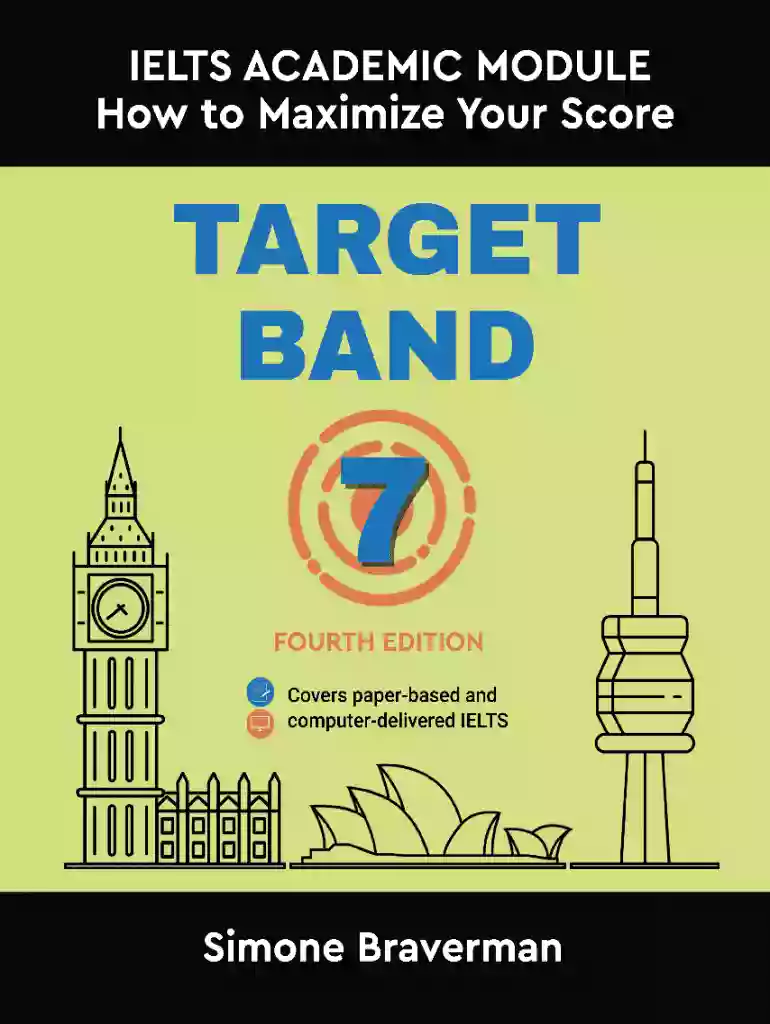
The term "Target Band 7" often refers to the objective of achieving a band score of seven on the IELTS Academic Module. This benchmark is commonly set by educational institutions and employers in English-speaking countries to assess the proficiency of non-native English speakers. Achieving a band score of seven indicates a good level of English, demonstrating that the individual is capable of understanding complex language and can effectively operate in various settings. The concept of "Target Band 7" also implies strategic preparation to reach this score, involving focused study on the test’s four key sections: Listening, Reading, Writing, and Speaking.
IELTS band scores range from one to nine, with higher scores representing a stronger command of the English language. A band score of seven is often required for admission to graduate programs or for professional registration in fields such as healthcare and engineering. The score suggests that the individual is a good user of English and can handle detailed reasoning and complex structures. Institutions that require a Target Band 7 typically trust that applicants with such scores will have the language skills necessary to succeed in an academic or professional environment.
Achieving a Target Band 7 in the IELTS involves several strategic steps, which include understanding the test format, mastering each section, and consistent practice.
Understand the IELTS Format: Familiarize yourself with the test structure, which includes four sections—Listening, Reading, Writing, and Speaking. Each section tests different aspects of English and uses various question types.
Focus on Practice: Use practice tests to gauge your understanding and to become comfortable with the test conditions. This also includes improving time management skills, as each section of the IELTS is timed.
Sharpen Language Skills: Regularly engage in activities that enhance your English skills, such as reading English literature, listening to English news broadcasts, and speaking with native English speakers.
Use Targeted Strategies: Employ techniques specific to each section. For example, skimming and scanning are effective for the Reading section, while outlining and planning is crucial for the Writing section.
Review and Feedback: After practice sessions, review your answers and identify areas that need improvement. Participating in an IELTS preparation course can also provide valuable feedback.
Numerous resources are available to help aspirants reach Target Band 7. These include official IELTS preparation books, online courses, and workshops. Taking advantage of these resources can offer guided practice and insights into the types of questions commonly found on the test.
Understanding specific terminology related to Target Band 7 is crucial for effective preparation.
Band Descriptors: These are detailed guidelines provided by IELTS that describe the level of performance required for each band score. Familiarizing yourself with these can help tailor your study approach.
Listening Section: Assesses your ability to understand spoken English in various contexts. You will listen to recordings and answer questions accordingly.
Reading Section: Tests your ability to read and comprehend texts, identifying main ideas, specific details, and implied meanings.
Writing Section: Evaluates your ability to express ideas in written English. You will be tasked with creating responses to prompts, requiring both analytical and creative writing skills.
Speaking Section: Measures your spoken English skills through an interview format. You'll be assessed on fluency, vocabulary, grammar, and pronunciation.
For instance, when preparing for the Listening section, understanding the term "distractor" can prevent common errors. Distractors are incorrect answer choices designed to mislead if the listener isn’t paying attention.
Using Target Band 7 as a goal involves integrating it into your study plan and daily routine. Target Band 7 should serve as both a benchmark and a motivation tool to guide your preparation activities.
Set Intermediate Goals: Break down the path to Target Band 7 into smaller, manageable milestones such as improving a specific band score in the Writing section by half a point within a month.
Routine Development: Allocate regular study times during the week to focus on different sections of the test. Consistency is key to making gradual improvements.
Leverage Technology: Use apps and online platforms for learning, which may provide practice tests, flashcards, and vocabulary-building exercises tailored towards achieving high scores on the IELTS.
Consider Mr. Smith, an engineering graduate who needs a Target Band 7 to qualify for a job in the U.S. His approach includes attending an IELTS Bootcamp and using practice exams to pinpoint weak areas, which are then addressed through targeted exercises.
While achieving a Target Band 7 isn't a legal requirement, it is frequently a prerequisite set by educational institutions, immigration authorities, and professional bodies.
Education: Many universities in the United States have Target Band 7 as an entry requirement for English proficiency, especially for postgraduate courses.
Immigration: Certain immigration processes may mandate IELTS scores to ensure applicants can adequately integrate into English-speaking society.
For professionals such as nurses or engineers, a Target Band 7 may be required for licensure in the U.S., as it signifies that the individual possesses adequate language skills essential for their field.
Aiming for a Target Band 7 involves understanding and focusing on the key elements that contribute to this score.
Comprehension: Reflects the ability to understand both written and spoken English.
Expression: Involves effectively conveying ideas through speech and writing.
Cohesion: Pertains particularly to writing and speaking, where ideas must be logically connected.
Accuracy: Encompasses grammar, punctuation, and vocabulary—using language precisely is essential.
When preparing, pay extra attention to these elements. Enhancements in comprehension can come from engaging in diverse reading materials, while expression can be improved through practice essays and speaking sessions.
Anyone can take the IELTS to achieve Target Band 7; however, its relevance is typically tied to specific contexts, such as academic enrollment or professional certification.


Students: Those applying for higher education courses where English is the medium of instruction may need a Target Band 7.
Professionals: Individuals seeking employment opportunities in English-speaking countries often target this score to meet job requirements.
Utilizing digital tools to prepare for achieving Target Band 7 can streamline the study process.
Online Resources: Many platforms offer practice tests and exercises tailored to help you reach a Target Band 7.
IELTS Apps: Some apps can simulate test conditions and offer personalized feedback to guide your study.
By focusing on the elements and strategies described above, individuals targeting a Band 7 on the IELTS can structure their preparation effectively and increase their chances of achieving this goal.
We've got more versions of the Target Band 7 form. Select the right Target Band 7 version from the list and start editing it straight away!
At DocHub, your data security is our priority. We follow HIPAA, SOC2, GDPR, and other standards, so you can work on your documents with confidence.





by MW Cannon 1999 Cited by 2 We studied the detectability of narrow band random noise targets embedded in narrow band random noise backgrounds as a function of differences in center
Band 7 target observations with a Band 3 phase calibrator. The campaign conducted tests comparing standard In-Band phase referencing with the B2B mode using
The size of the target band is judged by DNA Marker. The correct target band is cut with a scalpel and weighed in a 1.5 mL EP tube. (7) Pre‐heat heat block to


