




01. Edit your form online
Type text, add images, blackout confidential details, add comments, highlights and more.

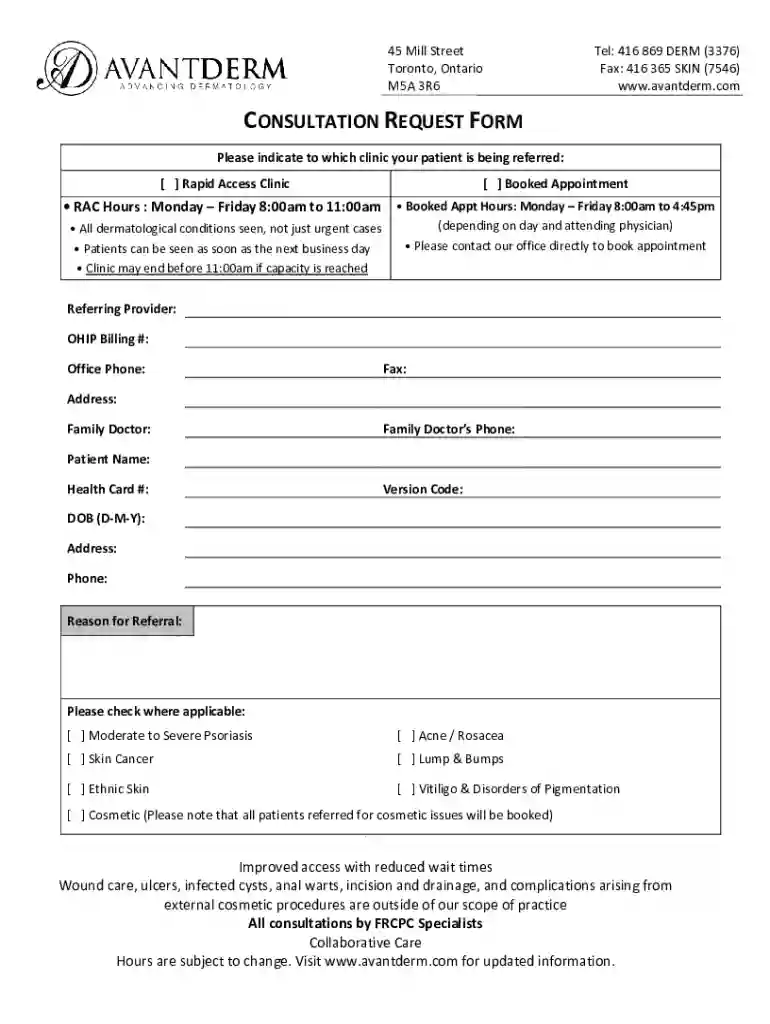
Type text, add images, blackout confidential details, add comments, highlights and more.

Draw your signature, type it, upload its image, or use your mobile device as a signature pad.

Send it via email, link, or fax. You can also download it, export it or print it out.
In the digital landscape, forms online refer to documents that users can fill out and submit over the internet. These forms can serve diverse purposes, catering to personal, corporate, and governmental needs. Examples include tax forms, registration documents, and internal business reports. Online forms eliminate the need for physical paperwork, offering convenience and efficiency. They enable real-time data collection and storage, minimizing manual errors associated with paper-based submissions.
Digital forms offer several advantages over their paper counterparts. They streamline data entry processes, reduce administrative burdens, and allow for easy updates and modifications. Moreover, online forms facilitate seamless data sharing and integration across platforms, ensuring efficient communication between systems. Businesses leverage online forms to boost customer interaction and enhance service delivery through faster processing times.
Using an online form involves several straightforward steps. These steps may vary slightly depending on the platform or software used but generally include the following:
Accessing the Form: Navigate to the website or application housing the form. This could be a governmental site for IRS forms or a specific business portal for company applications.
Filling Out the Form: Input the required information in designated fields. Pay close attention to mandatory sections marked with asterisks or bold text, as overlooking these can lead to submission errors.
Reviewing Entries: Before submitting, thoroughly review the form for accuracy. Many platforms offer a preview option, allowing users to see a final version before dispatch.
Submitting the Form: Complete the process by selecting the submit button. Ensure that you receive confirmation of submission, such as a reference number or confirmation email.
Numerous tools, such as DocHub, enhance the online form-filling experience. These platforms offer comprehensive editing features, enabling users to customize entries, insert digital signatures, and annotate documents for clarity.
Obtaining forms online is a simplified process designed to be user-friendly and readily accessible. Users typically follow these steps:
Searching for the Form: Use search engines or directly navigate to the relevant website where forms are hosted. Input precise keywords to yield accurate results.
Downloading the Form: After locating the form, download it in the desired file format, often PDF or DOC, to ensure compatibility with editing software.
Saving and Organizing: Save the form in an easily accessible folder on your device. This is particularly useful for documents that require extensive completion over time.
To enhance this process, maintain a list of regularly accessed websites or portals. Most forms from governmental institutions or business applications are updated regularly, so bookmarking relevant pages is advisable for quick access.
Forms online offer time-saving efficiencies that are particularly appealing in today's fast-paced environment. By eliminating the need for physical documents, they provide cost savings on paper and printing. Moreover, online forms facilitate instant data sharing and integration, maximizing productivity and collaboration efforts in organizational settings.
A diverse array of users benefit from online forms. These include:
For instance, in the healthcare sector, digital forms facilitate patient information collection, streamlining administrative tasks and improving accuracy in healthcare delivery.
To ensure efficiency and reliability, online forms usually include several crucial components:
Proper validation checks and prompts for incomplete fields bolster the integrity of online forms, ensuring that submissions meet set standards and criteria.
The legal framework around online forms ensures that data submissions are recognized and protected under applicable laws. Forms that require signatures often comply with electronic signature laws, like the ESIGN Act in the U.S., to validate authenticity and enforceability. This compliance underscores the legal equivalency of electronic submissions with traditional paper-based documentation.
Legal forms require stringent security measures to protect sensitive personal and financial information. Encryption and access controls are standard to prevent unauthorized access and data breaches, ensuring that user data remains confidential and protected.
Different states may have varied regulations regarding the submission and acceptance of online forms. It's essential to understand state-specific directives to ensure compliance and avoid legal discrepancies. For instance, certain tax forms may require particular documentation based on residency status or income levels.
Consulting local guidelines or seeking professional advice can aid in navigating these regional nuances, preventing unnecessary delays or penalties due to non-compliance with state laws.
Providing comprehensive information about the form online and its context ensures users are well-equipped to manage their documentation requirements effectively. The depth of coverage caters to individuals and organizations alike, highlighting the operational efficiency and legal implications of digital form use.
We've got more versions of the Consultation Request Form form. Select the right Consultation Request Form version from the list and start editing it straight away!
At DocHub, your data security is our priority. We follow HIPAA, SOC2, GDPR, and other standards, so you can work on your documents with confidence.




Current seminary patrons may use this form to request a research consultation with a librarian. These are great times to explore questions.
May 24, 2012 This article sets out the principles and practices to follow to move. Proper consultation includes: The. The request, receipt and


