Definition and Purpose of the Application for Approval to Use Spirits
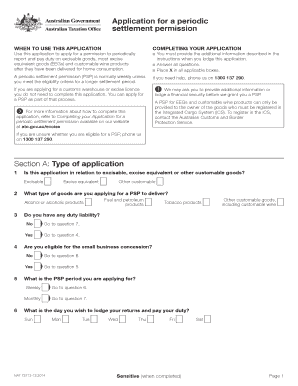
The Application for Approval to Use Spirits is a form utilized primarily by businesses and individuals seeking permission to use concessional or specific types of spirits under regulatory guidelines. This document ensures compliance with legal standards and helps track the usage of spirits for authorized purposes. Typically, these spirits might be used in industries where they serve as ingredients in products or for experimental processes.
How to Obtain the Application for Approval
To acquire the Application for Approval to Use Spirits, you may need to access specific government or regulatory agency websites responsible for the oversight of alcohol use, such as the Alcohol and Tobacco Tax and Trade Bureau (TTB). These platforms usually provide downloadable PDF forms or an online submission option. In addition, local offices may distribute physical copies of the application should the digital format not be preferred or available.
Detailed Steps to Complete the Application
-
Fill Out Personal and Business Information: Start by providing your legal name, business name, contact details, and other identifying information. This section establishes the identity of the applicant and ensures accountability.
-
Indicate the Type of Application: Clearly specify whether the application is for a new permit, renewal, or amendment of an existing permit. Each type might require different sets of information or documentation.
-
Describe Intended Use: Detail how the spirits will be utilized. Common uses may include manufacturing processes, experimentation, or specific industrial applications. This section is crucial for the assessment of your eligibility.
-
Supply Required Documentation: Include any necessary attachments such as proof of business registration, previous permits, and compliance records. Documents may differ depending on whether it’s an initial application or a renewal.
-
Review and Submit: Double-check for accuracy and completeness before submitting the form. Incomplete applications might result in delays or rejection.
Key Elements of the Application Form
- Applicant Information: Legal name, business identification, and contact details.
- Permit Type: Initial, renewal, or amendment, each requiring different information.
- Usage Description: Detailed narrative of how the spirits will be used.
- Supporting Documents: Registration proofs and previous compliance records.
Required Documents for Submission
Applicants must attach several important documents while submitting the form, including:
- Proof of identity and business registration.
- Previous approvals and compliance certificates, if applicable.
- Any legal disclaimers or tax file number declarations necessary for regulatory compliance.
Important Terms Related to the Application
- Concessional Spirits: Spirits allowed under special economic considerations or for specific uses.
- Permit Holder: An individual or entity legally authorized to use spirits under predefined conditions.
- Amendment: Changes requested for an existing permit regarding scope or terms of use.
Legal and Compliance Guidelines
An essential aspect of using the Application for Approval to Use Spirits is understanding the legal framework surrounding spirit usage. Permittees are obliged to adhere to federal, and sometimes state, regulations. The form encompasses a declaration of understanding and intent to comply with these legal provisions, ensuring that spirits are used ethically and within prescribed limits.
State-Specific Regulations and Variances
Various states may impose additional requirements or have varying guidelines related to spirit usage. It's vital to consult local authorities or legal advisors to understand specific state regulations that might influence the application process or permit conditions. Compliance might involve additional documentation or adherence to state-imposed quotas or usage patterns.
Digital vs. Paper Version Submission Options
In today’s digital age, many opt for electronic submissions due to its convenience and efficiency. The online process might include:
- Digital Form Fill-Out: Using platforms that allow editing and submission directly within a browser.
- E-Signing: Utilizing tools like DocHub for legally binding electronic signatures. However, for those preferring traditional methods, the paper version can still be submitted via mail or in-person at designated offices.
Penalties for Non-Compliance
Failing to acquire the necessary approval or misusing sanctioned spirits can result in severe legal repercussions, including:
- Fines and penalties imposed by regulatory bodies.
- Potential revocation of business licenses or permits.
- Legal action which may result in further financial or operational constraints.
Examples of Utilizing the Approved Spirits Form
Businesses across various sectors might require this form, including:
- Cosmetics: Companies using spirits for perfumery or beauty products.
- Food Processing: Industries involving spirits in food preservation or flavoring.
- Educators and Researchers: Institutions conducting scientific studies that involve spirit derivatives.
Understanding these applications ensures that entities can effectively manage their resources and stay compliant with legal standards, promoting a smooth operational workflow.