Definition and Meaning
The Student Demographics Data Sheet serves as a comprehensive form designed to collect essential information about students. This form is critical in educational settings where accurate data collection is necessary for effective administration and personalized learning approaches. By gathering details such as personal information, family background, and educational needs, the form facilitates an understanding of the student body demographics, aiding in the allocation of resources and support services.
Key Components
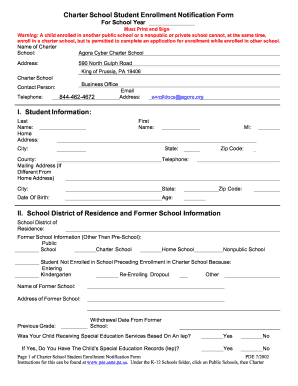
- Personal Details: Includes student's full name, sex, birthdate, and address.
- Family Background: Collects information on guardians or parents, including contact information.
- Educational Needs: Special education services and language assistance requirements are documented.
- Emergency Contacts: Lists individuals to be contacted in emergencies, ensuring student safety.
How to Use the Student Demographics Data Sheet
Utilizing the Student Demographics Data Sheet effectively requires understanding its structure and purpose. School administrators and educators use this form to assess and address diverse student needs.
Steps to Utilize the Form
- Review the Form: Ensure all sections are understood before distribution.
- Distribute to Stakeholders: Provide the form to students or guardians for completion.
- Collect and Verify Information: Gather completed forms and confirm the accuracy of the data.
- Analyze and Implement Data: Use the collated data to drive decisions in resource allocation and policy development.
Practical Application
Data from the sheet can support initiatives like targeted tutoring programs or subsidized meal plans by identifying students based on socioeconomic and educational needs.
How to Obtain the Student Demographics Data Sheet
Acquiring this form is straightforward and can involve several methods depending on the educational institution's preferred protocol.
Acquisition Methods
- Online Platforms: Many school districts offer downloadable versions from their websites.
- In-Person Request: Visit the school administration office to obtain a physical copy.
- Through Mail: Some institutions may allow requests for forms to be mailed, especially for parents with limited internet access.
Each method ensures accessibility for all stakeholders, promoting inclusive data collection efforts.
Steps to Complete the Student Demographics Data Sheet
Accurate completion is vital for the utility of the Student Demographics Data Sheet. Here’s a guide to filling out the form effectively.
Detailed Completion Process
- Read Instructions Thoroughly: Understand each section’s requirements to avoid errors.
- Fill Out Personal Information: Provide required details such as name and birthdate.
- Complete Family Background Section: Enter guardians' contact information precisely.
- Describe Educational Needs and Services: Indicate any special services required by the student.
- List Emergency Contacts: Ensure contacts are available and willing to respond in emergencies.
- Review for Accuracy: Double-check all entries before submission for completeness and correctness.
Why Should You Use the Student Demographics Data Sheet
The form offers several advantages that extend beyond basic data collection, acting as a foundational tool for educational planning and student support.
Benefits
- Informed Decision-Making: Helps schools align resources with student needs.
- Personalized Education: Facilitates tailored educational programs based on individual data.
- Compliance and Reporting: Assists in meeting local and federal educational guidelines by maintaining up-to-date records.
These benefits underscore the form's importance in fostering an inclusive and responsive educational environment.
Who Typically Uses the Student Demographics Data Sheet
The primary users of this form extend across various roles in the educational ecosystem, each benefiting from the insights it provides.


Typical Users
- School Administrators: Utilize data for strategic planning and resource allocation.
- Teachers and Educators: Access student data to customize teaching methods and materials.
- Parents and Guardians: Ensure their children’s needs are communicated and addressed.
- Counselors and Special Educators: Support students through data-informed interventions and program placements.
Key Elements of the Student Demographics Data Sheet
Understanding the critical elements of this form is essential for its efficient completion and application.
Core Elements
- Ethnicity and Language Background: Vital for cultural support and language services planning.
- Medical Information: Includes allergies or health conditions, contributing to health planning.
- Guardian Signatures: Confirms accuracy and permission to share sensitive student data.
- Academic History: Captures previous school performance, aiding in setting academic goals.
Important Considerations
- The accuracy of every detail is crucial for effective use.
- Confidential data must be handled with care, in line with privacy regulations.
Examples of Using the Student Demographics Data Sheet
Real-world applications of this form illustrate its versatility and importance in various educational scenarios.
Case Studies
- Resource Allocation: A school used demographic data to identify and support under-served populations, leading to improved academic performances.
- Emergency Preparedness: Efficiently managed emergencies by ensuring that every student’s emergency contact information was current and accessible.
- Cultural Competency Programs: Developed effective programs that address diverse cultural needs using collected ethnicity and language data.
These examples reflect the form's integral role in enhancing the education experience and supporting student success.