
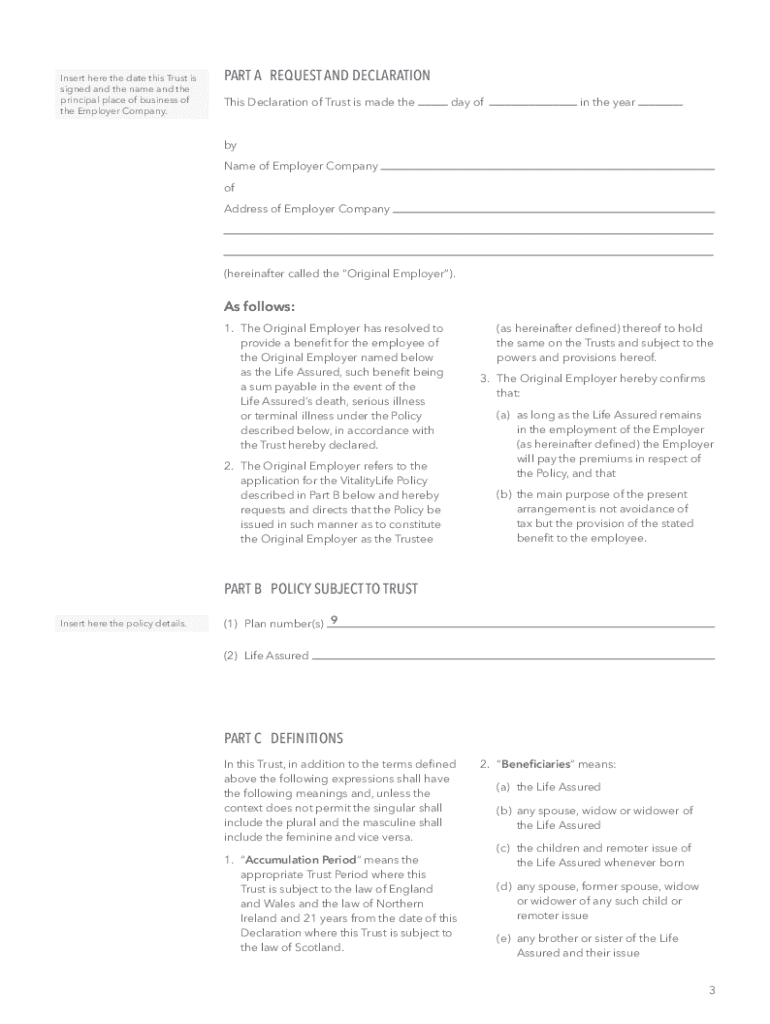







Definition and Meaning of "Form Online"
The term "form online" refers to documents that users can complete, submit, or manage via the internet rather than through traditional paper-based methods. These digital forms provide a user-friendly interface where data can be entered directly into various fields, often facilitated by a platform such as DocHub. The digital transition of forms ensures streamlined processes for both individuals and businesses, eliminating the need for physical copies and allowing for easier storage and retrieval of documents. Online forms can include everything from tax documents and applications to legal agreements and surveys, catering to a broad array of needs across different sectors.
How to Use the Form Online
Using a form online involves several straightforward steps, beginning with access to an appropriate platform like DocHub. Users can start by:
- Accessing the Form: Visit the website hosting the form or use a document management system to upload or access the specific form online.
- Filling Out the Form: Enter required data into designated fields, which might include text boxes, drop-down menus, or checkboxes, depending on the form's design.
- Review and Edit: Check for accuracy and make any necessary changes, utilizing features such as annotation tools or text editing options included within the platform.
- Save and Submit: Save the completed form and then submit it through the platform, often by clicking a "Submit" button. In some cases, a digital signature may also be required for completion.
- Track Submission: Keep a record of submission confirmations, in case follow-up or proof of submission is required.
How to Obtain the Form Online
To obtain a form online, users typically:
- Identify the Form: Determine the specific form needed for their purpose, such as a tax return form, legal contract, or application.
- Locate the Source: Access the form from official websites or document management systems that house these forms. For government forms, this might involve visiting the relevant department's website.
- Download or Open: Download the form to the computer or open it directly within a document processing application.
- Save Locally: Save the downloaded form onto a secure device to ensure access when needed for editing or submission.
Platforms like DocHub facilitate direct import from cloud services, easing the process of obtaining and managing online forms.
Steps to Complete the Form Online
Completing an online form involves the following:
- Log In: Access the platform by logging in, ensuring secure use and access to personal or sensitive information.
- Load the Form: Open the form within the editor, whether by importing from cloud storage or opening a pre-saved file.
- Input Information: Enter the required data, utilizing features like auto-fill to streamline the process if available.
- Add Annotations: Use the annotation tools to highlight important sections or add comments that might be necessary for collaborative purposes.
- Attach any Required Documents: Attach supplementary files or documentation if required for thorough completion.
- Review and Save: Conduct a final review to ensure all entries are accurate before saving the form.
Alongside offering editing tools, platforms like DocHub also support real-time collaboration, allowing multiple users to contribute to the form completion.
Why You Should Form Online
Using forms online offers several advantages:
- Convenience: Access and fill forms anywhere with internet connectivity, facilitating work on-the-go.
- Efficiency: Reduce time spent on handling physical documents, as electronic forms can often be pre-filled with personal data for speedier completion.
- Security: Protected transfer of information using encrypted connections, providing peace of mind for users concerned about the safety of their data.
- Cost-Effectiveness: Save on printing and postage costs, as all processes are managed virtually.
- Environmentally Friendly: Contribute to reducing paper consumption, supporting sustainability efforts.
Online forms like those handled by DocHub significantly enhance the user experience by offering these robust benefits.
Key Elements of the Form Online
Online forms comprise several essential components:
- Interactive Fields: Including text boxes, dropdown menus, and checkboxes for easy data entry.
- Instructional Help: Tips or examples provided alongside fields to guide users on how to fill out information correctly.
- Validation Checks: Automated checks ensuring entries meet form requirements, such as character limits or accepted formats.
- Submission Buttons: Clear options for saving and submitting the completed form, often with confirmation prompts for submission assurance.
These elements, prevalent in platforms like DocHub, are designed to improve usability and ensure that forms are completed efficiently and accurately.
Examples of Using the Form Online
Several scenarios highlight the importance of using online forms:
- Tax Filing: Individuals use forms like Form 1040 to file taxes electronically, simplifying calculations with built-in software tools.
- Employee Onboarding: New hires complete employment forms, such as W-4, via online systems, streamlining the HR process.
- Legal Agreements: Parties sign contracts or agreements digitally, eliminating the need for in-person meetings or mailed documents.
By accommodating various forms and scenarios, online platforms ensure that both individual and professional needs are met with tailored solutions.
Legal Use of the Form Online
Using forms online must adhere to legal standards, which often include:
- Compliance with the ESIGN Act: This ensures that electronic signatures and transactions are legally valid and enforceable, a necessity on platforms like DocHub.
- Data Protection: Compliance with legislations such as the General Data Protection Regulation (GDPR) and related U.S. laws ensure user data is handled with utmost privacy and security.
- Validity of Electronic Documents: Forms completed online are recognized as legitimate documents, provided they adhere to legal protocols.
Ensuring the legality of online forms ensures their acceptance across various professional and governmental entities, reinforcing the reliability of digital document management solutions.




