






Definition & Meaning
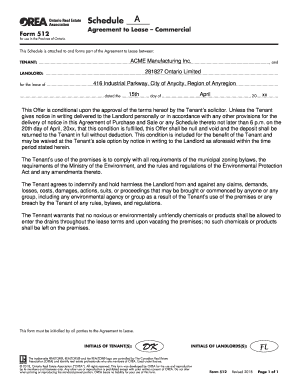
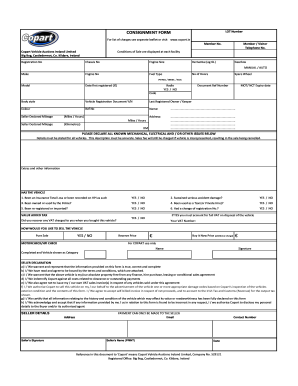
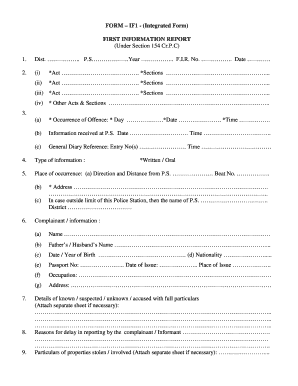
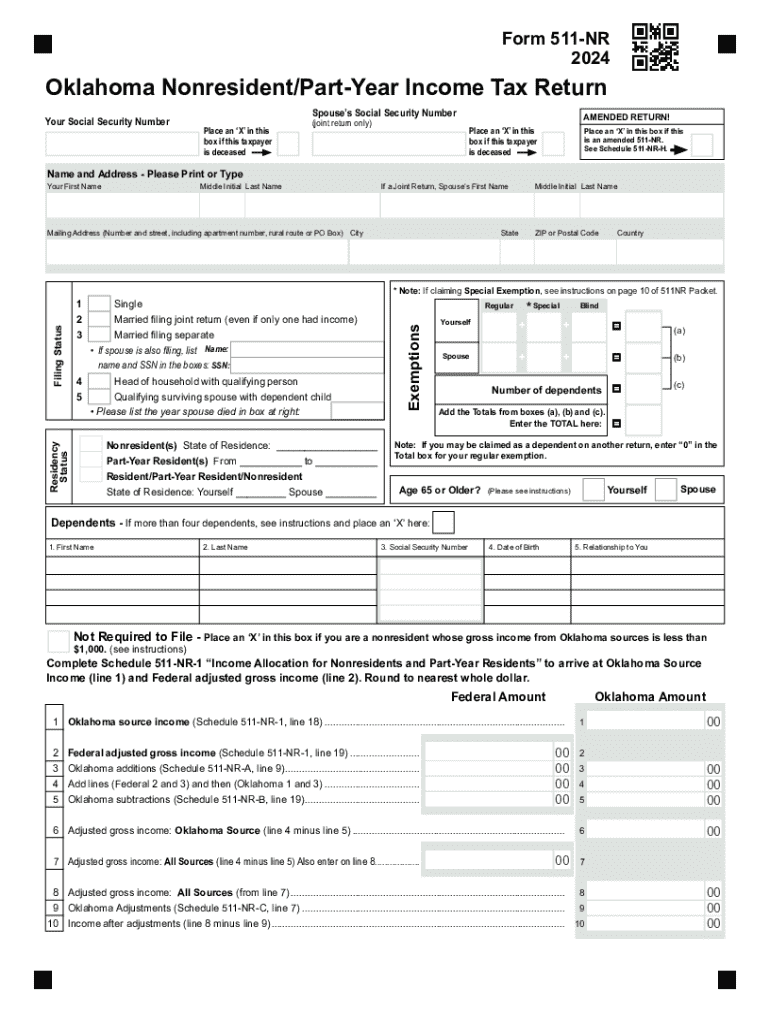
The term "form online" refers to the digital version or process of completing and submitting forms via electronic means. This format is widely utilized for a myriad of applications, such as tax filings, legal documentation, and business transactions. Unlike traditional paper forms, online forms are often interactive and can be completed more efficiently by guiding the user through necessary inputs and ensuring all required fields are filled. This process emphasizes convenience and accessibility, offering real-time validation and the ability to submit documents instantaneously. As technology advances, "form online" continues to evolve, providing secure, user-friendly interfaces for users across various domains.
How to Use the Form Online
Using a form online involves several straightforward steps that turn a potentially cumbersome process into a streamlined task. Typically, users begin by accessing the specific online platform hosting the form, such as DocHub. Once there, the system guides users to fill in necessary fields, which may include dropdown menus, text inputs, and selection boxes for any required information. The process usually involves the following steps:
- Access the Platform: Visit the website or application where the form is hosted.
- Form Selection: Choose the particular form needed from a list of available forms.
- Input Information: Type in the required data into the provided fields, ensuring all mandatory sections are completed.
- Review: Go over all the information for accuracy and completeness. Online platforms often flag missing or inconsistent information.
- Submit: Finalize the form by clicking the submit button, which typically sends it to the intended recipient or organization immediately.
Examples:
- Completing a tax return using IRS forms during tax season.
- Signing a rental agreement digitally with an online platform.
- Submitting an application for a business permit.
Steps to Complete the Form Online
Completing an online form typically involves following a structured series of steps to ensure accuracy and avoid any omissions. Below is a step-by-step guide to assist users through the process with ease:
- Identification: Confirm your identity or log in if required.
- Navigation: Use the form’s built-in navigation tools to move between sections.
- Entry: Enter your data into each field, guided by on-screen prompts.
- Verification: Utilize any provided verification tools to check entries.
- Digital Signature: Sign electronically if required using a mouse, trackpad, or touchscreen.
- Submit Confirmation: Click 'submit' and wait for an on-screen confirmation or email that details have been received.
Edge Cases:
- If connectivity issues occur, forms might save progress automatically to prevent data loss.
- For forms requiring extensive detail, save drafts regularly before submitting.
Required Documents
Various types of online forms mandate the attachment or reference to supporting documents. These add legitimacy and context to the form being submitted:
- Proof of Identity: Such as driver’s licenses, passports, or state-issued IDs.
- Financial Statements: Bank documents or tax returns, particularly relevant for fiscal forms.
- Proof of Address: Utility bills or lease agreements could be required for residency verification.
- Previous Documents: Any prior versions or iterations of the form that may inform the current submission.
Providing these documents can often be done by uploading scanned copies or direct integrations from cloud storage services, ensuring that attachments are secure and tamper-proof.
Key Elements of the Form Online
Every online form possesses critical elements that ensure its utility and functionality:
- Interactive Fields: Text boxes, checkboxes, and dropdowns that enable users to input data easily.
- Security Features: Encryption and access controls that protect sensitive information from unauthorized access.
- Validation Protocols: Rules that ensure data accuracy and completeness before submission.
- Automatic Calculations: Some forms, especially financial, incorporate calculators that adjust figures based on input.
Priority is placed on user experience, with detailed instructions and examples available within the form interface to guide users through completion.
Legal Use of the Form Online
The legal framework governing the use of online forms aligns with regulations like the ESIGN Act, which grants electronic signatures the same legal status as handwritten ones. This legitimization extends to:
- Contractual Agreements: Legally binding documents like leases or sales contracts can be executed online.
- Regulatory Filings: Compliance-based forms, including tax submissions and business registrations.
This legal acceptance encourages wider adoption, simplifying proof of agreement and recordkeeping.
Regulations:
- All parties must consent to electronic communication.
- Clear demonstration of the intent to sign electronically is required.
State-by-State Differences
Online forms can be subject to varying regulations depending on state jurisdiction, which can affect:
- Filing Deadlines: State-specific timelines may dictate when forms are due.
- Data Privacy Standards: Different states may require distinct privacy measures.
- Fees: Some states might levy extra costs for processing or submission.
Therefore, it is imperative to understand these disparities, especially when dealing with forms impacting legal or fiscal responsibilities.
Software Compatibility
Compatibility with various software suites enhances the flexibility of online forms:
- Integration with Accounting Software: Links with platforms like QuickBooks can auto-populate fields using existing financial data.
- Compatibility with Tax Software: Forms often align with programs like TurboTax to streamline year-end filing processes.
- Cloud Services: Integration allows for seamless document exchange and storage with services like Google Workspace and Dropbox.
Comprehensive integration capabilities mean minimal disruption to existing workflows and practices, making online form completion both time- and cost-efficient.